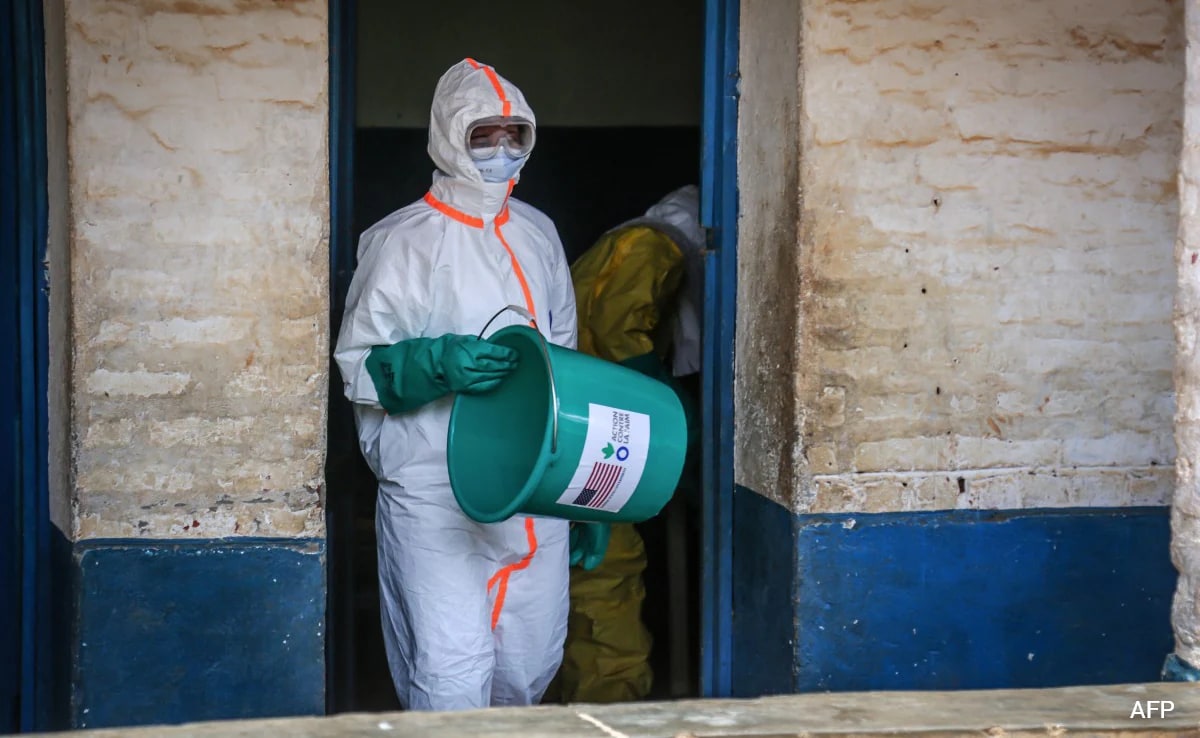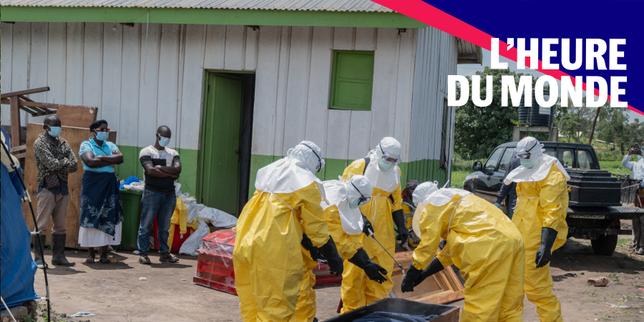
The resurgence of the Ebola virus (EBOV) is not a biological anomaly but a predictable outcome of specific ecological and systemic fractures. While public discourse often focuses on the "threat" of an outbreak, a rigorous analysis reveals that containment failure is a function of three distinct variables: zoonotic spillover frequency, the velocity of human mobility in porous border regions, and the erosion of trust in institutional health protocols. Effective intervention requires shifting from a reactive "firefighting" model to a permanent infrastructure of surveillance and biosafety.
The Mechanism of Pathogenic Persistence
The Ebola virus operates within a complex reservoir system, primarily involving Pteropodid fruit bats. Spillover events—the transmission from animals to humans—are rarely the result of a single contact point. Instead, they occur within a "pressure cooker" of ecological disruption. Deforestation and mining operations force reservoir species into closer proximity with human settlements, increasing the frequency of the initial transmission event.
The Viral Lifecycle and Cellular Invasion
EBOV belongs to the Filoviridae family, characterized by its filamentous structure. Once it enters the human host, the virus targets the mononuclear phagocytic system, including macrophages and dendritic cells. This is a strategic biological maneuver; by infecting the very cells responsible for initiating the immune response, the virus effectively blinds the host's primary defenses.
The subsequent systemic spread leads to a cytokine storm—a massive, dysregulated release of pro-inflammatory signaling molecules. This causes widespread vascular leakage and coagulopathy. The "hemorrhagic" aspect of the disease is actually a terminal symptom of total vascular collapse rather than the primary cause of death, which is typically organ failure and hypovolemic shock.
Structural Bottlenecks in Outbreak Response
The transition from a single case to an epidemic is governed by the $R_0$ (Basic Reproduction Number). For Ebola, this number typically fluctuates between 1.5 and 2.5 in unmitigated settings. However, $R_0$ is not a fixed biological constant; it is a variable heavily influenced by the "Reaction Lag"—the time between the first symptomatic case and the implementation of isolation protocols.
The Three Pillars of Containment Failure
- Information Asymmetry: In many affected regions, the delay in diagnostic confirmation creates a window of "invisible transmission." Without rapid, point-of-care molecular testing, early symptoms are frequently misidentified as malaria or typhoid, leading to standard clinical handlings that facilitate further infection of healthcare workers.
- Logistical Fragility: Cold chain maintenance is the primary constraint for vaccine deployment. The Ervebo (rVSV-ZEBOV) vaccine requires storage at temperatures between -60°C and -80°C. In equatorial regions with intermittent power and difficult terrain, this requirement creates a functional barrier that limits vaccination to urban hubs, leaving rural "hotspots" vulnerable.
- Sociocultural Friction: Traditional burial practices, which involve direct contact with the deceased, represent a high-velocity transmission route. Because viral load is highest at the moment of death, these rituals act as super-spreader events. Resistance to "safe and dignified burials" is not merely a lack of education but a rational response to perceived institutional overreach when external teams remove bodies without community engagement.
Quantifying the Cost of Delayed Intervention
The economic burden of an Ebola outbreak scales exponentially rather than linearly. We must categorize these costs into direct and indirect flows:
- Direct Costs: Expenses related to Ebola Treatment Centers (ETCs), Personal Protective Equipment (PPE), and the mobilization of specialized medical personnel.
- Indirect Costs: The suspension of routine healthcare services. During the 2014-2016 West African outbreak, deaths from malaria, HIV/AIDS, and tuberculosis increased significantly because the healthcare infrastructure was diverted entirely to Ebola or shuttered due to provider fatalities.
- Systemic Costs: The long-term loss of human capital and the disruption of regional trade. The closure of borders and the stigmatization of survivors create a "drag" on the regional GDP that persists for years after the virus is contained.
The Logic of Ring Vaccination and its Limitations
The current gold standard for stopping transmission is "Ring Vaccination." This involves identifying an infected individual (the "index case") and vaccinating all primary contacts, as well as the contacts of those contacts.
While mathematically sound, this strategy assumes 100% contact tracing accuracy. In high-density urban environments or conflict zones where populations are mobile and distrustful of authorities, the "ring" is often broken. A broken ring does not just slow down containment; it provides a false sense of security while the virus establishes new chains of transmission in unmonitored sectors.
The Reality of Post-Ebola Syndrome
We must distinguish between "clinical recovery" and "biological clearance." Data from recent outbreaks indicates that EBOV can persist in immune-privileged sites—such as the eyes, central nervous system, and testes—long after it has been cleared from the bloodstream. This persistence introduces the risk of "flare-ups" months or even years after the initial infection has passed. This necessitates a shift in the definition of an "end" to an outbreak. A region is not safe when the last patient tests negative; it is only safe when a comprehensive survivor monitoring program is integrated into the primary health system.
Strategic Shift: From Crisis Response to Resilience Engineering
The recurring nature of Ebola in Central and West Africa suggests that the "outbreak-response" cycle is a failed strategy. The focus must pivot toward building "Resilient Health Systems" that treat biosurveillance as a utility rather than an emergency measure.
- Decentralized Laboratory Networks: Reducing the time-to-diagnosis from days to hours by placing GeneXpert machines and mobile sequencing units in high-risk districts.
- Native Vaccine Capacity: Investing in regional manufacturing hubs to bypass the logistical nightmare of international shipping and extreme cold-chain requirements.
- Integrated One Health Surveillance: Monitoring viral loads in animal populations to predict spillover events before they reach the human population. This involves data sharing between environmental agencies and public health departments.
The persistence of Ebola is a symptom of a deeper failure to value preventative infrastructure in the Global South. As long as the global community treats these outbreaks as isolated incidents to be "managed" by temporary task forces, the virus will continue to find and exploit the same structural gaps. The only definitive move is the permanent hardening of local health systems, transforming them from porous networks into impenetrable barriers against zoonotic threats. Future interventions must prioritize the establishment of community-led surveillance teams that operate continuously, ensuring that the next "Patient Zero" is the only patient in the chain.