Washington bureaucrats love a clean narrative. Hand out some grant money, plant a few native saplings on 270 acres of river islands, and hold a press conference celebrating the return of pristine nature. It plays well on local news. It fits neatly into a quarterly sustainability report.
It is also an expensive exercise in wishful thinking. Don't forget to check out our previous coverage on this related article.
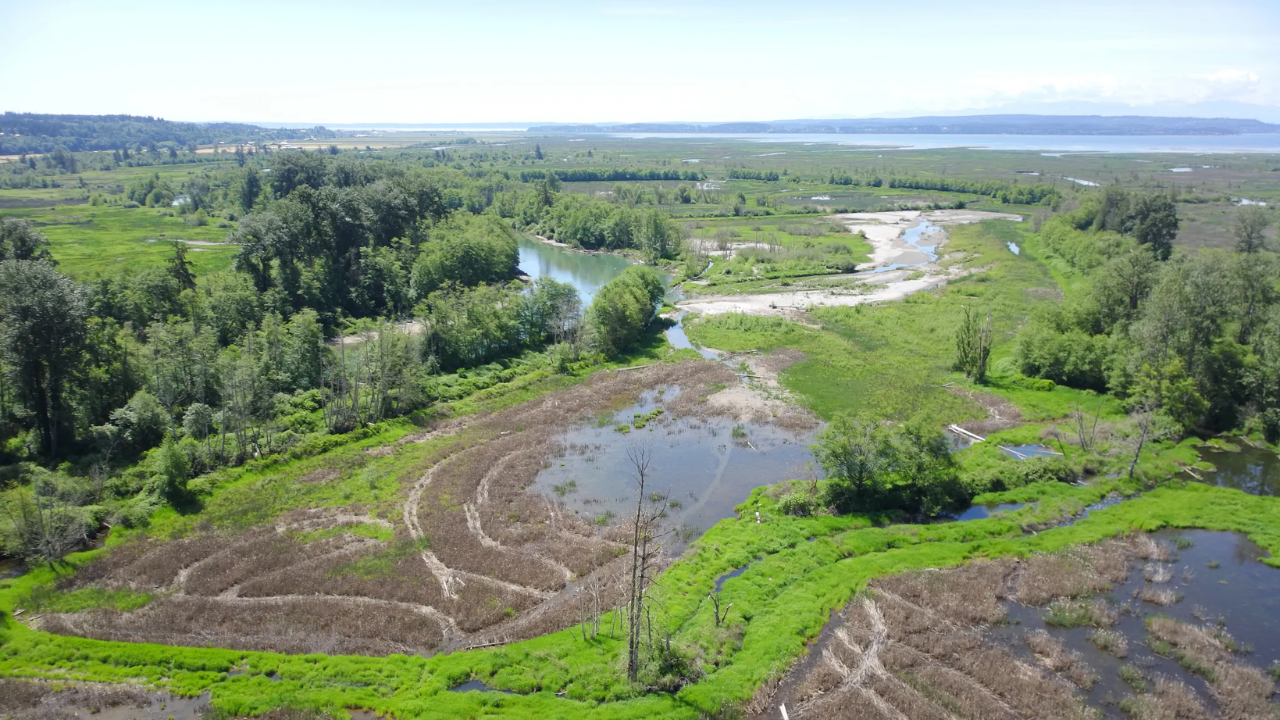
I have spent decades watching agencies throw millions at shoreline makeovers while ignoring the actual physics of regional hydrology. When the state announced its latest multi-million dollar restoration project targeting two local river islands, the consensus applauded. Everyone assumed that reshaping earth, planting reeds, and keeping humans off the dirt automatically equates to ecological health.
They are wrong. If you want more about the context here, Reuters provides an in-depth breakdown.
The Myth of the Static Eden
The lazy consensus relies on a fundamental misunderstanding of how aquatic ecosystems operate. Planners look at historical maps, find an arbitrary snapshot from two centuries ago, and decide that is the baseline state we must freeze in amber.
Nature does not care about your baseline.
Rivers are dynamic, violent, constantly shifting systems. They erode banks, rip out vegetation, choke channels with sediment, and remodel their own geography every single spring flood. When you engineer a 270-acre island project with rigid blueprints, specific plant density goals, and designated grading contours, you are not restoring nature. You are building a very expensive garden.
True ecological function is chaotic. It involves massive deadwood jams that alter currents, radical channel migrations, and organic debris loads that make urban planners panic. If a restoration project looks tidy enough to host a ribbon-cutting ceremony, it is already failing the ecosystem it claims to save.
Engineering the Wrong Variables
Let us look at the actual mechanics of what Washington is doing. The blueprints focus heavily on grading shorelines, planting specific native canopy species, and installing structural erosion controls.
This is backward.
The primary stressor on regional waterways is not a lack of hand-planted shrubbery. It is upstream flow regulation, nutrient loading from agricultural runoff, and altered thermal regimes caused by upstream dams. Planting a few acres of grass on a gravel bar while the upstream hydrograph remains artificially manipulated is like putting a band-aid on a broken femur.
Imagine a scenario where you remodel a sinking house by repainting the living room. That is what island habitat restoration looks like when decoupled from watershed-scale hydrology. You can plant every square foot of those 270 acres with pristine native flora, but the first major high-flow event will wash half of it downstream if the underlying energy dynamics of the river are broken.
We spend exorbitant sums managing symptoms because treating the cause requires political courage that bureaucrats do not possess. Tackling agricultural runoff means fighting the farm lobby. Restructuring dam releases means angering municipal water managers. Planting trees on an island? That just makes everyone feel good without stepping on any powerful toes.
The Cost of Exclusion
Another favorite tactic of modern conservation theatre is locking people out. Put up signs, restrict boat landings, fine kayakers, and declare the islands a protected sanctuary.
This assumes that human presence is inherently toxic to the environment. Historically, indigenous stewardship relied on active, dynamic interaction with these landscapes, including managed burns and selective harvesting that maintained structural diversity. Modern preservation treats humans as a contaminant rather than a component.
Worse, locking the public out of these spaces destroys the constituency required to protect them. People fight to save what they use and love. When you turn a river island into an off-limits administrative zone, you sever the psychological tether between the local population and the water. A generation grows up viewing the river as a museum exhibit behind a velvet rope rather than a living backyard.
Conservation without public connection is just land hoarding.
What Actually Works
If we want to spend public money effectively, we need to stop buying vanity projects and start focusing on high-impact interventions.
First, stop building static structures. If you are going to restore an island, your primary job is to get out of the way and let the river do the engineering. Give the river room to migrate. Reconnect side channels. Drop massive unanchored log jams into the main flow and let the current arrange them naturally. Yes, it looks messy. Yes, it defies neat engineering metrics. That is how you know it is working.
Second, tie every dollar spent on habitat to upstream water quality metrics. If the nutrient load in the river remains toxic, downstream island restoration is purely decorative. Measure success by species diversity and hydrological resilience over a decade, not by the number of saplings counted on day one.
Third, embrace active management over passive neglect. Nature preserves left entirely to themselves in fragmented modern landscapes often devolve into monocultures of invasive weeds or over-dense brush that chokes out diversity.
We do not need more pristine, postcard-ready islands designed by committee. We need brutal, honest assessments of what is actually killing our waterways, followed by the political will to fix the source instead of painting the symptoms.
Stop funding theater. Start fixing the water.