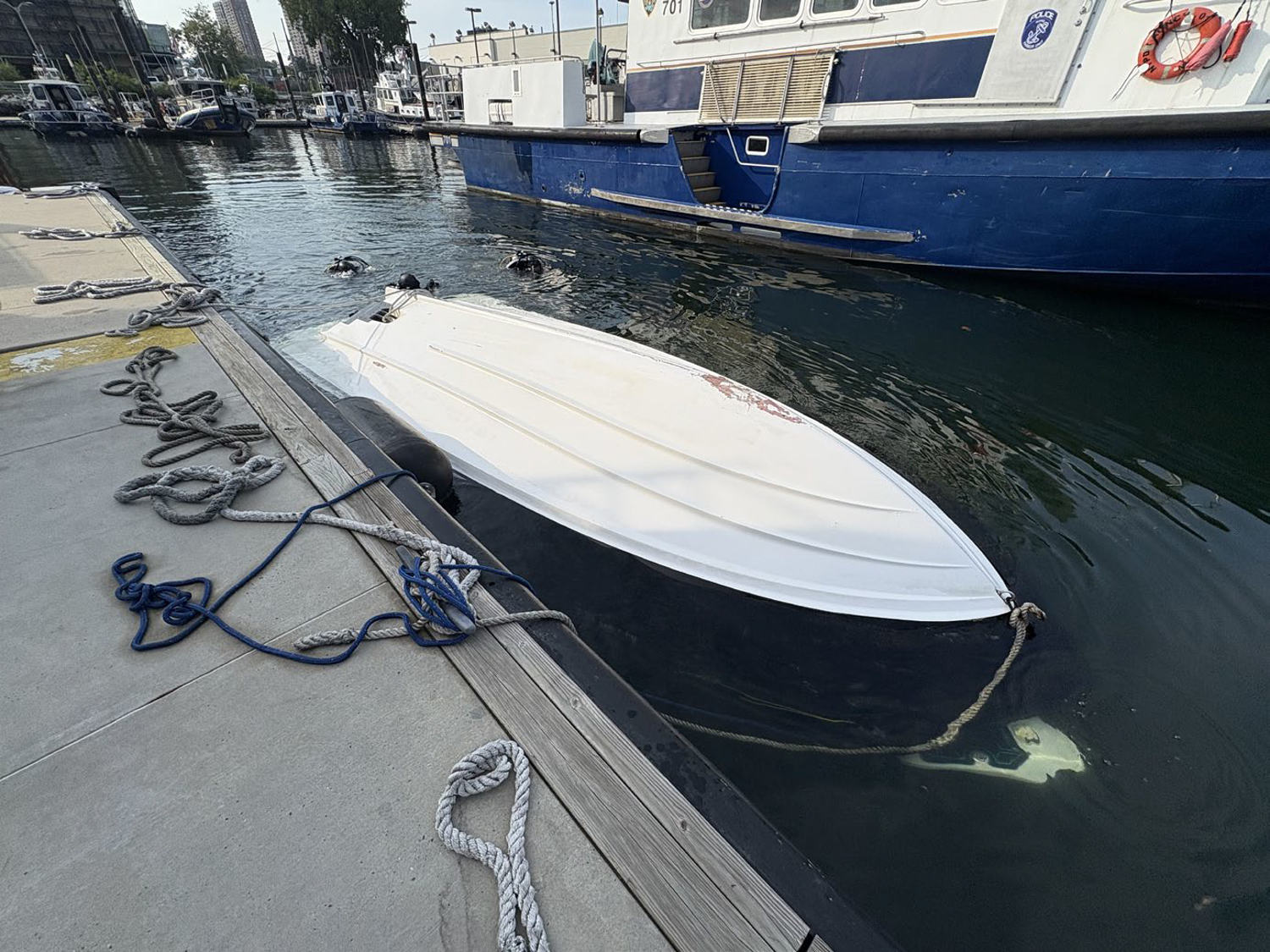
Water does not care about manifests. It does not check permits, count life jackets, or calculate the weight threshold of a fiberglass hull straining against the tide. Water only knows displacement, gravity, and the sudden, violent physics of a body refusing to stay afloat.
On a slate-gray stretch of the New York Harbor, beneath the copper gaze of a monument built to promise refuge, the harbor did what it always does. It swallowed a mistake.
The vessel was small. Too small for the crowd packed tight against its rails. A charter boat, stripped of its proper oversight, carrying human lives like cargo rather than souls. Among them was a mother. Tucked against her warmth was her baby. They had come looking for a skyline, a snapshot, a memory to take home. Instead, they found the crushing dark of the Hudson River.
When a boat capsizes, the human mind struggles to comprehend the speed of it. You think there is time. You think someone will yell instructions, throw a ring, steady the keel. But water moves like liquid glass until it hits you like a brick wall. One second, you are laughing against the salt spray. The next, the world is upside down, the air is gone, and the heavy wool of winter coats turns into lead anchors dragging you toward the silt.
We talk about marine accidents as if they are acts of God. Sudden squalls. Unforeseen mechanical failures. Bad luck. But luck is a cheap excuse we invent to cover up the far ugliness of negligence.
Consider the anatomy of a disaster. It never starts on the water. It starts weeks earlier, in the quiet compromises of an office or a dockside conversation. A captain looks at a ledger, looks at a waiting crowd of tourists eager for a cheap thrill, and does the math. Just a few more. The weather is fine. Nobody checks anyway.
Regulations written in ink are easily washed away by the tide of greed.
Federal prosecutors would later state what anyone with eyes could have guessed: the vessel was overloaded. Heavily, dangerously overloaded. The weight distribution was thrown off, turning a routine evening cruise into a floating trap. When the vessel flipped, it did not just capsize; it betrayed every unspoken contract between a passenger and the person at the helm.
When you step onto a boat, you hand over your survival. You assume the person holding the wheel respects the immense, unforgiving power of the ocean. You assume they know the limits of their vessel. You assume they value your breath as much as their own profit.
That trust was shattered in the churning wake.
The captain survived. That is the bitter pill that sticks in the throat of anyone who reads the charge sheet. The man steering the helm walked away, coughing up river water, while a mother and her child were pulled from the depths with silence locked in their lungs. Now comes the legal reckoning. Indictments. Charges of misconduct and negligence leading to death. The legal system will parse statutes, weigh witness testimony, and argue over maritime code.
Lawyers will stand in air-conditioned courtrooms and debate proximate cause.
They will use dry, sterile language to describe a catastrophe. Gross negligence. Improper manning. Fatal omissions.
None of those words capture the sound of a stroller sinking into the mud. None of them measure the empty space left behind at a family dinner table two states away. We sanitize tragedy with terminology because if we had to look directly at the raw horror of preventable death, our hearts would break too completely to function.
We have built a culture that worships hustle and treats safety regulations as mere suggestions. We cut corners because the market rewards speed and punishes caution. But the harbor does not care about your profit margin. The river does not negotiate.
Every time a rule is bent to accommodate a bigger paycheck, a invisible line is crossed. On that New York harbor night, that line was crossed over and over again until the boat could bear no more weight.
Justice in these cases is a clumsy, lagging thing. It arrives months late, wearing a black robe, offering sentences that can never match the permanence of a closed casket. But accountability is all we have left to offer the ghosts.
The Statue of Liberty stands a few hundred yards away from where the tragedy unfolded, holding her torch high against the salt wind. Her metal face is frozen in an eternal, impassive gaze. For generations, she has looked out over ships bearing the desperate, the hopeful, and the weary. She has watched nations rise and fall across the skyline.
She must be so tired of watching us drown each other for lack of care.
The sirens have long since faded from the piers. The flashing lights of the Coast Guard cutters have vanished into the dark. The news cycle will churn forward, chewing up this story and spitting out the next outrage, until the next boat tips over and we act surprised all over again.
But the water remembers. It remembers the weight of the mother. It remembers the sudden chill of the current. And it waits for the next time we decide that rules are made to be broken.