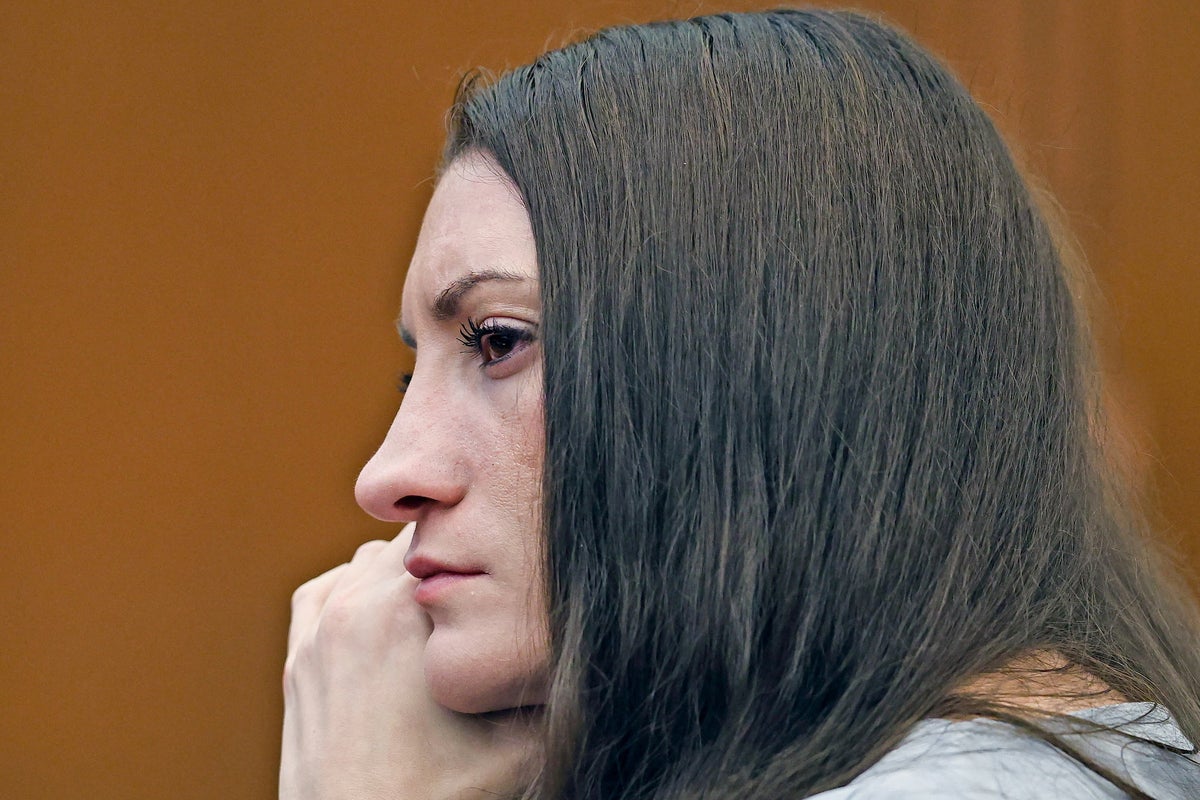
The courtroom air in Plymouth County felt different on a Friday that carried the accumulated weight of months. Outside, the New England wind rattled the old glass panes, a cold reminder of the world moving forward while this room remained suspended in a brutal winter of the mind. Inside, twelve jurors sat with their shoulders rounded, the invisible burden of human judgment pressing down on every breath. They had spent days reviewing medical records, listening to conflicting psychiatric testimonies, and reliving the unthinkable events of a January evening that shattered a Duxbury neighborhood. Now, the verdict was imminent.
We talk about the law as a machine of cold logic, a system of statutes, precedents, and legal thresholds designed to fit human catastrophe into tidy categories of guilt and innocence. But anyone who has ever sat on a jury knows the truth. The law is managed by human hands, shaking slightly as they turn the pages of jury instructions. It is anchored in empathy, fear, and the desperate human need to make sense of the senseless.
Consider what happens when a mind breaks so completely that the person standing inside the wreckage no longer recognizes their own reflection.
In January 2023, Lindsay Clancy’s world imploded. To the outside observer, her life possessed the tidy markers of modern suburban stability: a nursing career, three young children—Cora, Dawson, and the baby, Callan—and a home in a quiet coastal town. Yet beneath that polished surface, a silent storm was raging. Medical files later revealed a descent into severe postpartum depression and postpartum psychosis, conditions that shadow motherhood with a terrifying, unmoored darkness. Weeks of intense psychiatric treatment, medication adjustments, and mounting distress preceded the tragedy.
When the prosecution and defense finally rested their cases, the trial hinged not on the physical acts themselves—which were undisputed—but on the invisible landscape of intent and cognitive capacity. The legal standard for not guilty by reason of insanity in Massachusetts is rigorous. It demands proof that a mental disease or defect completely stripped a person of their substantial capacity to appreciate the wrongfulness of their conduct or to conform their conduct to the requirements of the law.
Proving what happened inside a fractured mind is like trying to map a hurricane from inside a paper boat.
The courtroom became a battleground of medical interpretations. Prosecutors argued that the planning involved—the brief window of time, the actions taken—demonstrated lucidity and deliberate choice. They pointed to the moments before the tragedy as evidence of a calculated mind. They asked the jury to look at the physical reality of the devastation and hold accountable the person whose hands caused it.
Yet the defense presented a starkly contrasting narrative, anchored in the agonizing testimony of experts who detailed the ravages of postpartum psychosis. This was not malice, they argued, but a catastrophic medical emergency. Imagine a brain under siege by auditory hallucinations, terrifying delusions, and a profound, paralyzing conviction that death was the only escape for children a mother believed she could no longer protect from an imagined doom. When psychosis takes hold, reality bends until the unthinkable feels like mercy.
The jury’s task on that Friday was to reconcile these two irreconcilable truths. How do you judge an act born of complete detachment from reality using the tools of a rational society?
For days, the deliberations stretched on. Every hour that ticked by in the jury room amplified the tension outside. Reporters huddled in the corridors. Sympathizers and critics alike waited behind police barricades. The public wanted a clean narrative. We crave villains and heroes because nuance is exhausting, and acknowledging the fragility of human mental health is terrifying. If a dedicated nurse and mother can experience a mental collapse this total, it forces us to confront our own vulnerability. It shatters the comforting illusion that we are entirely in control of our own minds.
Silence.
That is what lingers most when the gavel finally falls and the verdict is read. Whether a court finds guilt or insanity, the underlying tragedy remains untouched by the legal outcome. No verdict can rebuild the nursery. No legal definition can restore the breath to three children whose lives ended before they truly began. No sentence or institutional commitment can heal the fractured reality left behind for the family members forced to navigate the ash.
We look to the justice system to provide closure, as if closure were an object that could be handed across a polished wooden bench. But true closure is often an illusion. What we got instead was a collective reckoning.
The trial forced a reluctant public conversation about the dark, unmentionable side of reproductive mental health. For generations, society has wrapped motherhood in a sanitized pastel glow, erasing the raw, harrowing struggles that accompany the hormonal and psychological upheaval of childbirth. When we refuse to speak openly about postpartum psychosis, we leave mothers to fight invisible demons in terrifying isolation. We create a culture of shame where admitting you are drowning feels more dangerous than drowning itself.
As the jurors filed out of the Plymouth County courtroom, their faces drawn and exhausted, they left behind a precedent that extends far beyond the legal textbooks. They left a reminder that justice requires us to look into the darkest corners of human suffering without turning away.
The wind still rattles the glass in Duxbury. The seasons turn. But the shadow of that winter remains, a haunting testament to the fragile boundary between the mind we trust and the stranger it can become.