Justice isn't a theater production, yet the media treats the upcoming Harvey Weinstein retrial in Manhattan like a Broadway revival. The consensus is lazy. Most observers frame this as a simple redo—a chance for the prosecution to fix their previous procedural errors or a second chance at a "win" for the #MeToo movement. This perspective is fundamentally broken. It ignores the structural reality of how the American legal system actually functions when the cameras are off.
The retrial isn't about moral vindication. It is a clinical autopsy of a botched conviction. When the New York Court of Appeals overturned the 2020 verdict, they didn't do it to be "soft on crime." They did it because the prosecution got greedy. They traded long-term legal stability for short-term emotional satisfaction, and now the entire system has to pay the bill. You might also find this related story insightful: The Nuclear Football Myth and the Bureaucratic Illusion of Control.
The Molineux Fallacy and the Death of Due Process
The "lazy consensus" suggests that more witnesses equals a stronger case. In the first trial, prosecutors used "Molineux" witnesses—women whose allegations were not part of the actual charges—to establish a pattern of behavior. The appeals court ruled this was a bridge too far.
In a standard courtroom, you are tried for the crimes listed on the indictment, not for being a generally "bad person." By flooding the jury with testimony about uncharged acts, the prosecution effectively poisoned the well. They didn't prove the specific crimes beyond a reasonable doubt; they proved Weinstein was a predator in a general sense and hoped the jury wouldn't care about the distinction. As extensively documented in latest articles by Al Jazeera, the effects are significant.
This is a dangerous precedent. If we allow "bad character" to substitute for specific evidence of a specific act, the entire concept of a fair trial evaporates. You cannot claim to support the rule of law while cheering when the rules are bent to catch a villain. If the rules don't apply to the people we hate, they don't exist at all.
The Burden of Memory in a Decade-Old Case
We need to talk about the physical impossibility of a "clean" retrial in 2026. The events in question date back decades. Human memory is not a hard drive; it is a narrative that shifts every time it is accessed.
By the time these witnesses take the stand again, their stories have been told to investigators, grand juries, media outlets, and in the first trial. They have been rehearsed, challenged, and reinforced by years of public discourse. Scientifically speaking, the "pure" memory of the events no longer exists. What the jury hears now is a polished version of a version.
The defense doesn't even need to prove the witnesses are lying. They only need to show the natural degradation of detail that occurs over twenty years. In a high-stakes retrial, "I don't recall" is a more powerful weapon for the defense than a direct contradiction.
The Ghost of #MeToo is a Terrible Prosecutor
The cultural climate has shifted since 2020. The initial trial took place at the fever pitch of a global reckoning. Today, we are in the era of "reckoning fatigue." Jurors are no longer walking into the room with the same visceral urgency they had six years ago.
The prosecution is betting that the brand name "Weinstein" still carries enough weight to carry a conviction. That is a massive tactical error. In a retrial, the novelty is gone. The shock value of the testimony has been neutralized by years of headlines. Without the emotional surge of the movement’s peak, the prosecution is left with nothing but the bare bones of their evidence—which, as the appeals court pointed out, was legally shaky to begin with.
Why the Prosecution Might Actually Lose This Time
People assume a retrial is a dress rehearsal where you get to fix your mistakes. It’s actually the opposite. The defense now has a complete transcript of everything the prosecution's witnesses said the first time around.
Every hesitation, every slight inconsistency, and every change in tone from the first trial is now a weapon for the defense. If a witness changes a single "was" to a "might have been," the defense will hammer that nail until the floorboards come up. Weinstein’s legal team isn't looking for a "not guilty" because they've proven innocence; they are looking for the "reasonable doubt" hidden in the margins of a six-year-old transcript.
The High Cost of Symbolic Victories
The Manhattan District Attorney is under immense pressure to secure a second conviction. But at what cost? If the prosecution doubles down on the same aggressive tactics that got the first verdict tossed, they risk a second reversal or, worse, an outright acquittal.
An acquittal would be a catastrophic blow to the legacy of the victims, far worse than if the retrial had never happened. By pushing for a "win" at any cost, the state is gambling with the very credibility they claim to be defending.
We have turned the courtroom into a site for social catharsis. That is not what it is for. The court is a machine for testing evidence against the law. When you try to make it do something else—like heal a culture or set a moral example—the machine breaks.
The Myth of the "Unbiased" Jury
Let’s dismantle the idea that an impartial jury can be found in Manhattan for this case. Every person in that jury pool has an opinion on Harvey Weinstein. They’ve seen the documentaries. They’ve read the books. They’ve seen the photos of him using a walker in 2020.
The jury selection process isn't finding people who are "neutral"; it's finding people who are the best at pretending they can ignore everything they already know. This creates a jury composed of people who are either disconnected from reality or exceptionally good at compartmentalizing—neither of which guarantees a fair application of the law.
The Real Winner is the Billable Hour
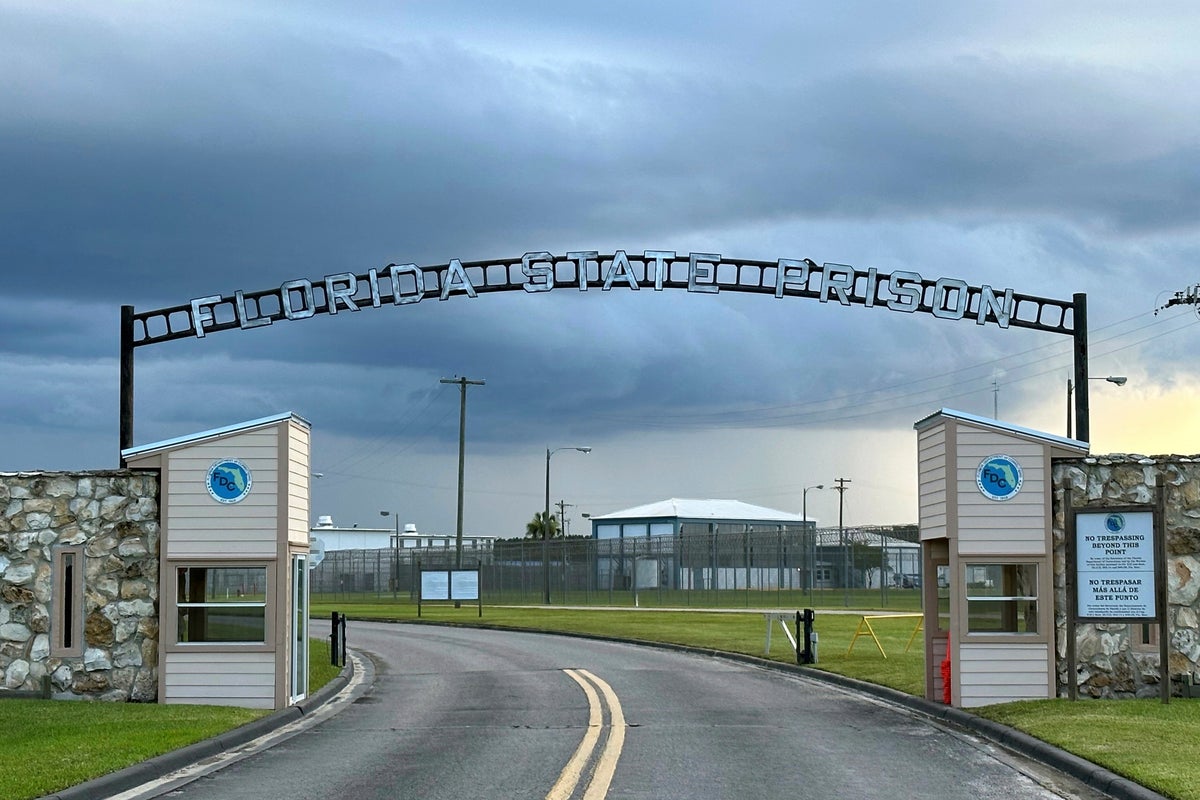
While the public waits for a moral "conclusion," the only certain outcome is the massive drain on public resources. We are spending millions of taxpayer dollars to re-litigate a case against a man who is already serving a 16-year sentence in California.
Even if Weinstein is acquitted in New York, he likely dies in a California prison. The New York retrial is, in many ways, a performance for the sake of the office's reputation. It is an exercise in institutional ego.
Stop Asking if He's Guilty
The question the public keeps asking is: "Did he do it?"
That is the wrong question for a retrial.
The only question that matters in a courtroom is: "Did the state prove he did it according to the strict rules of evidence and the constitutional rights of the accused?"
If the answer is "no" because the rules were ignored, then the conviction must fail. That is the price of living in a society with a functioning legal system. We don't protect the rights of the accused because we like them; we protect them because those rights are the only thing standing between any citizen and the unchecked power of the state.
The media wants a story of redemption or a story of a villain finally getting his due. The reality is much colder. This is a story of a system trying to fix a self-inflicted wound while pretending the bandage isn't soaked in blood.
Don't look for justice in the opening statements. Look for the cracks in the foundation. They’ve been there since the first witness spoke in 2020, and no amount of legal maneuvering can fill them now.
The prosecution isn't just fighting Harvey Weinstein; they are fighting the ghost of their own overreach. And in a court of law, the ghost usually wins.