The phone doesn’t always ring with a scream. Sometimes, it is just a vibration on a bedside table in the middle of the night. Other times, it’s a digital ping that arrives while a crisis counselor is sipping lukewarm coffee in a room lit by the sterile hum of fluorescent bulbs.
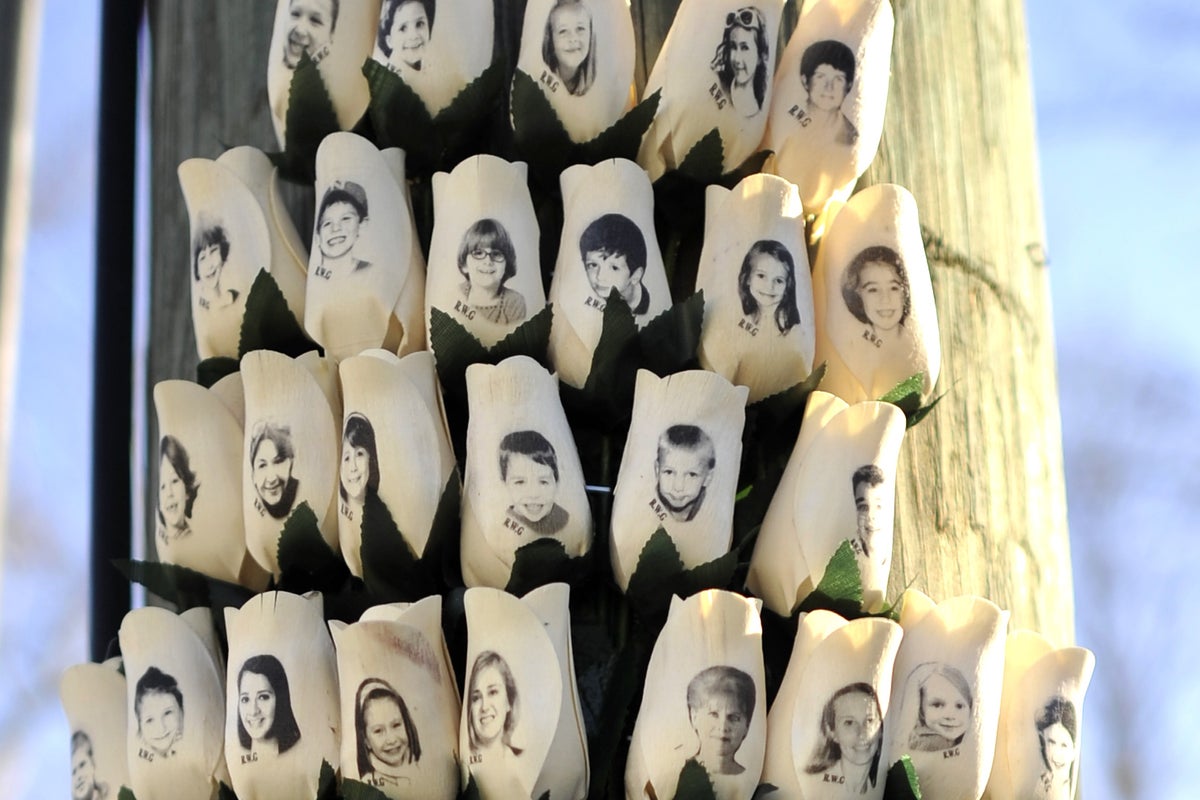
Since the doors opened on a tragedy that shattered the American psyche in 2012, a silent infrastructure has been growing beneath our feet. We often think of safety as a locked door or a metal detector. We think of it as a physical barrier. We are wrong. Safety is actually made of breath, courage, and the willingness of a teenager to type a message when their stomach is doing somersaults. You might also find this related coverage insightful: The River That Forgets to Bargain.
Nearly 400,000 times, someone has reached out.
That number represents a city the size of New Orleans. It represents a stadium filled five times over. But more accurately, it represents 400,000 moments where the darkness almost won, and then someone blinked. The Sandy Hook Promise tipline—known officially as the Say Something Anonymous Reporting System—has become the nation’s largest ear. It is the place where the secrets of the hallway go to be disarmed. As reported in detailed articles by TIME, the results are significant.
The Weight of a Secret
Imagine a girl named Maya. She isn't real, but she is the composite of a thousand reports. Maya is fifteen. She sits in the back of the bus, scrolling through a social media feed that feels more like a minefield than a playground. She sees a post from a classmate. It’s a photo of a handgun resting on a pile of laundry. The caption is short: "Everyone will be sorry tomorrow."
Maya’s heart hammers against her ribs. She feels the physical weight of that image. If she tells a teacher, she’s a snitch. If she tells her parents, they might overreact and ruin the boy's life. If she does nothing, and the "tomorrow" in that caption actually happens, she will never sleep again.
This is the impossible math we ask children to do every single day.
For decades, the "No Snitching" culture was an ironclad law of adolescence. To break it was to commit social suicide. But the architects of the anonymous tipline realized something profound: the kids usually know before the adults do. In almost every instance of school violence, someone else knew a plan was in motion. The tragedy wasn't a lack of information; it was the lack of a bridge to carry that information safely from a locker room to a police station.
The 400,000 reports filed since the program’s inception aren't just about guns. That is the misconception. Only a fraction of the data involves weapons. The vast majority of these pings are cries for help regarding suicide, self-harm, bullying, and drug use. The tipline isn't just a shield against the spectacular horror of a mass shooting; it is a net catching the quiet, individual collapses that happen in bedrooms every Tuesday night.
The Anatomy of a Response
When Maya finally taps the app and sends that screenshot, the machinery of empathy begins to grind.
It doesn't go to a bot. It doesn't get filed away in a government database to be reviewed in three to five business days. It goes to a crisis center staffed by human beings trained to tell the difference between a joke and a threat. These people sit in the "Eye of the Storm." They are the filter.
Within seconds, the report is triaged. If the threat is "life-safety"—meaning a gun is present or a suicide is imminent—the clock starts ticking. The counselor coordinates with local law enforcement and school officials.
This isn't about "getting kids in trouble." The goal is intervention, not incarceration. When the police show up at that boy’s house, they aren't always there to make an arrest. Often, they are there because the boy is in the middle of a mental health breakdown. They are there because his parents didn't know he had found the key to the gun safe. They are there to stop a funeral—his, or someone else's.
Consider the sheer scale of the preventative work. Data shows that these tips have led to the confiscation of hundreds of firearms. They have sparked thousands of mental health interventions. They have quite literally stopped the clock on suicide attempts in progress.
We tend to focus on the numbers that hit the news—the tragedies that happen. We have no way to accurately count the tragedies that didn't happen. We can’t photograph the empty hallways where a shooter never walked. We can’t interview the students who are alive today because a peer decided to be "a snitch."
The victory is invisible.
The Evolution of the Warning Sign
The world has changed since the days when a "warning sign" was a kid wearing a trench coat. Today, the signs are digital. They are coded. They are buried in Discord servers, private Instagram stories, and deleted TikToks.
This creates a massive gap in oversight. Teachers are overwhelmed. Parents are often three steps behind the latest platform. The only people with eyes on the ground are the students themselves. The 400,000 reports are proof that the "See Something, Say Something" mantra isn't just a catchy slogan; it has become a survival strategy for a generation that has grown up under the shadow of active shooter drills.
But there is a psychological cost to this vigilance.
We have turned our children into a volunteer surveillance force. That is a heavy truth to swallow. We have asked them to carry the burden of their peers' mental health because the adult systems failed to protect them. Every time a student opens that app to report a friend’s suicidal thoughts, a piece of their childhood ends. They are forced to play God, deciding whose secrets are too dangerous to keep.
Yet, when you speak to the counselors who man the lines, they describe a different feeling: relief. They hear it in the voices of the kids who call. There is a profound catharsis in handing over a secret that was too heavy to carry alone. The anonymity is the key. It removes the fear of social retaliation and allows the truth to emerge.
The Machine Behind the Mercy
The technology is sophisticated, but the core of the success is surprisingly low-tech: education.
Sandy Hook Promise doesn't just put an app on a phone and hope for the best. They go into schools. They train students to recognize the "leakage" of violent intent. They teach them that a peer who starts giving away their possessions or talking about "going away" isn't just being dramatic—they are signaling.
The uptick in reports—the climb toward that 400,000 mark—isn't necessarily a sign that the world is getting more dangerous. It’s a sign that the silence is breaking. More reports mean more trust. It means that the stigma of seeking help is slowly, painfully being dismantled by a generation that is tired of burying its friends.
We often talk about "hardening" schools. We talk about bulletproof glass and armed guards. But the most effective security system ever devised is a culture where a kid feels safe enough to say, "I’m worried about my friend."
A metal detector can't detect a broken heart. A camera can't see a plan formed in a private chat. Only a human being can do that.
The Unfinished Story
The 400,000th report will come soon. Maybe it already has.
It might be a report about a girl who hasn't eaten in three days. It might be about a boy who posted a picture of a noose. It might be about a group of kids planning something unthinkable in a high school cafeteria.
Behind every one of those digital files is a person whose life was on the line, and another person who decided that life was worth saving. We live in a time of deep division and loud noise, where it feels like we can't agree on the shape of the sky. But in the quiet space of an anonymous tipline, there is a different story being told.
It is a story of a collective effort to keep the lights on.
It is a story of 400,000 moments where someone looked at the darkness and decided to light a match. We don't see the results in the headlines. We don't see the "Success Stories" because a success story in this field is a day where nothing happens. A day where the bus comes home, the backpacks are dropped on the floor, and the dinner table is full.
The phone pings. A counselor leans forward. A teenager in a dark bedroom exhales, their thumb hovering over the "Send" button. They press it.
Somewhere, miles away, a siren doesn't have to wail. A mother doesn't have to scream. A school stays quiet, exactly the way a school is supposed to be.
The silence isn't an absence of sound. It is the sound of a system working. It is the sound of 400,000 people choosing to look out for one another in the dark.
The weight of the secret is gone. The work of healing begins.