Washington just threw a massive wrench into the fragile Middle East peace talks, and it's time to call out the strategy for what it is. It's a total deal-breaker.
Treasury Secretary Scott Bessent just ordered his team to tally up the cost of missile and drone damage in Kuwait and Bahrain. The plan? Use frozen Iranian assets to pay for the reconstruction of these Gulf allies. On paper, it sounds like poetic justice to Washington policymakers. If Iran breaks it, Iran buys it. But in the brutal arena of real-world geopolitics, this move might just ensure the three-month-old war keeps dragging on.
The timing couldn't be worse. Just twenty-four hours before this plan leaked, Mohsen Rezaei, a top military adviser to Iran's Supreme Leader Ayatollah Mojtaba Khamenei, went on CNN to draw a line in the sand. He explicitly stated that any peace agreement hinges on the United States releasing $24 billion in frozen Iranian funds. Tehran views that cash as a baseline test of American trust.
Instead of building trust, the US Treasury is looking for ways to redirect that exact money to America's Gulf partners. It's an aggressive move that completely deadlocks the indirect negotiations.
The Trillion Dollar Sticking Point
Let's look at what's actually happening behind closed doors. We aren't talking about pocket change. Economists and trackers estimate that between $100 billion and $123 billion of Iranian money sits frozen in foreign banks around the globe, choked off by decades of secondary sanctions. That represents up to a quarter of Iran's entire GDP.
Tehran's economy is bleeding from a combination of long-term sanctions and three months of direct warfare with the US and Israel. They desperately need that money back to stabilize their crashing currency and fund domestic imports. The Iranian negotiation strategy isn't complicated. They want $12 billion deposited upfront just to keep talking, with another $24 billion released during a 60-day negotiation window.
The White House sees things differently. Trump's political base would revolt if the administration handed billions of dollars to Tehran before the regime makes a single major concession on its nuclear program or regional proxies. It would look like a total surrender. By threatening to hand that money over to Kuwait and Bahrain instead, Washington is trying to build leverage. But playing chicken with a cornered regime usually backfires.
A Shaky Ceasefire Explodes in the Strait
If you want to know how this asset dispute impacts the front lines, just look at what happened over the weekend. The diplomatic standstill is already triggering direct military violence.
US forces launched heavy strikes against Iranian coastal radar installations in Goruk and on Qeshm Island. The Pentagon claimed these sites were guiding attack drones that threatened commercial shipping in the strategic Strait of Hormuz—a vital economic artery where a fifth of the world's oil traffic used to flow before this war choked it off.
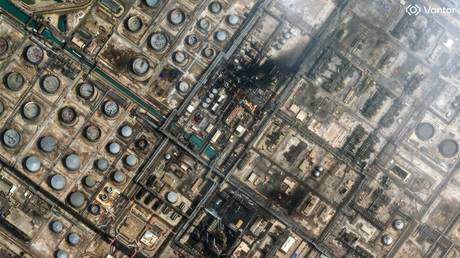
The retaliation from Iran’s Revolutionary Guard was immediate and fierce. They fired a volley of ballistic missiles targeted directly at US military bases in Kuwait and Bahrain. While Kuwaiti air defenses managed to intercept six of those missiles, a seventh slipped through and slammed into a residential area, causing widespread property damage. Sirens wailed across Bahrain as citizens scrambled for bomb shelters.
This is the exact infrastructure damage that Secretary Bessent wants Iran to pay for. It creates a toxic feedback loop. Iran attacks Gulf states because they host American bases. The US punishes Iran by seizing its frozen money to fix the damage. Iran responds by launching more missiles because its path to economic relief is being cut off.
The Pakistani Mediation Mission
While the US and Iran trade missile strikes and asset threats, regional neighbors are frantically trying to put out the fire. Pakistani Interior Minister Mohsin Naqvi just landed in Tehran. He's acting as a vital intermediary, carrying a direct, private letter to Supreme Leader Mojtaba Khamenei to salvage the April 8 ceasefire framework.
Pakistan is stuck in an impossible position, terrified of a wider regional war right on its border. Simultaneously, Lebanese military leaders are flying to Islamabad to coordinate diplomatic lifelines. Iran has made a total ceasefire in southern Lebanon between Israel and Hezbollah a non-negotiable condition for any peace deal with Washington. But Israel has zero intention of stopping its northern campaign right now.
The Oil Price Trap For Washington
There's a domestic clock ticking for the White House, too. Trump admitted to NBC News that while US operations have degraded roughly 80% of Iran's drone and missile manufacturing capabilities, Tehran still holds onto a potent arsenal. They have plenty of weapons left to keep harassing oil tankers.
That lingering threat keeps global oil prices high and gas pumps expensive for American voters. The administration is facing fierce domestic political pressure to wrap this war up. Yet, by eyeing Iranian assets for regional reconstruction, the Treasury department is pushing a diplomatic resolution further out of reach.
If you are tracking this conflict, stop looking at the map and start looking at the banks. The battlefield isn't just the sands of Qeshm Island; it's the financial ledgers in Qatar, Europe, and Washington. If the US proceeds with converting frozen accounts into a reconstruction fund for Gulf allies, expect Iran to completely walk away from the negotiating table.
Keep a close eye on the Pakistani mediation results over the coming days. If Naqvi can't convince Tehran to accept an interim deal without the immediate $24 billion payout, this shaky ceasefire will fall apart entirely, and the shipping lanes of the Middle East will head right back into the fire.