The machinery of American power operates behind heavy doors, thick glass, and layers of bureaucratic vetting designed to protect the presidency from the unknown. Yet inside the West Wing, proximity has its own gravity.
Consider the quiet hum of a high-security transport vehicle speeding away from a tarmac under sudden threat. Cabinet secretaries stay behind. Military advisors shuffle to alternative transport. But a thirty-five-year-old former cable news host named Natalie Harp is inside the vehicle.
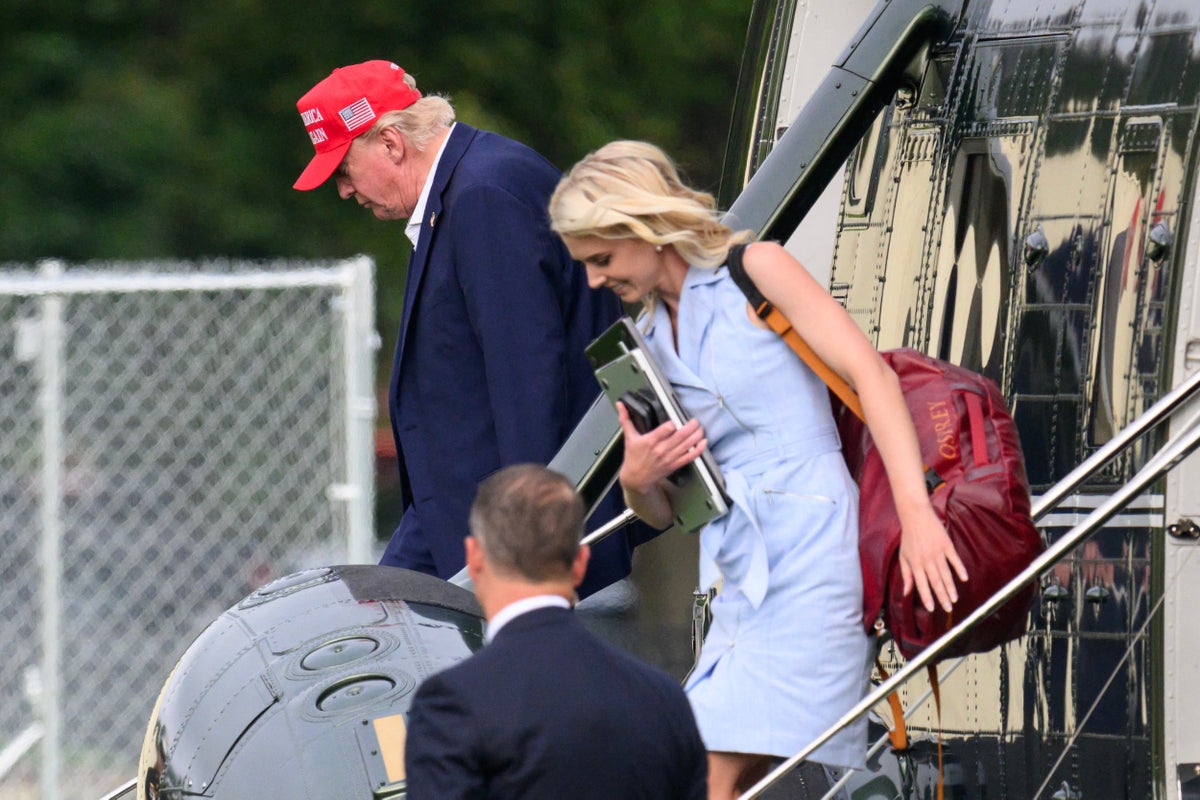
She holds no traditional policymaking portfolio. She commands no federal agency. Her primary function, honed over years of relentless digital curation, has earned her a singular moniker across political circles: the human printer. She travels alongside Donald Trump carrying a portable printer, reams of paper, and spare batteries to feed him hand-selected printouts of positive news stories, glowing social media posts, and flattering commentary between meetings.
When reports surfaced that Harp was among the select few permitted to board a secret alternative flight out of Turkey while senior staff and journalists were left behind on a decoy plane, the invisible lines of access broke into public view. This was not merely an administrative quirk. It was a structural revelation about who actually holds the ear of the commander-in-chief when crises strike.
Her journey to this inner sanctum is deeply personal. Years ago, facing a harrowing battle with bone cancer, Harp credited Trump and the federal Right to Try Act with opening doors to experimental treatments that saved her life. That profound gratitude transformed into total political devotion. She moved from hosting a show on One America News Network directly into Trump's orbit. Inside his camp, her loyalty manifested as an omnipresent shadow. She tracked him across golf courses, drafted his Truth Social posts, and slipped adoring personal letters into his private spaces, writing lines like, You are all that matters to me.
For traditional West Wing veterans, this arrangement breeds friction. Bureaucracy relies on structure, clearance levels, and institutional friction. Harp relies on absolute, unfiltered access. Lawmakers reach out to her because they know she sits directly beside the desk. When political opponents attempt to turn that extraordinary influence into a campaign liability, the administration strikes back with fierce, unyielding protection.
Power has always gravitated toward those who make the leader feel secure. In a fortress built on suspicion and constant external combat, the most valuable person in the room is not the one with the highest security clearance or the most impressive resume. It is the one holding the paper, guarding the mood, and refusing to ever leave.