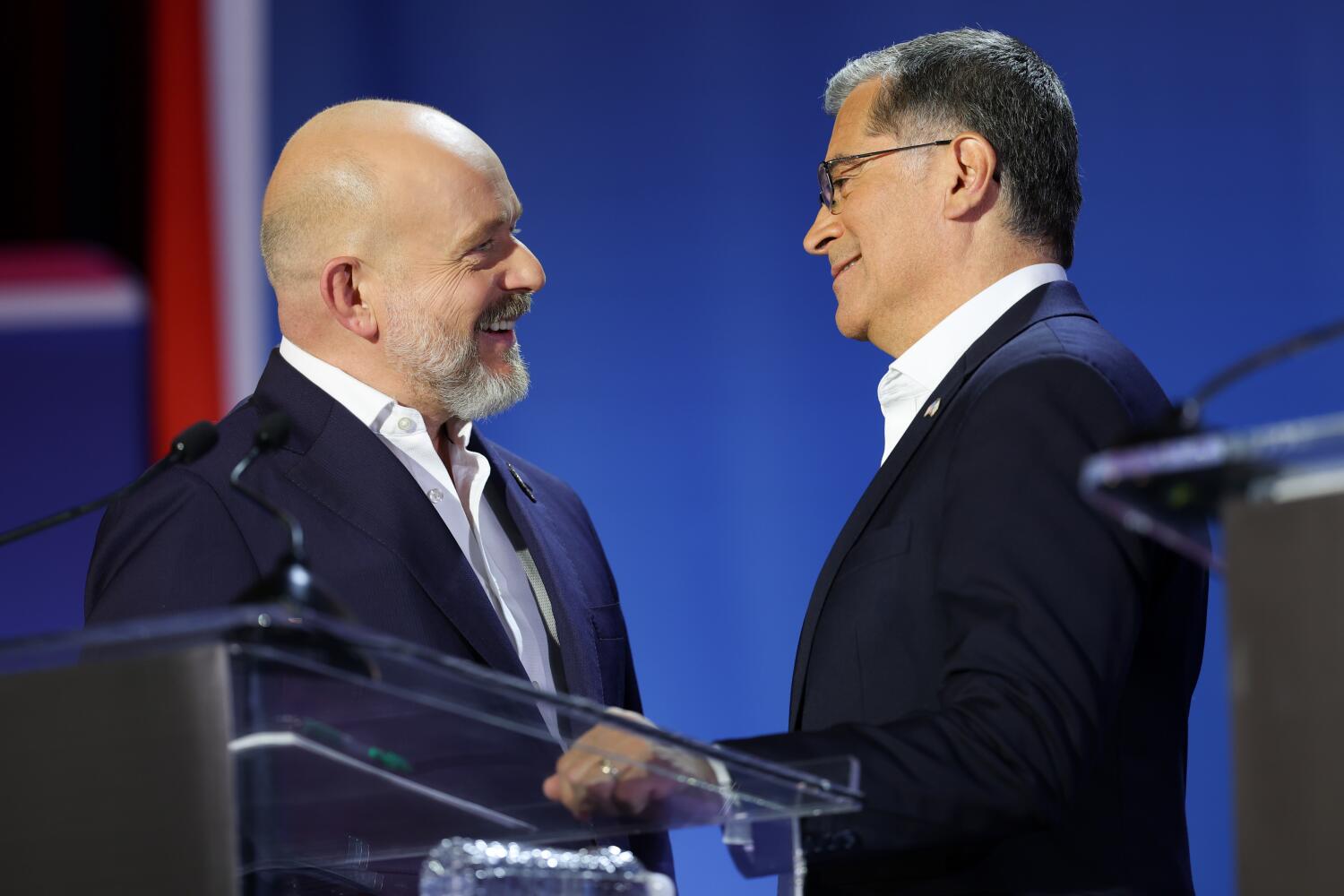
Elections in the nation's most populous state rarely lack drama, but the 2026 gubernatorial contest is shaping up to be an absolute blowout. New data from the Public Policy Institute of California puts Democrat Xavier Becerra ahead of Republican challenger Steve Hilton by a staggering 61% to 36% margin among likely voters. If you look past the standard political chatter, this wide gap tells a clear story about entrenched demographics, party loyalty, and what Californians actually want in a successor to term-limited Governor Gavin Newsom.
The Structural Reality of California Politics
You can't talk about a California statewide race without acknowledging the math. Registered Democrats vastly outnumber Republicans, giving any credible blue candidate a massive built-in advantage from day one. Becerra isn't just any candidate, though. He's a veteran politician who previously served as a U.S. Congressman, California Attorney General, and the U.S. Secretary of Health and Human Services under the Biden administration.
When voters head to the ballot box, name recognition and institutional backing carry immense weight. Hilton, a former tech executive and television host, has tried to frame himself as the ultimate outsider ready to uproot decades of single-party rule. Yet, translating anti-establishment anger into actual votes across a diverse, sprawling state is notoriously difficult. While Hilton managed to consolidate conservative support and secure backing from the Republican base, he's struggling to capture the crucial independent and moderate blocks needed to close a 25-point deficit.
What Voters Care About Right Now
Inflation, housing costs, and public safety dominate every conversation across the state. Californians are deeply frustrated by the high cost of living, with majorities reporting genuine financial strain from rising prices on everyday goods and utilities.
Becerra is leaning heavily into these economic anxieties. His campaign focuses on affordability initiatives concerning healthcare, housing, and child care. By positioning himself as a defender of working families and liberal policy protections, he keeps core voter coalitions—including younger residents, women, and Latino voters—firmly in his corner.
On the flip side, Hilton argues that thirty years of Democratic leadership created these exact economic burdens. He promises to pivot the state toward fiscal conservatism, deregulation, and a complete overhaul of state governance. While that message resonates deeply in places like the Central Valley and among registered Republicans, it hits a wall when it meets suburban moderates who remain wary of sharp ideological shifts.
Looking Ahead to November
Poll numbers months before an election aren't cast in stone, but a 25-point chasm requires a seismic shift to bridge. Hilton needs to radically expand his appeal beyond the conservative base if he wants to turn things around. Meanwhile, Becerra just needs to avoid major unforced errors and keep the focus squarely on his policy priorities.
Voters will make their final choice on November 3, 2026. Until then, expect both campaigns to pour immense resources into media blitzes targeting undecided pockets in suburban counties.
Get registered, check your local ballot deadlines, and make sure your voice counts.