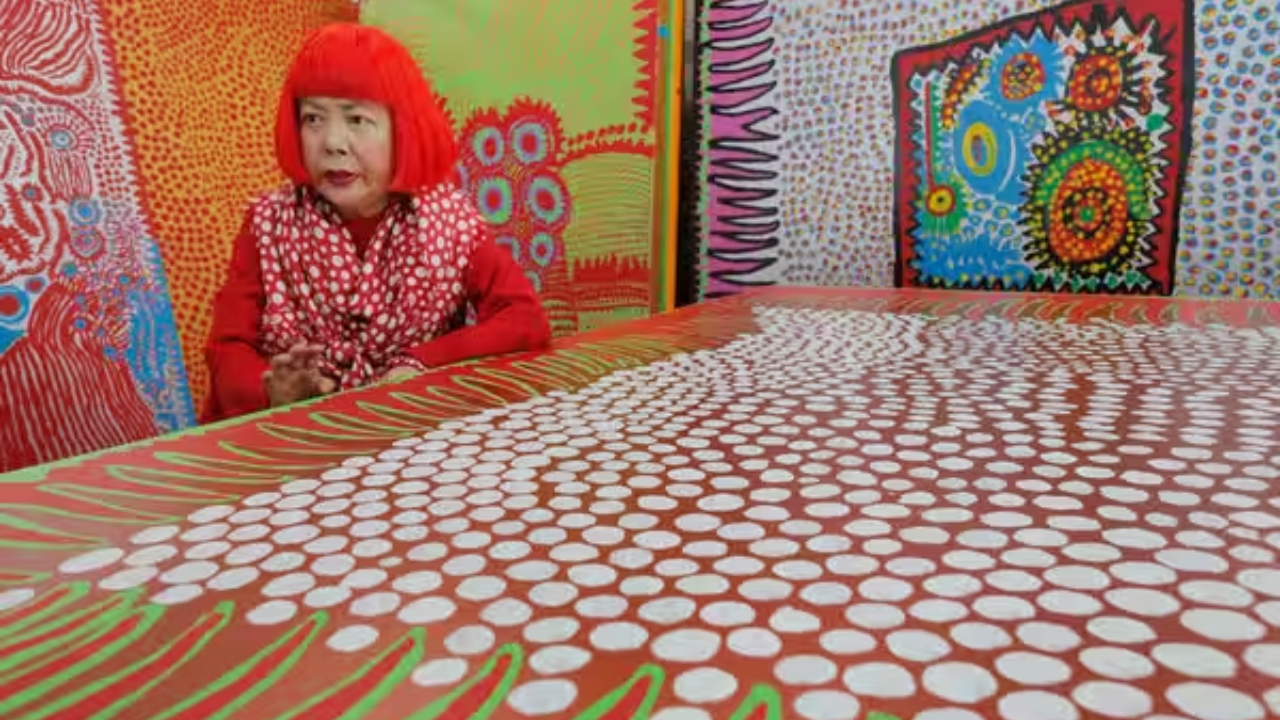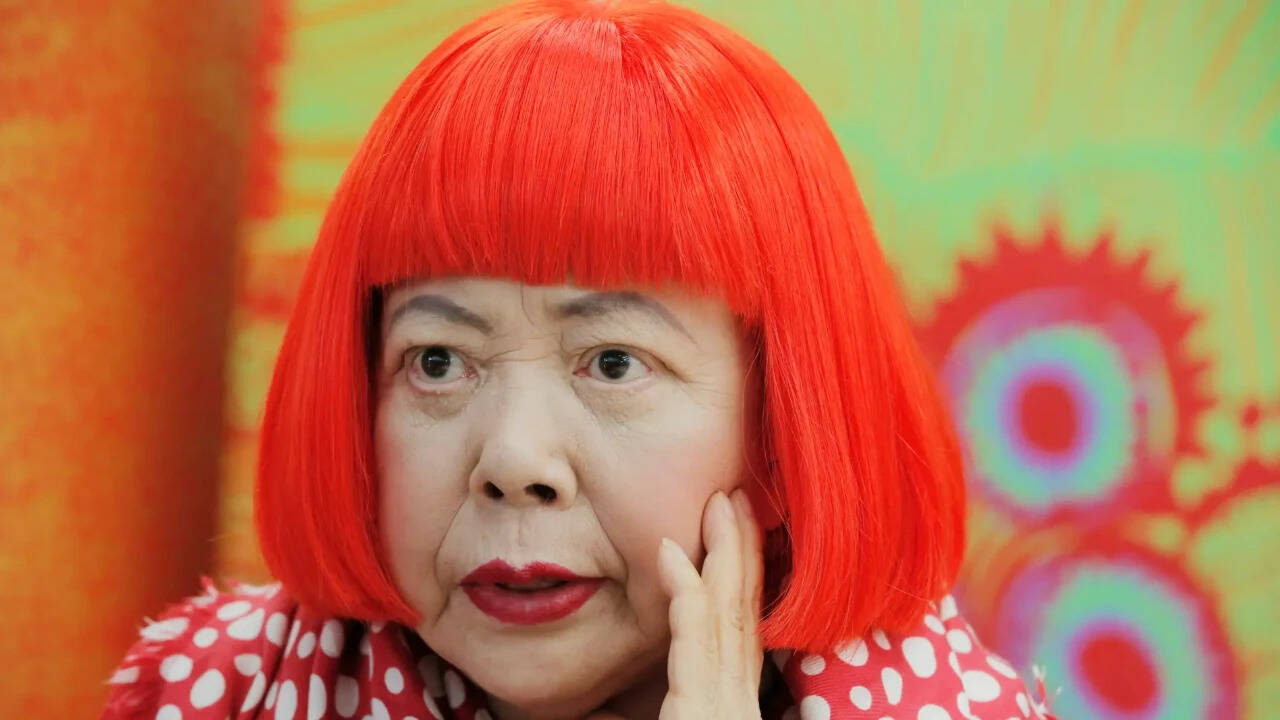
The obituary machine rolled out the predictable script on the death of Yayoi Kusama at 97. They called her the global polka-dot art icon. They called her the queen of infinite rooms. They treated her life as a colorful, whimsical fairy tale of pumpkin patches and mirrored boxes designed for smartphone screens.
It is a comfortable, sanitized lie.
The lazy consensus in the art world wants you to believe Kusama was a charming eccentric who painted spots because of hallucinations, turning her psychiatric struggles into joyful, Instagram-ready playgrounds. That narrative reduces a tactical, iron-willed psychological warrior to a manufacturer of expensive wallpaper.
I have watched collectors line up for hours to spend forty-five seconds inside an Infinity Mirror Room, snapping selfies while completely missing the existential terror anchoring the work. Kusama did not cover the world in dots to make you smile. She did it to annihilate the self.
The Obsession Industry Manufactured a Toy
Let us look at the mechanics of how the market broke her genius. In the late twentieth century, the art establishment pigeonholed Kusama as a novelty act. They loved the polka dots because they were decorative, easily digestible, and marketable. They stripped away the raw, aggressive performance art of her New York years—where she staged anti-war protests, painted naked bodies in front of the New York Stock Exchange, and declared the commercial art establishment bankrupt—and replaced the radical with the retail.
By the time the museum blockbusters hit, the public was buying tickets to a funhouse.
This is the core misconception. People view the dots as an expansion of joy. Kusama called it self-obliteration. When she covered tables, chairs, and her own body in spots, she was enacting a panic response to trauma. The dots were not decorations; they were a visual virus eating away the boundary between the ego and the universe.
When you reduce that terror to a chic backdrop for a profile picture, you miss the entire point of what avant-garde art is supposed to do. Art is supposed to disrupt your complacency, not match your living room rug.
The Economics of Infinite Production
Consider how the commercial machinery weaponized her repetition. Mass production of pumpkins and plush toys turned an uncompromising conceptual practice into a lifestyle brand.
I have seen galleries flip secondary market canvases for millions while the foundational philosophy of her early installations—anti-capitalist, ephemeral, aggressive—was completely ignored. The market rewarded the pattern and punished the provocation.
Yet, Kusama played the game with ruthless precision. Do not mistake her decades of voluntary residence in a Tokyo psychiatric hospital for helplessness. It was a controlled environment, a sanctuary she chose to manage her demons while maintaining total control over a multi-million-dollar studio operation. She engineered her own myth. She outlasted the critics, the sexists of the 1960s New York art scene, and the commercial vultures who tried to turn her into a footnote.
Why the Self-Obliteration Matters Now
We live in an era where everyone is desperate to project a curated, distinct personal brand. Every smartphone screen is a mini mirror room reflecting our digital egos back at us.
Kusama spent seven decades trying to erase the ego entirely.
Her genius was not that she made cute patterns. Her genius was that she diagnosed the sickness of modern individualism long before social media algorithms automated it. She understood that the human ego is a cage, and the only way to find freedom is to dissolve into the infinite network of the cosmos—even if doing so requires staring into an abyss of mirrors until you lose your mind.
Stop treating her legacy like a children's museum exhibit. She was a titan of endurance who weaponized repetition to stare down her own mortality.
The dots were never about the spots. The dots were the weapon she used to make sure nobody could ever look away from the void.
.jpg?width=1200&auto=webp&trim=0%2C100%2C0%2C100)