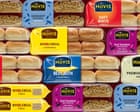
The UK competition regulator has cleared Allied Bakeries—the owner of Kingsmill—to acquire Hovis, creating an unprecedented monopoly in the British bread market. This decision will fundamentally reshape supermarket shelves and supply chains across the country. While executives promise efficiency, the reality is a desperate consolidation of two struggling giants trying to survive soaring energy costs, shifting consumer habits, and aggressive supermarket private-label pricing. This merger is not a sign of growth. It is a defensive retreat.
For decades, the plant bread sector in the UK has been a brutal, low-margin battleground. The big three brands—Warburtons, Kingsmill, and Hovis—have fought for every inch of shelf space. They did this while major supermarket chains squeezed them on price to fuel their own budget-brand price wars. By allowing Allied Bakeries and Hovis to combine, the Competition and Markets Authority (CMA) has signaled that the traditional market structure is dead. Survival now requires scale, even if it reduces consumer choice. Discover more on a similar subject: this related article.
The Secret Pressures Forcing the Deal
The corporate balance sheets tell a story of long-term attrition. Allied Bakeries, a subsidiary of Associated British Foods (ABF), has endured years of thin margins and structural losses. Hovis has cycled through multiple private equity owners and corporate restructurings, never quite finding stable ground.
Wheat prices have fluctuated wildly over the last four years, driven by geopolitical instability and unpredictable harvest yields across Europe. At the same time, industrial baking is an energy-intensive process. The cost of running massive commercial ovens and maintaining temperature-controlled distribution fleets skyrocketed. Independent brands cannot easily pass these costs onto consumers when major supermarkets demand low prices for staple goods. Further reporting by MarketWatch highlights related perspectives on this issue.
Supermarkets hold all the cards in this relationship. Chains like Tesco, Sainsbury’s, Asda, and Morrisons use sliced white bread as a loss leader. They keep prices artificially low to lure shoppers into stores. If a branded baker tries to raise prices to cover input costs, the supermarket can simply reduce their shelf space and promote their own private-label bread instead. This squeezed the branded bakers from both sides, making the status quo completely untenable.
How the CMA Was Convinced
Standard competition law usually blocks a merger that combines two of the top three players in a national market. A deal like this would typically trigger a prolonged, intense investigation. Yet, the regulator waved it through.
The defense relied on the "failing firm" argument, or at least a variation of it. Lawyers argued that without this consolidation, one or both brands faced severe operational downsizing or complete market exit. If a factory closes, hundreds of jobs vanish, and the supply chain fractures anyway. The regulator decided that a duopoly consisting of Warburtons and a combined Allied-Hovis entity was better than a broken market where only one major brand survived alongside supermarket own-brands.
Furthermore, the definition of the market has changed. The regulator no longer looks at branded plant bread in isolation. They now view the market as a single pool that includes supermarket private labels, in-store bakeries, and artisanal sourdough brands. By broadening the definition, the combined market share of Kingsmill and Hovis looks less threatening on paper. This is a legal maneuver that ignores how average consumers actually shop.
The Operational Reality of the Factory Floor
Combining two massive distribution networks and manufacturing footprints is a logistical nightmare. It rarely goes as smoothly as corporate slide decks suggest.
- Logistical Redundancies: Both companies operate large fleets of delivery trucks that visit the same supermarket distribution centers daily. Merging these routes will reduce carbon footprints and fuel costs, but it also means job cuts for drivers and depot staff.
- Factory Closures: You do not buy a competitor to keep all their factories open. Production will be concentrated in the most efficient facilities, leading to regional manufacturing losses.
- Brand Dilution: Managing Kingsmill and Hovis under one roof is a delicate balancing act. If they make the recipes too similar to save on ingredient sourcing, they destroy the distinct brand identities that consumers trust.
Consider a hypothetical example of a regional town with two large industrial bakeries, one owned by each company. After the merger, the parent company will likely close the older facility, move all production to the modern plant, and force the remaining workers to handle double the volume. This improves efficiency on paper but stresses the local supply chain and removes resilience from the food network.
The Shift in Supermarket Power Dynamics
The new mega-bakery now faces its biggest test: negotiating with the supermarkets. For years, retailers played Kingsmill and Hovis against each other. If Kingsmill refused a price squeeze, the supermarket threatened to give Hovis the prime eye-level shelves.
That leverage has evaporated. A combined Allied-Hovis controls too much consumer demand for a supermarket to drop them entirely. If a major chain refuses to stock the combined portfolio, their bread aisle will look empty, driving loyal customers to rival supermarkets.
However, do not expect the grocers to accept this passively. They will likely retaliate by expanding their own premium private-label bread lines. They will give better placement to in-store bakeries and alternative starch categories, like wraps and flatbreads, to reduce their reliance on the new monopoly.
The Consumer Cost
Monopolies rarely result in lower prices for the public, despite what corporate synergy reports claim. The cost of a standard sliced loaf will rise. It will not happen overnight through a dramatic price hike, but rather through subtle changes in promotions, smaller loaf sizes, or a reduction in budget product lines.
The true casualty of this merger is choice. When two corporate cultures merge, niche products get eliminated to streamline production runs. The unique regional flour blends or specific health-focused loaves that do not hit massive volume targets will disappear from shelves. British shoppers will find fewer options, less innovation, and a highly standardized, corporate bread supply. The era of vibrant competition in the baking aisle is officially over. This deal was approved to save a failing industry, but the British shopper will ultimately pay the bill.