The headlines are lying to you.
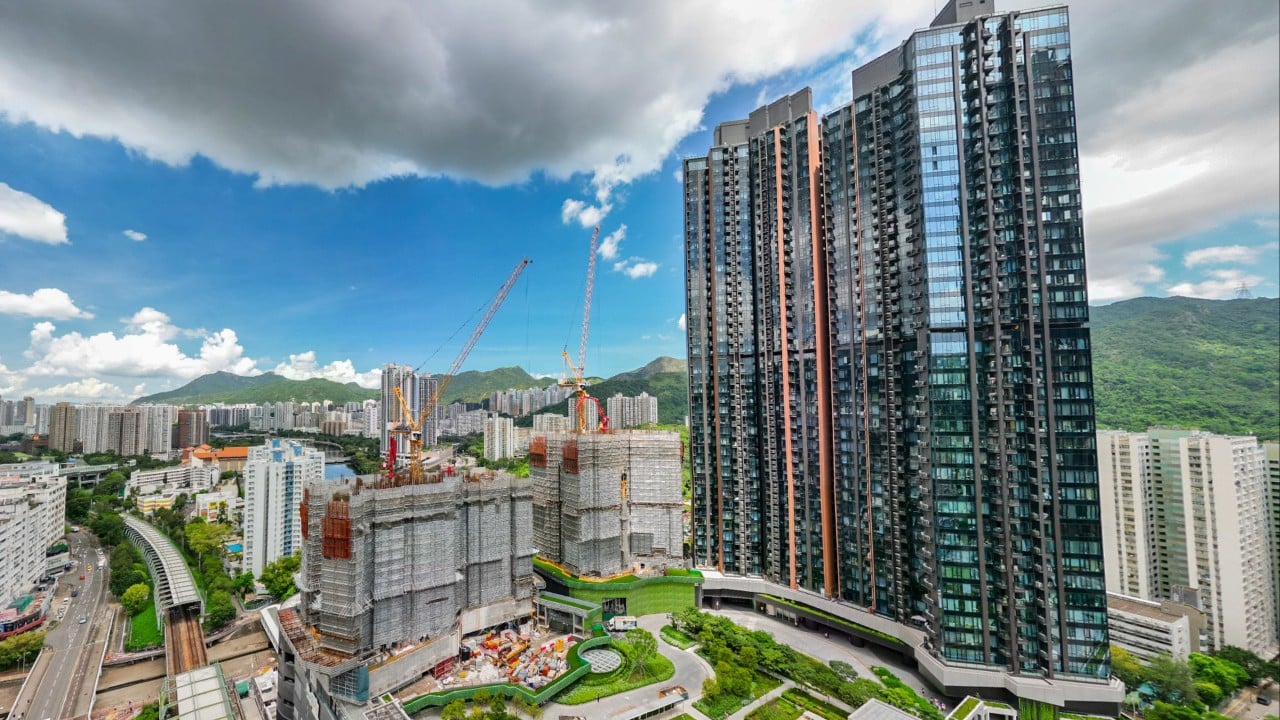
"Homebuyers flock to new launches." "Flats sell out in hours." "The market has bottomed out." If you believe the mainstream financial press, Hong Kong’s property sector is back in its golden era. Brokers are popping champagne, and developers are grinning for the cameras.
It is a choreographed illusion.
What the "sell-out" narratives fail to mention is the desperate math behind the scenes. We aren't seeing a resurgence of value. We are seeing a fire sale. When a developer slashes prices by 20% to 30% below the secondary market and "sells out," that isn't a sign of strength. It is a liquidation event.
If you are buying into these "swift sales" thinking you’ve caught the bottom, you haven't. You’ve just handed your liquidity to a developer who is smarter than you and far more terrified.
The Liquidity Mirage
The "lazy consensus" among analysts is that the removal of cooling measures—the "spicy taxes"—has fixed the demand problem. It hasn't. It only shifted the psychology from "wait and see" to "exit while you can."
Total transaction volume is a vanity metric. It tells you people are moving money, but it doesn't tell you why. After years of stagnant growth and brutal interest rate hikes, the current "rush" is driven by two specific, non-sustainable groups:
- The Forced Upgraders: People who have been trapped in tiny units for five years and are finally seeing a price point that doesn't feel like a life sentence.
- The Yield Chasers: Investors betting that rents will stay high while prices drop, creating a temporary yield play.
Neither of these groups represents a healthy, growing middle class. They represent a market cannibalizing itself. Real estate expertise isn't about counting heads at a showroom in Kai Tak; it’s about analyzing the cost of carry.
When the Prime Rate sits where it is, and the rental yield in many districts struggles to hit 3%, you are losing money every month the property doesn't appreciate by at least 5% a year. In the current global macro environment, betting on 5% annual capital gains in Hong Kong is less like investing and more like a prayer.
Developers Are Front-Running Your Ruin
I have watched developers operate in this city for two decades. They are not your friends. They are not "providing housing solutions." They are risk managers with better data than you.
When a major player like CK Asset or Sun Hung Kai prices a new project significantly lower than the neighboring towers, they aren't being "generous" to first-time buyers. They are signaling that they want off the ride. They would rather take a haircut today than be left holding the bag when the next credit cycle hits.
By the time you see a "sold out" headline, the developer has already de-risked. You, meanwhile, have just signed a thirty-year contract on an asset that is being actively devalued by the very people who built it.
The Secondary Market Ghost Town
The most damning evidence against the "recovery" is the secondary market. If the market were truly back, your neighbor’s flat would be selling too. But it isn't.
- New Builds: Subsidized by developer financing, flexible payment plans, and massive discounts.
- Secondary Market: Crickets.
Why? Because the average homeowner cannot compete with a multi-billion dollar developer’s ability to eat a loss. If you buy a new launch today, you are buying an asset that will be "old" the moment the keys hit your hand, competing against the next developer who will likely price their project even lower to capture the dwindling pool of buyers.
The Myth of the "Inexhaustible" Mainland Buyer
For years, the industry relied on the narrative of the wealthy mainland investor who would save Hong Kong real estate. That person is gone.
The mainland buyer today is price-sensitive, wary of capital controls, and dealing with a domestic property crisis that makes Hong Kong’s slump look like a picnic. They aren't buying for prestige anymore; they are buying for survival or education. They are looking for bargains, not "trophy assets."
The premise that "Mainland demand will floor the price" is a logical fallacy. Demand is not a static number. It is a function of price and confidence. Price is falling, and confidence is in the basement. When the "spicy taxes" vanished, the floodgates didn't open to buyers—they opened to sellers who had been waiting for a moment of liquidity to get out without losing their shirts.
High Interest Rates: The Elephant in the Showroom
Let’s talk about the math people ignore because it’s boring.
$Mortgage Repayment > Rental Income$
This is the reality for the vast majority of new buyers. In any other asset class, if you told someone to buy a business where the monthly operating costs were higher than the revenue, they’d call you an idiot. In Hong Kong real estate, they call it "home ownership."
The HKD peg to the USD means we are imported victims of the Federal Reserve's "higher for longer" stance. Even if the Fed cuts, the spread between the HIBOR and the cap on mortgages means your borrowing costs aren't dropping back to 1% or 2% anytime soon.
You are paying 4.125% or more to hold an asset that is yielding 2.8%. You are paying for the privilege of watching your equity erode.
The Counter-Intuitive Truth
If you absolutely must play this market, stop looking at the shiny new towers.
The only way to win in a declining market is to find deep value in the unloved sectors. The "consensus" says buy the new launch in Northern Metropolis. The smart money is looking at distressed commercial assets or specific luxury pockets where the price-per-square-foot has decoupled so far from reality that the land value alone provides a floor.
But for the average person? The most professional advice I can give is this: Rent. Renting in Hong Kong is currently a massive subsidy provided to you by a landlord. You get to live in a multi-million dollar asset for a fraction of what it costs to own it, while the landlord absorbs the capital loss, the maintenance, the rates, and the management fees.
Why would you volunteer to take that burden off their hands?
Stop Asking if Prices Will Rise
You’re asking the wrong question. You should be asking: "What is the opportunity cost of this capital?"
If you lock $3 million HKD into a down payment for a two-bedroom flat in Tseung Kwan O, that money is dead. It’s trapped. In a world where you can get 4% to 5% on "risk-free" government bonds or diversify into global equities, tying your net worth to a single, illiquid, overvalued box in a city facing structural economic shifts is a dereliction of financial duty.
The "swift sales" you see in the news are the sound of a trap snapping shut. Don't be the one inside it.
The market isn't coming back to save you. You have to save yourself by refusing to play a rigged game. If a developer is selling at a "startling" discount, believe them. They know what the building is worth better than you do, and they want it off their balance sheet.
Let them keep it.