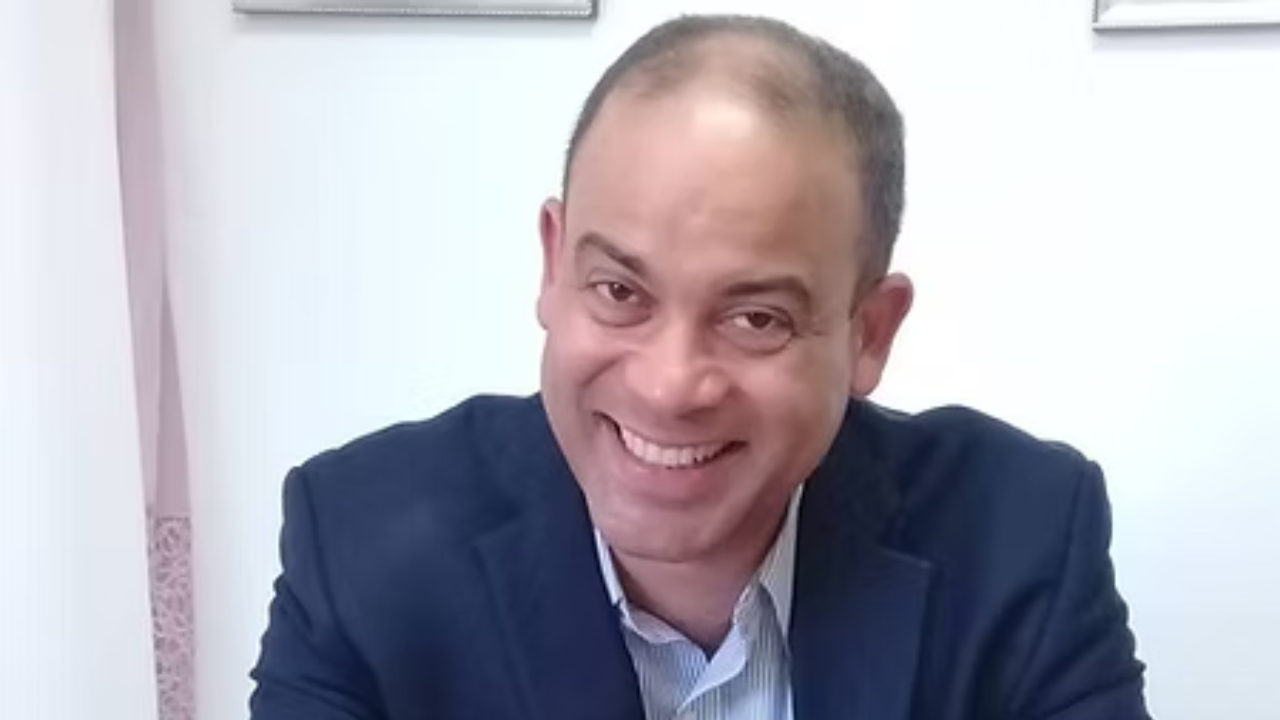
When twenty-seven-year-old Elizabeth Baron walked into a storefront wellness clinic in the Bronx for a routine anti-aging injection, she expected clinical safety. Within hours, she was pronounced dead at NewYork-Presbyterian Allen Hospital. Police arrested fifty-five-year-old Luis Rojas Cabrera and charged him with reckless endangerment and the unauthorized practice of a profession.
Cabrera claimed credentials as a surgeon and doctor from the Dominican Republic on his website, advertising integrative treatments and anti-aging therapies. But in the state of New York, he possessed no license to practice medicine. In similar updates, take a look at: Inside the Prolonged Viral Quarantine Protocols Breaking Public Health.
Her death is not an isolated tragic accident. It is the predictable outcome of an exploding, under-policed underground market where unlicensed practitioners exploit state regulatory loopholes, social media marketing, and grey-market medical supplies to perform high-risk invasive procedures under the guise of wellness.
The Illusion of Legitimacy and Foreign Credential Arbitrage
Walk into any of the hundreds of storefront med spas operating across major urban centers, and you will see white coats, framed diplomas, and impressive-sounding titles. For consumers, distinguishing between a board-certified physician and an unlicensed operator has become nearly impossible without performing a state license verification lookup. Everyday Health has also covered this important subject in extensive detail.
In the Bronx case, Cabrera highlighted his medical training in the Dominican Republic, membership in international organizations, and a childhood spent helping his family with medical care. To a consumer scrolling through a polished website, that background creates a convincing veneer of authority.
The legal reality in the United States is unyielding. Holding a medical degree from another country does not authorize anyone to diagnose patients, administer intravenous solutions, or inject chemical compounds into biological tissue on American soil. Obtaining a U.S. medical license requires passing multi-step board examinations, completing an accredited residency program, and securing state medical board credentials.
Unlicensed operators bypass this rigorous pipeline entirely. They setup shop in storefronts, residential apartments, or backrooms of beauty salons, relying on patient trust and low enforcement visibility. They charge thousands of dollars for unregulated therapies, operating in plain sight until an irreversible catastrophe occurs.
The Toxic Secret of Underground Injections
What actually goes inside those unlabeled syringes?
When legitimate physicians administer anti-aging or cosmetic treatments like Botox, hyaluronic acid fillers, or IV vitamin therapies, they source pharmaceuticals through FDA-inspected supply chains. Every batch carries traceable lot numbers, verifiable purity standards, and strict temperature control tracking.
Unlicensed practitioners do not have access to licensed pharmaceutical distributors. Instead, they buy their supplies through darknet vendors, overseas illicit suppliers, or unauthorized online wholesale sites.
Investigators routinely find black-market injectables containing dangerous adulterants, industrial silicone, unsterilized saline, expired neurotoxins, or unapproved chemical cocktails. In many cases, substances labeled as "anti-aging peptides" or "rejuvenation serums" are mixed in unsterile kitchen sinks or backroom counters.
When a foreign substance enters a human vein or deep tissue, the physiological consequences can be swift and catastrophic.
Anaphylactic Shock and Systemic Toxicity
A systemic allergic reaction to an unknown substance can cause airways to constrict within minutes. Without immediate administration of epinephrine and emergency airway management, hypoxia leads to brain death.
Embolisms and Vascular Occlusion
If an inexperienced injector accidentally pierces an arterial vessel and forces a thick serum or oil-based compound into the bloodstream, that foreign matter travels straight to the heart, lungs, or brain. A pulmonary embolism or fatal stroke can occur instantly on the treatment table.
Severe Sepsis and Contamination
Bacterial contamination introduced through unsterile needles or non-medical grade vials leads directly to septic shock, multi-organ failure, and rapid death.
When emergency medical teams arrive at an underground clinic, they often face a wall of silence. Unlicensed operators, terrified of criminal charges, rarely disclose what chemical compound they actually injected, stripping emergency room physicians of critical minutes needed to administer life-saving antidotes.
Regulatory Enclosures and Enforcement Blind Spots
State medical boards and health departments operate primarily as reactive entities. They investigate complaints. They do not run proactive sting operations on every wellness center, med spa, or integrative storefront opening up in neighborhood shopping districts.
New York law requires any establishment offering medical services, including injectable cosmetic treatments and prescription intravenous drips, to operate under the direct oversight of a licensed physician. Yet enforcement agencies face massive structural hurdles.
Resource Constraints and Delayed Oversight
State health departments employ a limited number of investigators tasked with overseeing thousands of licensed hospitals, clinics, and professional practices. Underground operators easily fly under the radar until a patient suffers severe injury or death.
Misleading Terminology and Regulatory Evasion
By branding their facilities as lifestyle centers, wellness lounges, or alternative health clinics, operators attempt to evade medical facility regulations. They use non-technical language on storefront signs while quietly performing invasive medical interventions behind closed doors.
Penalties That Fail to Deter
In many jurisdictions, practicing medicine without a license is classified as a low-level felony or misdemeanor. For illicit operators generating tens of thousands of dollars in cash every week, the financial reward far outweighs the legal risk until a fatal event triggers a homicide or manslaughter investigation.
Consider a hypothetical scenario where a state medical board receives a report regarding an illegal injector operating out of a quiet residential neighborhood. The board sends a cease-and-desist letter. The operator simply closes that location, changes the business name, buys a new burner phone, and moves three miles away to open another clinic under a fresh brand.
Without mandatory criminal prosecution for initial violations and real-time cross-agency intelligence sharing between local police, federal customs agencies, and medical licensing boards, the underground market will continue to expand.
How to Protect Yourself from Unlicensed Practitioners
Consumers must treat every cosmetic or wellness procedure involving needles, IVs, or chemical substances as a serious medical intervention. Verifying credentials before allowing anyone to administer an injection is a non-negotiable step.
First, check the professional licensing database of your state. In New York, the Office of the Professions maintains a public database where anyone can search a practitioner's name to confirm whether they hold an active license as a physician, physician assistant, or nurse practitioner.
Second, demand to inspect the original packaging of any injectable product. Legitimate practices will proudly show you the FDA-approved manufacturer seal, lot number, and expiration date on the vial before drawing the solution into a syringe.
Third, look at the physical environment and emergency protocol. A legitimate facility maintains strict sterile conditions, professional medical waste disposal units, and immediate emergency resuscitation equipment, including oxygen supplies and epinephrine.
If a practitioner operates out of an apartment, refuses to provide a state license number, insists on cash-only payments without detailed medical receipts, or offers prices far below standard medical market rates, walk out immediately.
The death in the Bronx serves as a stark, tragic reminder of the true cost of unregulated medicine. The pursuit of youth and wellness should never require gambling with human life. State legislatures must strengthen criminal penalties for unlicensed medical practice and empower law enforcement to shut down illicit clinics before another family is left grieving a preventable loss.