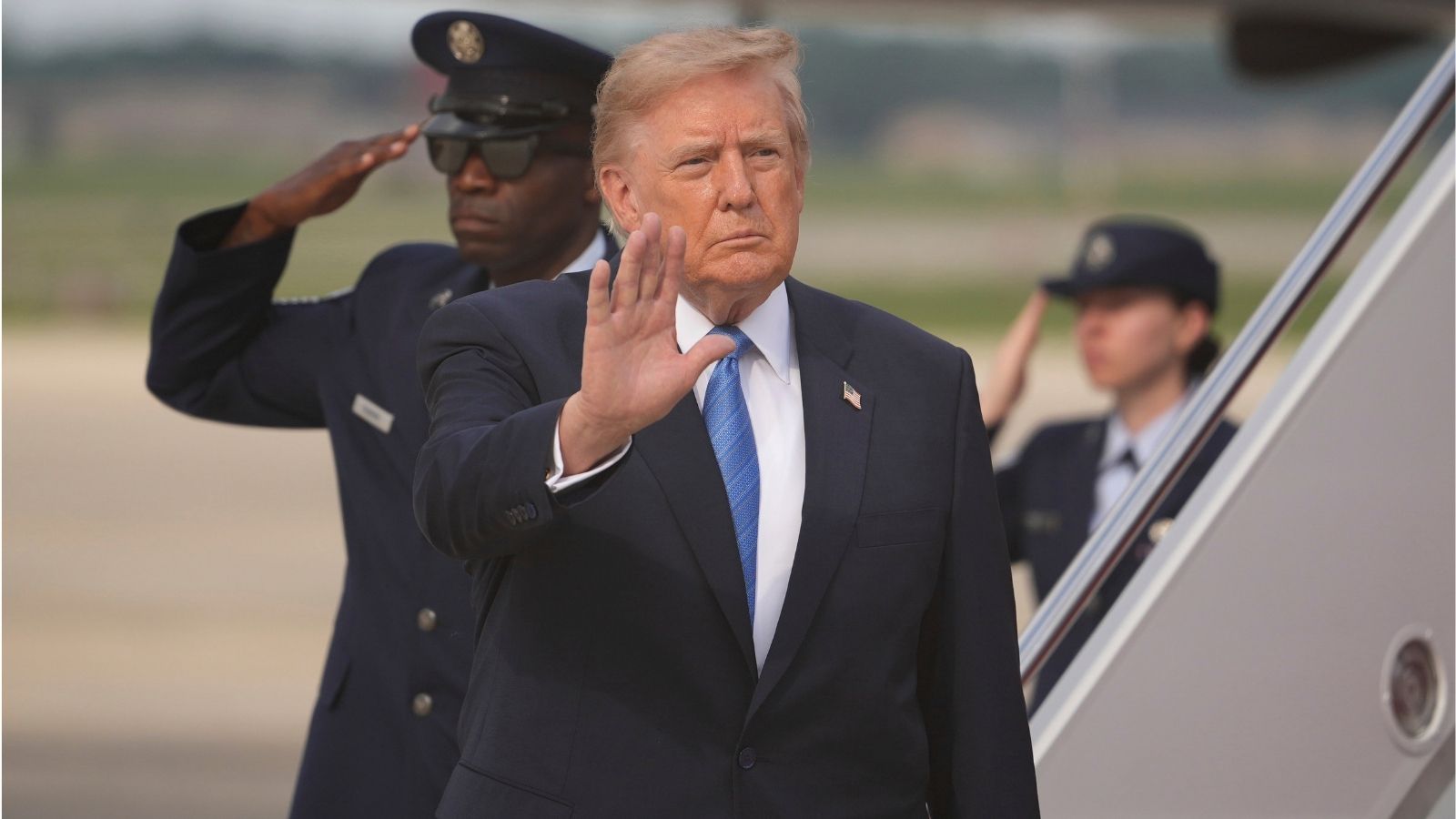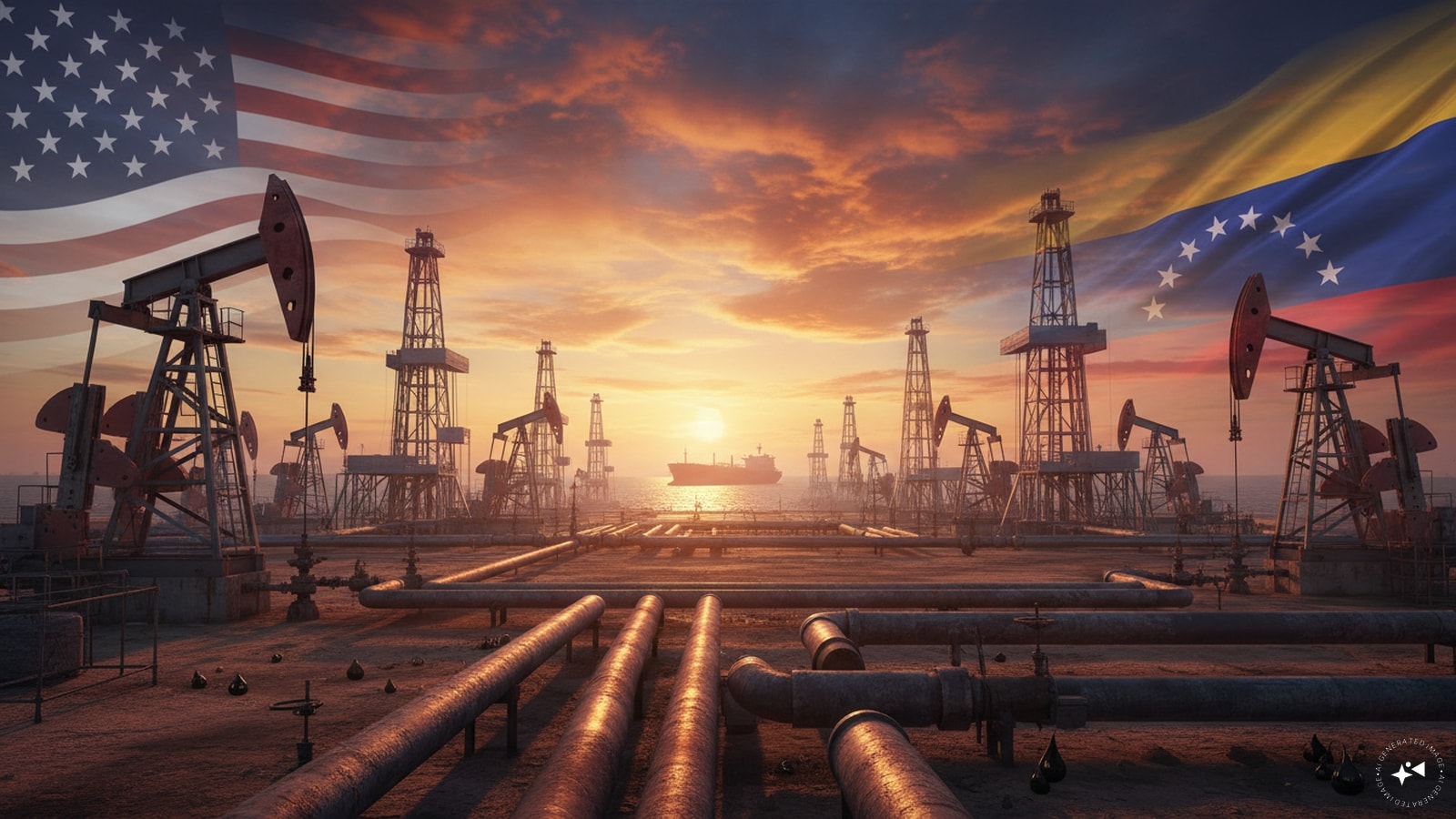
The Donald Trump administration has claimed a landmark pact with Caracas, declaring the acquisition of majority control over sixty-five billion barrels of Venezuelan crude in what the White House terms the biggest oil deal in world history. Months after a forceful military intervention upended the Venezuelan government and installed an interim administration, Washington insists this arrangement will double domestic reserves and suppress domestic gasoline costs. Yet a hard look at the engineering, constitutional framework, and fractured supply chains reveals a starkly different reality. This grand geopolitical transaction rests on structural foundations that may take decades to solidify, assuming they survive the legal and physical bottlenecks plaguing South America's most troubled energy sector.
Decades of mismanagement, chronic underinvestment, and severe international penalties have left Venezuelan petroleum infrastructure in a state of advanced decay. Owning paper rights to billions of barrels of hydrocarbons bears little resemblance to extracting, upgrading, and refining that material. Venezuelan crude is predominantly heavy and extra-heavy, thick as bitumen, resting beneath the Orinoco Belt. Moving this sludge requires specialized diluents, massive capital expenditure, and specialized upgrader facilities that are currently rusted, neglected, or operating at a fraction of their nameplate capacity.
Statements from Washington promise that private corporations will inject vast sums to revive these dead fields. Corporate boardrooms, however, view sovereign risk through a lens of cold calculus. No major energy firm pours tens of billions of capital into an unstable jurisdiction without airtight legal guarantees and ironclad security. The interim government in Caracas operates under an ambiguous constitutional mandate, and future administrations may easily declare foreign resource concessions void under domestic sovereignty statutes. When political legitimacy is backed primarily by external military leverage rather than domestic consensus, property rights remain inherently fragile.
The domestic political utility of the announcement is transparent. With the strategic petroleum reserve hovering below historic safety margins and prolonged conflict in the Middle East straining global energy networks, Washington faces acute pressure at the pump. Promising an influx of cheap fuel provides immediate rhetorical relief to consumers tracking retail prices ahead of midterm elections. Energy analysts point out that even under optimal conditions, translating a signed memorandum into physical barrels arriving at Gulf Coast refineries requires a multi-year runway of heavy civil engineering.
Financial engineering cannot substitute for physical infrastructure. Even if private operators secure long-term concessions, the logistics of transporting heavy sour crude to complex refineries designed for lighter grades creates additional friction. Refineries along the US Gulf Coast can process heavy Venezuelan feedstock, but retooling supply chains and securing dedicated tankers requires specialized logistical coordination that moves at industrial speeds, not political timelines. The proclaimed triumph over global energy scarcity serves immediate communication strategies, but the pipeline from wellhead to consumer remains choked by physical limitations.