Back in 1960, Venezuelan energy minister Juan Pablo Pérez Alfonzo helped midwife the birth of OPEC, sitting down in Baghdad with representatives from Iran, Iraq, Kuwait, and Saudi Arabia to construct the world's most notorious commodity cartel. For decades, Caracas wore that founding status like a badge of honor. Now, that relationship is falling apart. Recent discussions involving Venezuelan and U.S. officials reveal that Caracas is seriously weighing an exit from OPEC.
If Venezuela walks, it becomes the first founding member to ever abandon the organization. Coming on the heels of the United Arab Emirates pulling out and persistent grumbling from Baghdad, this isn't just a diplomatic footnote. It signals a structural fracture in global energy governance.
The Shifting Sands of Venezuelan Production
People look at Venezuela today and see a broken oil shell. They aren't wrong, strictly speaking. Years of catastrophic underinvestment, decaying infrastructure, and crushing Western sanctions turned a powerhouse that once pumped over 3 million barrels per day into a nation struggling to crack the 1.1 million barrels per day mark.
Because of that steep decline, OPEC gave Venezuela a free pass, exempting it from binding output quotas for years. You might wonder why a country with a permanent hall pass would bother officially quitting.
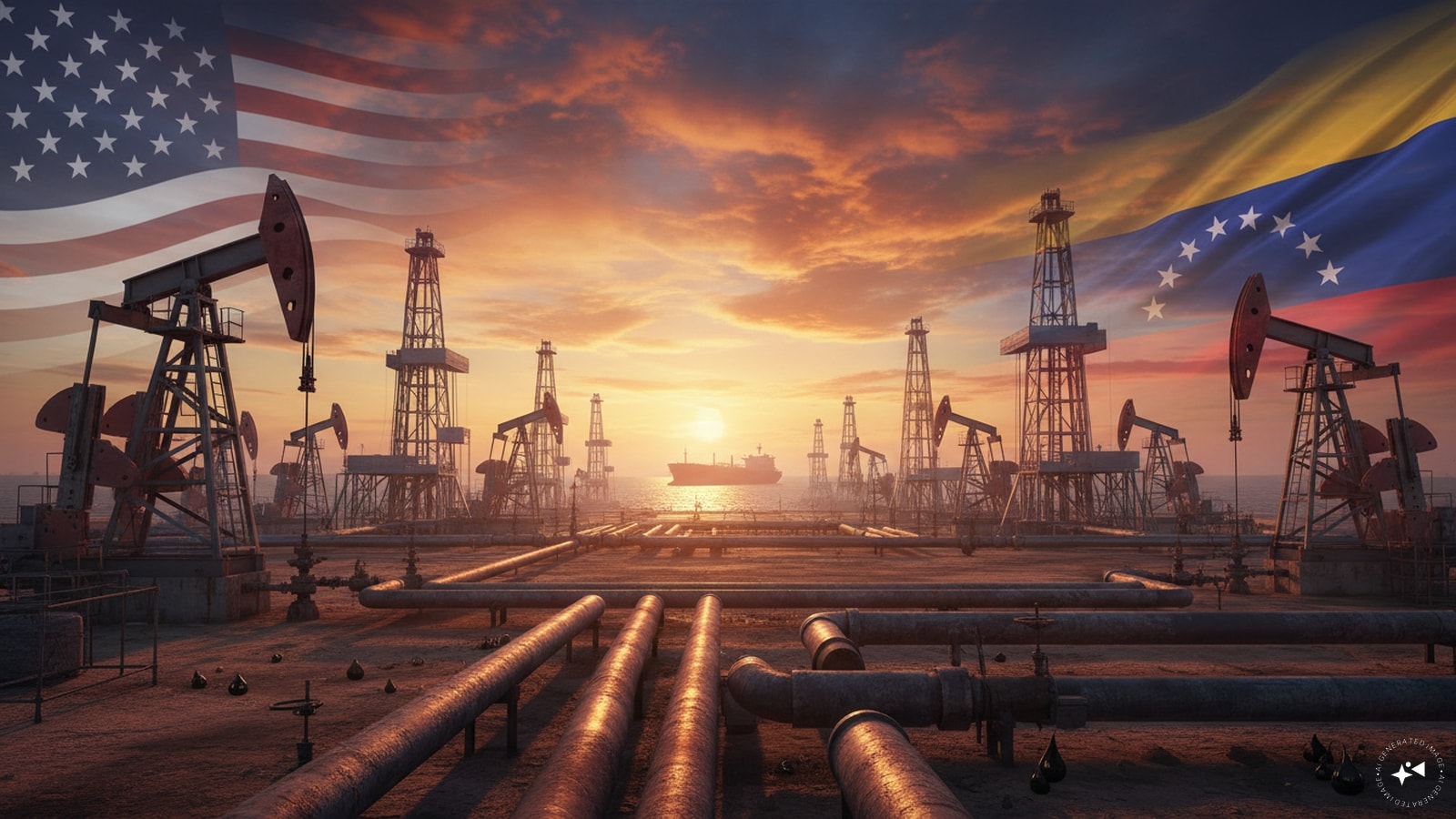
The answer lies in Washington and Caracas executing a complete political realignment. Following the removal of Nicolás Maduro, the U.S. and Venezuela have moved into a phase of deep energy cooperation. Washington is currently in talks to secure stakes in 17 major Venezuelan oil fields, eyeing portions of the country's staggering 303 billion barrels of proven reserves. Major players like Chevron are expanding operations, while service giants like SLB and Hunt Oil re-enter the basin.
If American capital and engineering are going to rescue Venezuela's oil sector, staying inside a Saudi-dominated cartel that restricts supply makes zero economic sense. Caracas wants to pump everything it can, as fast as it can, to rebuild its shattered economy. Bound by OPEC or not, staying in the club invites friction they no longer need.
Why OPEC Is Losing Its Grip
Cartels rely on unity and fear. When members start heading for the exits, the illusion of total market control shatters.
Venezuela's potential departure highlights a deeper malaise within OPEC and its expanded OPEC+ coalition. Non-cartel production is booming. U.S. shale drillers keep surprising skeptics, while massive offshore finds in Guyana and Brazil continue pumping out cheap barrels. At the same time, internal dissent is tearing the group apart. The UAE left over frustration regarding production caps that choked its investments, and Iraq continues to eye the exit door over similar quota disputes.
When you add up Venezuela, the UAE, and Iraq, you are looking at over 7 million barrels per day of production capacity—roughly 32 percent of the entire organization's total. Losing a foundational pillar like Venezuela transforms OPEC from an unyielding market manipulator into a regional alliance struggling to defend an eroding floor price.
What This Means for Crude Prices
If you trade oil or manage corporate energy exposure, don't expect an overnight price crash. Rebuilding Venezuela's oil infrastructure requires hundreds of billions of dollars and years of grueling engineering work. The extra barrels hitting global markets from these new U.S.-Venezuelan partnerships will trickle in slowly at first.
However, the psychological and long-term supply implications are massive. Saudi Arabia and its core Gulf allies rely on production restraint to keep crude prices elevated. A freed-up Venezuela, backed by American capital and operating completely outside of cartel oversight, represents the exact opposite philosophy. It points toward a future market characterized by a race for volume rather than managed scarcity.
Keep a close eye on the formal announcements coming out of Caracas over the coming months. The era of a monolithic OPEC dictating global energy terms is quietly drawing to a close, and the nation that helped build it is leading the demolition crew.