The coffee in Central is always a little too hot and a little too expensive. From a window on the 45th floor of an IFC tower, the Victoria Harbour looks like a sheet of hammered silver. Below, the star ferries chug back and forth, indifferent to the trillion-dollar shifts happening in the glass boxes above them. Most people see Hong Kong as a postcard of neon and finance. But if you sit long enough with the people who actually move the world’s capital—the ones whose graying hair is a testament to forty years of market volatility—you realize this city isn't just a place. It’s an insurance policy.
Right now, the global institutional order feels like a ship with a broken rudder. For decades, the world relied on a singular set of maps provided by the West. You knew the rules. You knew the courts. You knew that if a deal went sideways in London or New York, there was a predictable mechanism to fix it.
That predictability is evaporating.
We are living through a Great Fragmentation. It’s not just about trade wars or chip bans; it’s a deeper, more existential anxiety about where the "center" of the world actually sits. As the West leans into protectionism and internal debate, the Global South and the rising economies of the East are looking for a place to moor their ambitions. They want to participate in the Chinese century, but they are terrified of the unknown. They need a bridge that speaks two languages: the language of the future and the language of the law.
The Architect of the Bridge
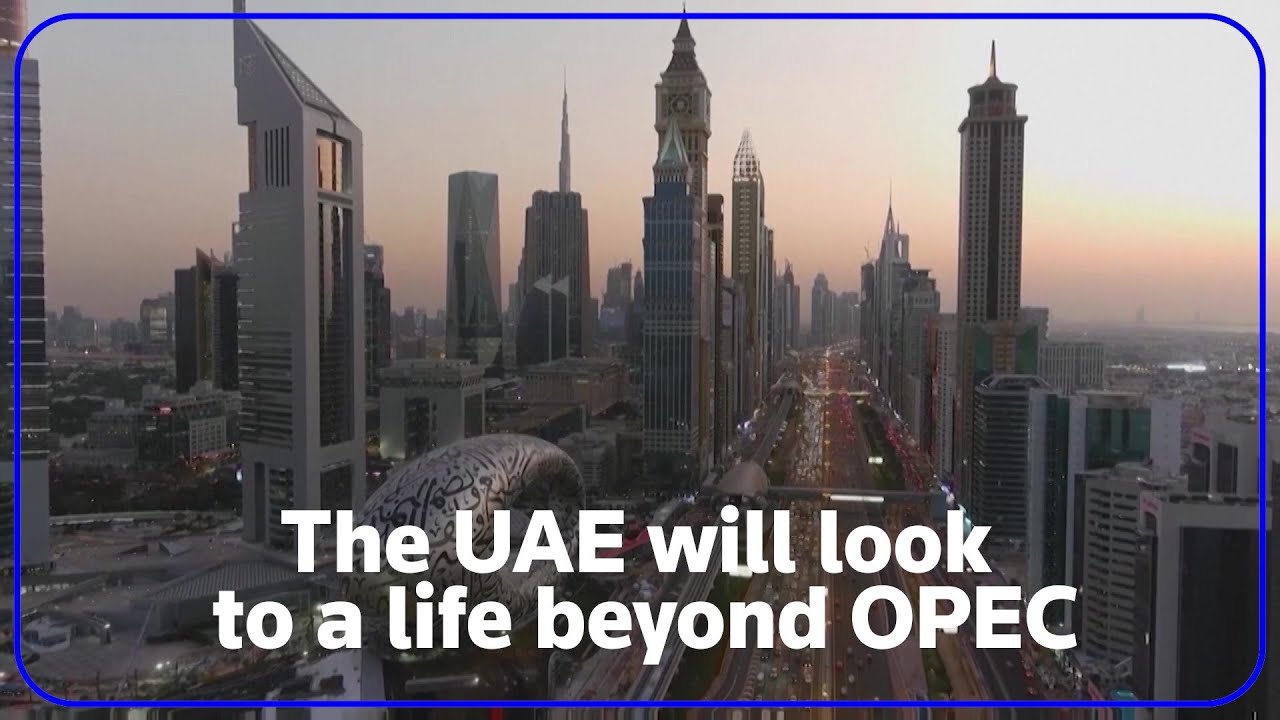
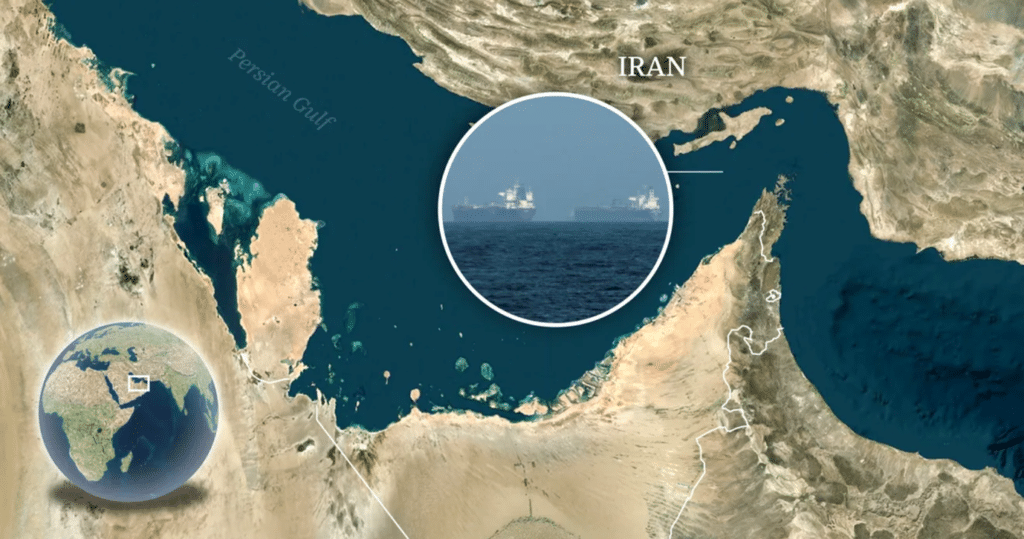
Consider a hypothetical fund manager named Elias. He’s based in Dubai, managing the wealth of a family office that wants to diversify away from the dollar. He wants to invest in a massive green energy project in the Greater Bay Area. Elias is brilliant, but he is also cautious. He knows that the civil law system in mainland China operates on a different frequency than the common law he studied at Oxford.
Elias isn't looking for a "vibe." He’s looking for a contract that will hold up if the political winds shift. He needs a jurisdiction that provides a "One Country, Two Systems" buffer—a place where the judiciary is independent, the capital is free to move, and the legal precedents are as solid as the granite under Victoria Peak.
Hong Kong is that buffer. It is the only place on the planet where Chinese opportunity meets the global common law tradition.
The "institutional anchors" the world is looking for aren't found in a manifesto or a speech. They are found in the fine print of a maritime insurance contract or a cross-border arbitration award. When a company from Brazil signs a deal with a tech giant from Shenzhen, they often choose Hong Kong law to govern the dispute. Why? Because it’s a neutral ground that feels familiar to both. It’s a "common language" for people who don't trust each other yet.
The Weight of History
To understand why this matters, we have to look at the sheer scale of the inertia. You can't build a financial center overnight. You can build the skyscrapers, sure. You can lay the fiber-optic cables. But you cannot manufacture "trust" in a laboratory. Trust is a slow-growing crop. It is built over centuries of court cases, thousands of settled disputes, and a relentless adherence to the rules of the game.
Hong Kong’s legal system is an inheritance that has been meticulously preserved. While the world frets about the city's changing political skin, the skeleton—the laws, the judges, the professional standards—remains remarkably rigid. This rigidity is its greatest asset. In a world of "liquid" truth and shifting geopolitical alliances, investors crave something that won't melt.
China knows this. The mainland has plenty of its own financial hubs—Shanghai is a titan, and Shenzhen is the Silicon Valley of the East. But they serve a different purpose. They are the engines. Hong Kong is the transmission. It takes the raw power of the Chinese economy and converts it into a format that the rest of the world can safely consume.
Beyond the Ticker Tape
The stakes are higher than just stock prices. When we talk about "institutional anchors," we are talking about the basic plumbing of civilization. If the world loses a common framework for business, everything gets more expensive. Risk premiums go up. Innovation slows down. The "adrift" world isn't just a poetic metaphor; it’s a description of a global economy where no one knows who to trust, so no one builds anything meant to last.
I remember talking to a veteran trader during the 2008 crash. He told me that in a crisis, you don't look for the person with the most money. You look for the person with the clearest ledger.
Hong Kong is the world's ledger. It offers a specialized ecosystem of arbitrators, lawyers, and accountants who act as the high priests of the global order. They are the ones who ensure that a digital asset in Singapore can be collateralized for a loan in London to fund a factory in Dongguan.
Without this connective tissue, the world doesn't just slow down; it breaks into isolated blocks.
The Human Element of Capital
We often treat "capital" as an abstract noun, something that flows like water. It isn't. Capital is the sum of human labor, saved and invested for a future that hasn't happened yet. Behind every sovereign wealth fund is a nation's retirement. Behind every venture capital firm is a founder’s life work.
When an investor chooses Hong Kong as their gateway to China, they aren't just making a technical decision. They are making a bet on the persistence of a certain type of order. They are betting that even in a multipolar world, we still need a place where the rules are written in stone, not sand.
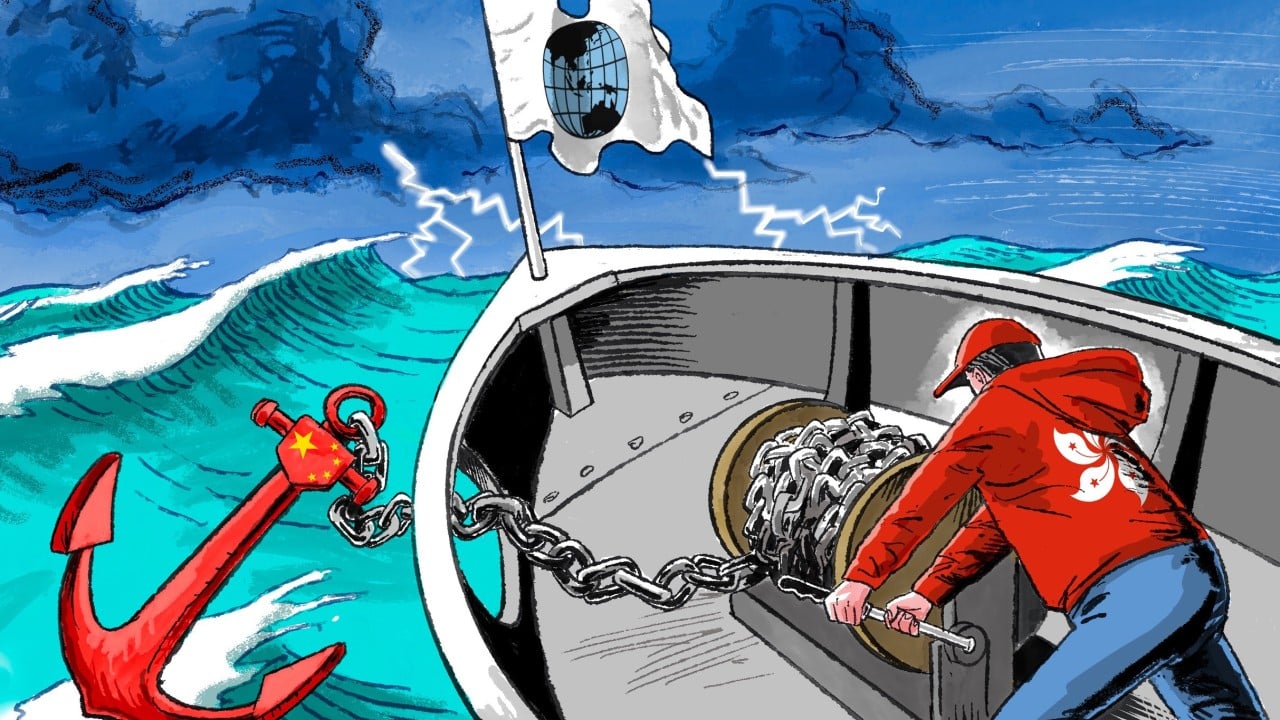
This is why the narrative of "decline" often misses the point. You don't judge an anchor by how shiny it is above the water. You judge it by how deep it bites into the seabed. While the headlines focus on the surface tension, the institutional roots of the city are being utilized in ways that were unimaginable twenty years ago.
The Wealth Management Connect, the Bond Connect, the listing of international firms on the local exchange—these aren't just policy names. They are the sounds of the anchor chains being tightened.
The Future of the Anchor
What happens next? The world isn't going back to the old ways. The unipolar moment is over. We are moving toward a reality where different systems must coexist, often uncomfortably. In this messy, overlapping future, "gateways" become the most valuable real estate on earth.
If you are a tech startup in Jakarta, you look to Hong Kong to reach the massive consumer base of the GBA. If you are a European pension fund, you look to Hong Kong to gain exposure to Chinese green bonds without leaving the safety of the common law.
The city is a laboratory for the 21st century. It is the place where the world is figuring out how to do business across the great ideological divides of our time. It’s not always pretty. It’s often loud, crowded, and filled with the friction of two tectonic plates rubbing together.
But friction creates heat, and heat creates energy.
As the sun sets over the harbor, the lights of the skyscrapers flicker on, one by one. From a distance, they look like a line of beacons. In a world that feels increasingly lost at sea, people don't go where the water is calmest. They go where the anchors hold.
The star ferry makes its final crossing for the hour. The water is choppy, caught between the tide and the wind. But the boat doesn't drift. It knows exactly where the pier is. It has done this a thousand times before, and it will do it a thousand times again, as long as the foundations remain.