Donald Trump wants you to believe he just pulled off the geopolitical deal of the century. He claims Iran has fully and completely agreed to the highest level of nuclear inspections long into the future. He even threw in the word infinity. According to the White House, Tehran is finally ready to commit to absolute nuclear honesty.
It sounds great on Truth Social. It makes for a fantastic headline. But if you look at what is actually happening on the ground in Switzerland, the reality is completely different.
Within hours of Trump's celebratory posts, the Iranian foreign ministry pulled the rug out from under the American narrative. Tehran flatly denied that any such inspection agreement exists. They stated clearly that there are zero plans for the International Atomic Energy Agency to inspect the very nuclear facilities that US and Israeli jets bombed last year.
We are witnessing a massive game of chicken where both sides are lying to their own people to save face. Trump needs a win to justify a highly controversial military campaign, and the Iranian regime needs sanctions relief before its economy completely collapses from runaway inflation. What we actually have is not a permanent peace treaty. It is a fragile, 60-day pause in a brutal war, and everyone is spinning it to look like they won.
The Massive Gap Between Trump Rhetoric and Iranian Reality
The current friction centers on who gets to see what inside Iran's borders. Last year, joint US and Israeli airstrikes heavily damaged three major Iranian nuclear enrichment facilities. Following those strikes, Tehran did exactly what you would expect. They kicked out international inspectors and turned off the monitoring cameras.
Now, Trump claims the weekend talks in Bürgenstock have magically solved this. He told reporters that if Iran doesn't live up to their agreement, he will hit them very hard again.
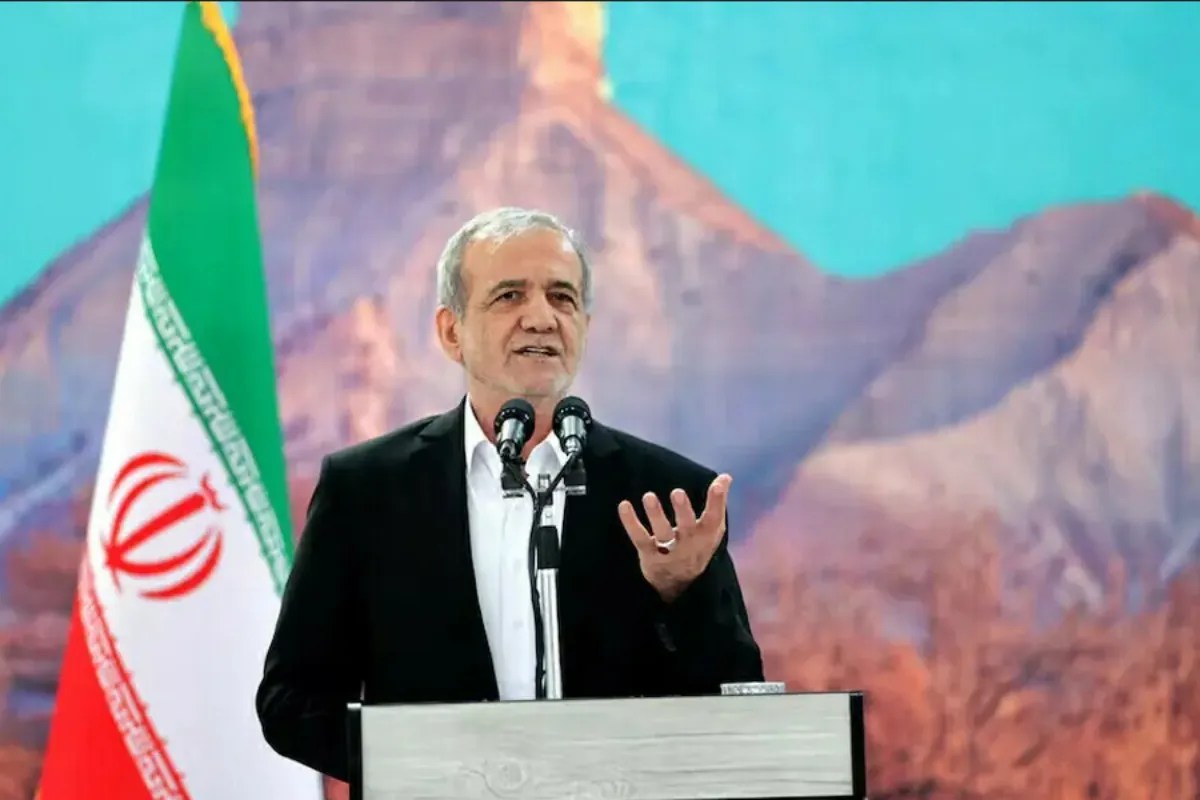
But Iran's chief negotiators tell a totally different story to their domestic media. They report to the Supreme National Security Council, a group made up of hardline political and military figures who view Western inspectors as spies. For the Iranian regime, letting UN officials look at the rubble of their bombed facilities is a humiliation they cannot accept. They are telling their public that no new concessions have been made on the nuclear front.
This leaves the entire deal in limbo. You can't have a successful inspection regime when one side says the inspectors are coming tomorrow and the other side says they aren't even allowed in the building. It is a recipe for a sudden breakdown in negotiations.
Inside the Swiss Talks and the Trash Talk Drama
The negotiations almost fell apart completely over the weekend. Diplomatic sources confirm that a series of fiery social media threats from Trump nearly caused the Iranian delegation to pack their bags and fly back to Tehran. The tension was so thick that mediators from Qatar and Pakistan had to spend hours pulling the two sides back to the table.
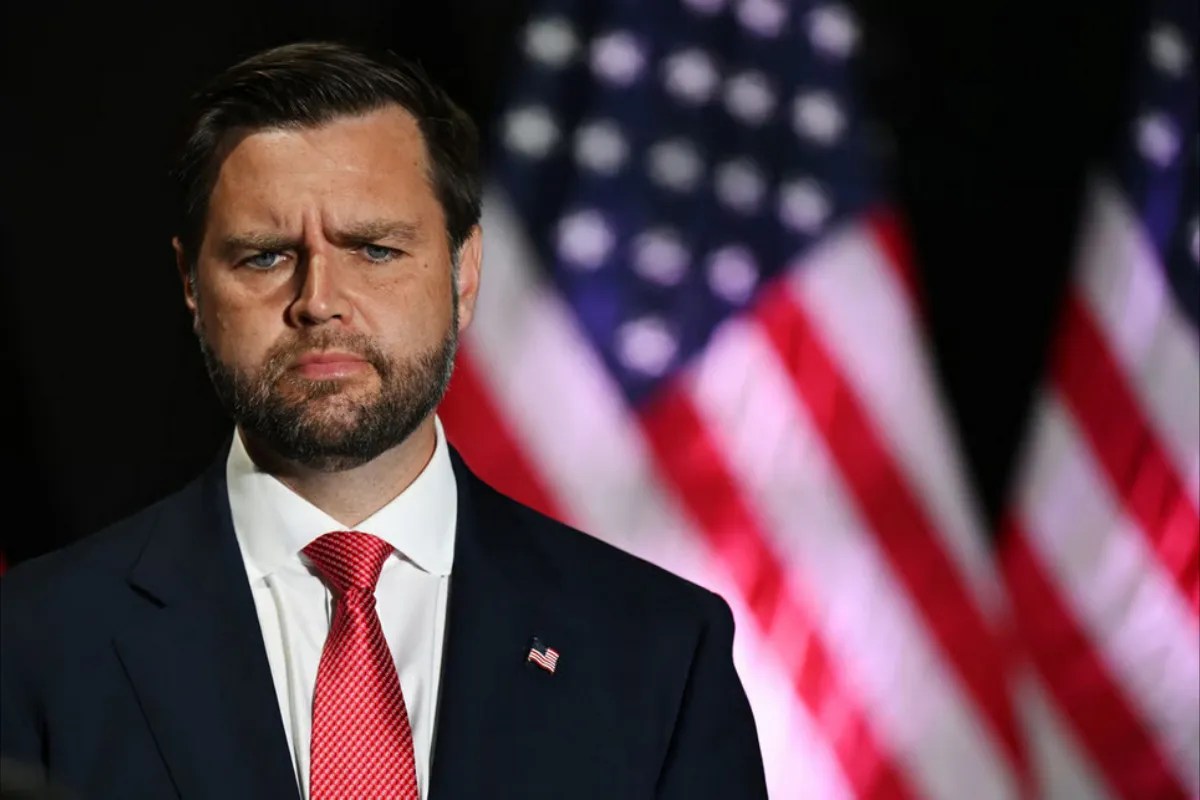
Vice President JD Vance tried to smooth things over by using some surprisingly informal language. He told reporters that the Iranians were engaging in what millennials call trash talk, and that nobody should be surprised when the president fires back. Vance claimed that despite a little bit of threatening and whining, the talks made great progress.
The American strategy relies on extreme economic pressure mixed with military threats. The US military recently downed several Iranian attack drones, and a massive naval blockade has been choking Iran's oil ports for months. The Pentagon is currently asking a deeply divided Congress for another eighty billion dollars to fund operations in the region.
Iran is negotiating with a gun to its head. That means any agreement they sign right now is a temporary survival tactic, not a genuine shift in policy.
The Oil Escrow Account and the American Farmer Benefit
To understand what is really driving this temporary peace, you have to look at the money. The US Treasury is preparing to issue a 60-day waiver that will lift sanctions on Iran's oil and petrochemical exports. This is a massive lifeline for Tehran. It allows them to legally sell oil to China again and get their hands on cash to stabilize their crashing currency.
But Trump put a massive catch in the deal. The billions of dollars in frozen Iranian assets currently sitting in Qatari bank accounts will not be handed over directly to Tehran. Instead, the money goes into an escrow account controlled strictly by the United States.
Iran can only use these funds to buy specific goods. Trump explicitly stated that the money will buy food and medical supplies exclusively from the United States. He specifically named corn, wheat, and soybeans from American farmers.
This is classic Trump transactional politics. He is using Iranian oil money to subsidize American agriculture, creating a massive talking point for his domestic political base. Tehran claims they will decide how to use their assets once they are unfrozen, but the text of the memorandum says otherwise. Iran is desperately short on basic goods, and they have no choice but to play along for now.
The Maritime Reality in the Strait of Hormuz
The most immediate impact of this temporary agreement is happening at sea. As part of the talks, the US agreed to allow the vital Strait of Hormuz to remain open, easing the naval blockade that has paralyzed global shipping.
Data from maritime tracking firms shows that traffic is ticking back up. On Monday, thirty-five commercial vessels crossed the strait, making it the busiest day since the war began.
But don't assume the shipping crisis is over. That traffic level is still only about a third of what it was before the war. Furthermore, the waterway is literally a minefield. Marine salvage crews estimate that at least eighty naval mines are still blocking various shipping routes throughout the strait. Clearing those mines will take weeks, if not months.
Iran's military commanders have also made it clear that the strait will never return to pre-war conditions. They intend to maintain strict, permanent control over who passes through. Trump has kept US warships in the area, ready to reinstitute the blockade at a moment's notice. If a single commercial tanker hits an uncleared mine or gets seized by the Islamic Revolutionary Guard Corps, the war starts right back up.
How to Navigate the Next Sixty Days of Middle East Volatility
We are now living in a high-stakes, sixty-day window. The memorandum of understanding signed last week is just a framework. Technical experts from the US, Iran, Qatar, and Pakistan are staying behind at the Lake Lucerne resort to figure out the actual details. They have to build a verification system for the nuclear sites, manage the oil escrow accounts, and establish a political committee to oversee everything.
If you are trying to read between the lines of the news coming out of Washington and Tehran, stop looking at the political speeches. Watch the actions instead.
First, keep a close eye on the International Atomic Energy Agency. If Director General Rafael Grossi secures an actual date to visit the bombed enrichment facilities, the deal has legs. If those visits keep getting delayed by bureaucratic red tape in Tehran, the agreement is dead.
Second, monitor the deconfliction mechanism set up between Washington, Tehran, and Beirut. A lasting deal with Iran is impossible without a working ceasefire in Lebanon between Israel and Hezbollah. Iran has made a Lebanon ceasefire a non-negotiable demand. If the exchange of rocket fire across that border intensifies, the Swiss talks will collapse regardless of what Trump tweets.
The smartest move right now is to prepare for continued market volatility. Energy prices fell sharply after Trump announced the pause in military strikes, but that dip is likely temporary. This deal is built on sand. Both leaders are telling completely contradictory stories to their citizens, and eventually, those stories will collide with reality. Keep your risk exposure limited, watch the shipping volumes in the Strait of Hormuz, and don't mistake political theater for permanent peace.