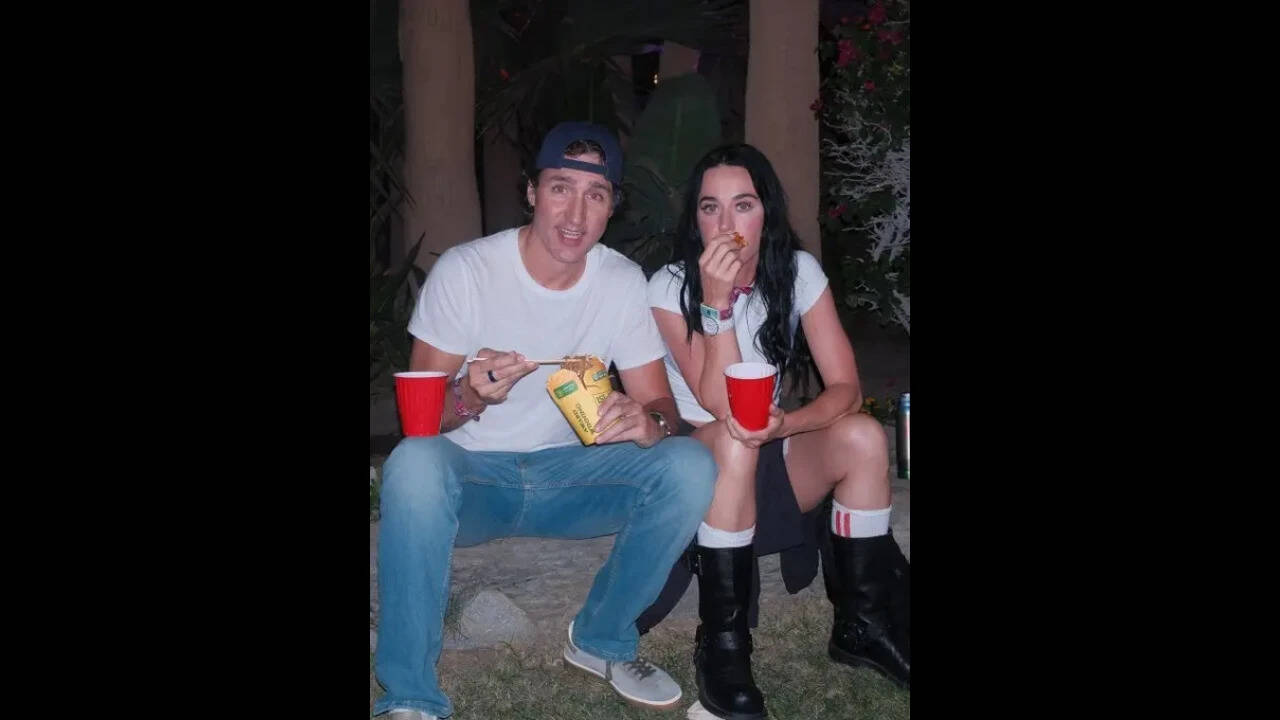
Justin Trudeau just learned a hard lesson about digital timing. The Canadian Prime Minister thought he was being a champion of democracy when he hopped on social media to celebrate the defeat of Viktor Orbán in Hungary. Instead, he walked straight into a buzzsaw of public ridicule. People didn't just disagree with his politics. They hated his vibe. The internet decided he looked less like a world leader and more like a guy trying too hard to stay relevant while everyone else was focused on his domestic failures.
The tweet itself was standard diplomatic fare. Trudeau congratulated the opposition, praised the democratic process, and signaled a shift in international relations. But the context changed everything. While Trudeau was posturing about European elections, his own country was wrestling with a cost-of-living crisis and a housing market that's basically a bonfire for young people's savings. The disconnect was jarring. You can't talk about "defending democracy" abroad when people at home feel like they can't afford groceries.
The Coachella Comparison and Why It Stung
Critics didn't hold back. The phrase "sending this from Coachella" started trending almost immediately. It’s a brutal insult. It paints the Prime Minister as a "festival politician"—someone more interested in the aesthetics of leadership than the actual work. Coachella is the ultimate symbol of performative luxury. By linking Trudeau’s post to the festival, commenters were saying he’s out of touch. They see him as someone who lives in a bubble of high-end events and global summits while regular Canadians are grinding just to keep the lights on.
It’s not just about one tweet. This is a pattern. Trudeau has built a brand on being the progressive, "cool" leader. That worked in 2015. It’s not working in 2026. When you're the face of a government that’s been in power for years, the "cool" factor starts to look like negligence. People are tired of the selfies and the carefully curated social media presence. They want results. Seeing him weigh in on Hungarian internal politics felt like a distraction tactic that backfired spectacularly.
International Meddling or Standard Diplomacy
There's a fine line between supporting global democratic values and interfering in another nation's business. Viktor Orbán has long been a lightning rod for controversy. His "illiberal democracy" model made him a villain in Western progressive circles. When he lost, leaders like Trudeau saw an opening to plant a flag for the "liberal world order."
But there’s a risk here. Hungary is still a NATO ally. It’s still part of the European Union. When a G7 leader trolls a departing or struggling head of state, it creates friction that doesn't just go away. Trudeau’s critics pointed out that he rarely shows this much energy for domestic issues that require actual grit. It’s easy to tweet about Budapest. It’s hard to fix the healthcare wait times in Ontario or the carbon tax debates in the West.
Why the Internet Loves to Hate-Watch Trudeau
Social media has a way of sniffing out inauthenticity. Trudeau’s post about Orbán felt scripted. It lacked the raw, messy energy of someone who actually cares about the Hungarian people. It felt like a checklist item. "Congratulate the guy who isn't the right-wing populist? Check."
The backlash shows a growing "Trudeau fatigue." It’s a phenomenon where even people who might agree with his policies are exhausted by his delivery. He’s become a meme. Every time he tries to be serious on the global stage, the internet pulls up his past gaffes or his current polling numbers. It’s a classic case of the messenger ruining the message. You might think Orbán’s defeat is good for the world, but if Trudeau says it, you kind of want to roll your eyes.
The Cost of Performative Politics
Politics is shifting toward the tangible. People don't care about "values" if those values don't put food on the table. Trudeau’s fixation on international optics is starting to cost him at home. Every minute spent worrying about the political direction of Eastern Europe is a minute he isn't addressing why the average Canadian house costs ten times the average salary.
The "Coachella" tag isn't going away. It’s a permanent label now. It represents the idea that the Liberal party is more concerned with how they’re perceived by the global elite than by the voters in suburban Vancouver or rural Alberta. If you’re a political strategist, this is a nightmare. You've lost control of the narrative. You’re no longer the hero of the story; you’re the out-of-touch guy at the party that everyone is making fun of behind his back.
How Leaders Can Rebuild Trust
If Trudeau wants to stop being the target of "WILD" comments, he needs a total strategy shift. He has to stop tweeting like an influencer. Real leadership in a crisis looks like boring press conferences about supply chains and interest rates. It doesn't look like snappy one-liners about foreign elections.
Voters have a high "cringe" threshold, but Trudeau is testing it. He needs to ground his communications in Canadian reality. Talk about the price of gas. Talk about the lack of doctors. If he keeps chasing the high of international praise, he’s going to find himself with a lot of fans in Paris and London, but very few votes in Toronto.
Stop checking the global pulse and start checking the local one. The next time a foreign leader loses an election, a quiet, formal statement from the Prime Minister's Office is enough. No flair. No "I'm the guardian of progressivism" tone. Just do the job. Canadians are watching, and they've shown they have zero patience for the festival-circuit vibe in a time of national anxiety. Focus on the basics or get ready for more Coachella memes during the next election cycle.