The wind in Reykjavik does not merely blow; it strips the paint from the corrugated tin of the old houses and demands to be felt. It is an honest wind, smelling of salt, ice, and something older than human memory. Standing by the harbor, watching the trawlers bob against the gray surge of the North Atlantic, you realize how small an island can feel when the winter closes in.
For centuries, this isolation was a shield. It kept out the plagues, the wars, and the endless compromises of the European mainland. But isolation has a price, and lately, the currency has grown too heavy to carry.
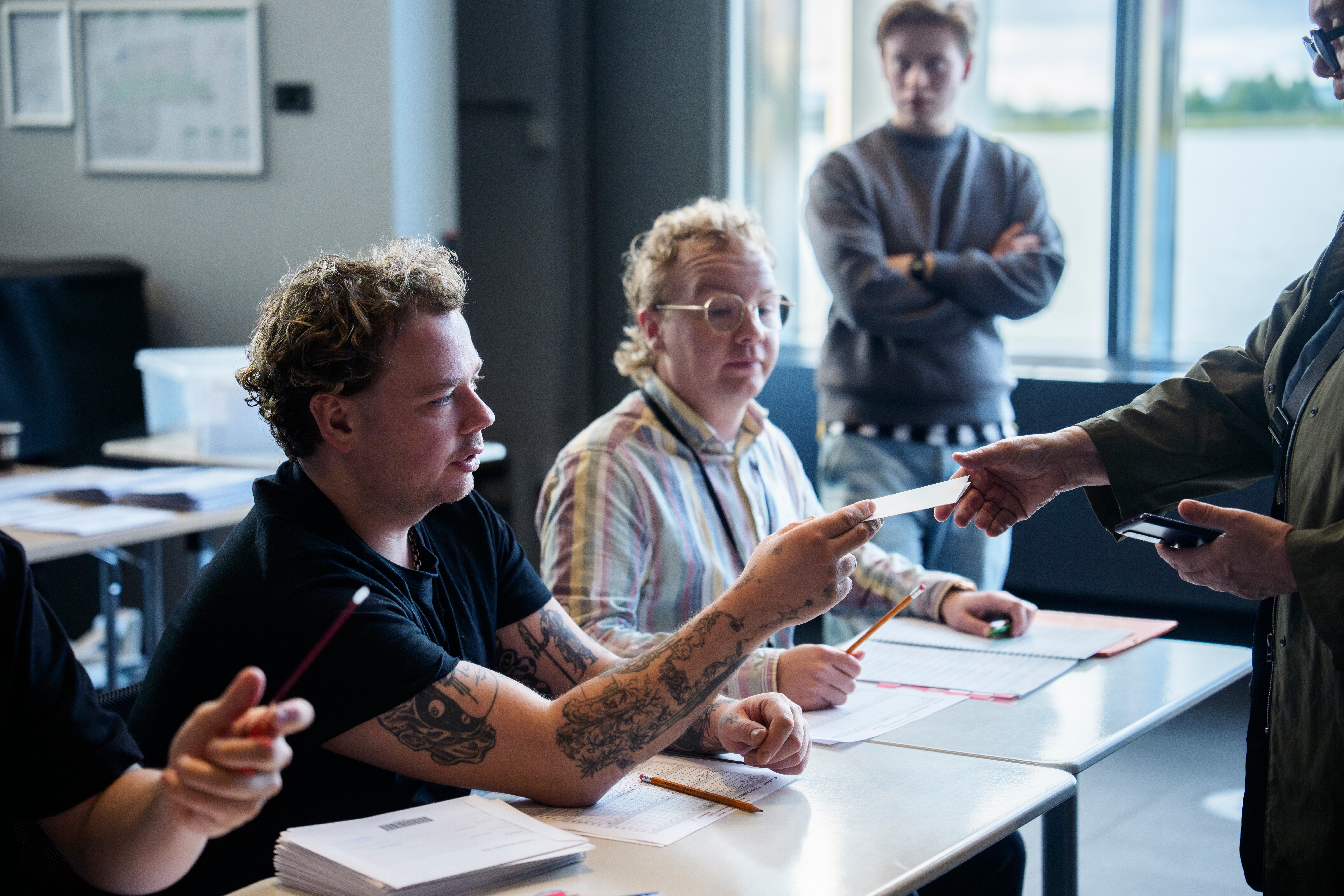
Icelanders are facing a quiet crossroads. They are being asked to decide whether they want to reopen a door they slammed shut generations ago, looking toward the sprawling machinery of the European Union. On paper, it sounds like a bureaucratic exercise. Ballots. Vote counts. Parliamentary debates about fishing quotas and currency stability.
Numbers.
Ask a fisherman whose grandfather traded salt cod for European timber, however, and you get a different story entirely.
"We bought our freedom with fish," old Einar told me over a cup of black coffee that could have dissolved a horseshoe. His hands were mapped with scars from nylon lines and frozen salt water. "Every time someone in Brussels writes a rule about our waters, they are drawing a boundary around our dinner table."
He is not wrong. To understand why Iceland keeps hesitating at the threshold of Europe, you have to understand the cod wars. These were not metaphorical battles. In the nineteen-seventies, tiny Iceland squared off against the Royal Navy of the United Kingdom, sending gunboats to cut the trawling gear of massive British ships that dared fish within the fifty-mile limit. Fishermen risked their lives in freezing swells, armed with little more than wire cutters and stubborn pride. They won. That victory forged the modern Icelandic identity. Independence was not granted; it was hauled out of the sea, dripping and cold.
So when the conversation turns to the European Union, the reflex is defensive.
Imagine handing the keys to your front door to a committee three thousand miles away. That is the fear that haunts the kitchens in the Westfjords, where villages cling to the base of sheer basalt cliffs like barnacles. People worry about the Common Fisheries Policy. They worry that their primary resource—the pulsing heart of their economy—will be managed by bureaucrats who have never smelled the gutting floor of a processing plant.
Yet, walk down Laugavegur street in the capital, and the air changes.
Young entrepreneurs sip oat milk lattes in minimalist cafes, talking about software exports, venture capital, and the suffocating volatility of the Icelandic króna. When inflation spikes and interest rates climb, the cost of living on an isolated volcanic rock becomes painfully obvious. To import fresh produce, medical supplies, or specialized machinery means paying a punishing premium.
"The króna is a relic," argued Katrin, a thirty-year-old fintech developer who was born the year her country narrowly voted to stay out of the EU the last time around. "We are trying to run a twenty-first-century digital economy with a currency that acts like a yo-yo. Joining the eurozone isn't about losing our identity. It is about survival in a global market."
This is the tension pulling the island apart at the seams.
On one side lies the romantic ghost of absolute sovereignty. The idea that Iceland is a sanctuary, untouched and self-determined, answering to no one. On the other lies the pragmatic reality of the modern world. Climate change is shifting fish stocks north. Global supply chains are fracturing. Inflation does not care about Viking heritage.
The debate over EU membership flares up whenever the economy stumbles, only to freeze again when the terms of integration are scrutinized. Critics point to Norway, which sits comfortably in the European Economic Area, trading freely without surrendering control over its fish and its oil. Why not that? Why not the middle ground?
Because the European Union rarely offers middle grounds. It offers systems. It asks for alignment.
Consider what happens next when a small nation integrates with a superpower bloc. Laws harmonize. Small domestic regulations give way to continental directives. For a nation of less than four hundred thousand people—where everybody truly is separated by only two degrees of kinship—the fear of cultural dilution is visceral. Will the Icelandic language survive the influx of continental corporate culture? Will the sagas still be taught with the same reverence when the youth are scrolling through feeds dominated by pan-European trends?
Languages do not die overnight. They starve slowly from neglect.
And yet, young Icelanders are already European in every way that matters. They study in Copenhagen, vacation in Berlin, and stream movies from London. They do not feel the ancient bitterness toward the continent that their grandparents harbor. They see opportunity. They see stability. They see a way to buy a home without drowning in mortgage interest.
The political class dances around the issue like skaters testing thin spring ice. Prime ministers commission studies. They form committees. They delay referendums because they know that whatever the outcome, half the country will wake up feeling like strangers in their own home.
History whispers a warning here. Nations that isolate themselves too long wither from within. But nations that dissolve into empires forget who they were before the flags were lowered.
Out on the Reykjanes peninsula, the earth itself has been restless lately. Volcanoes have roared to life after sleeping for eight centuries, spewing rivers of molten orange rock across highways and threatening power plants. The sky glows a dull, bruised crimson at night.
Standing there, watching the earth tear open, you are reminded of the fundamental truth of life in the North Atlantic. You do not conquer this place. You negotiate with it. You survive it together.
Whether Iceland eventually casts its lot with Brussels or chooses to stand alone against the gale, the real test is not written in trade agreements or currency codes. It lives in the quiet resilience of people who learned centuries ago how to coax life from stone and sea, and who now must decide whether the horizon is wide enough to share.
The tide rolls in, heavy and cold, washing over the black volcanic sand. The gulls wheel against the gray clouds. The vote will come, or it will pass by, but the wind will still blow across the glaciers, indifferent to parliaments, whispering only of the deep, restless sea.