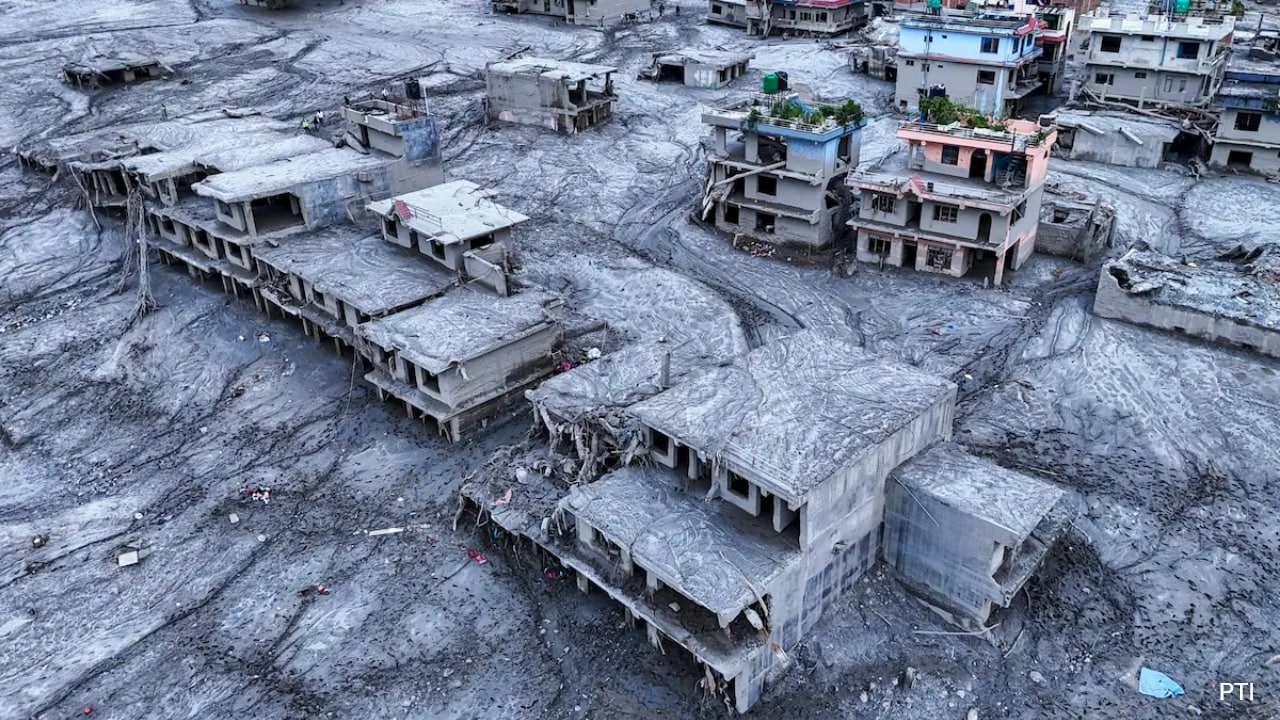
A wall of grey debris detonates down a ridge, tourists scatter in blind panic, and mobile phones capture the chaos from a hundred trembling angles. Within hours, the footage loops across global news networks. The framing is always the same. Media outlets treat massive rockfalls as sudden acts of meteorological vengeance, unpredictable punctuation marks written by an unforgiving earth.
This framing is lazy. It is also dangerous. Don't miss our previous article on this related article.
Catastrophic slope failures do not materialize out of thin air. They are the cumulative product of chronic environmental stress, historical infrastructure neglect, and the systematic miscalculation of risk in high-altitude tourism zones. When a hillside gives way above a crowded scenic overlook, the disaster is rarely an unforeseeable tragedy. It is usually a mechanical audit that the mountain finally decided to pass.
The Anatomy of a Collapse
To understand why tourist infrastructure frequently intersects with geological disaster, one must look past the dramatic dust clouds and examine the mechanics of rock mass degradation. Slopes do not simply decide to fall. They fail along pre-existing structural weaknesses, which geologists call discontinuities. These include joints, fractures, and bedding planes where the rock has already lost its tensile strength. If you want more about the background of this, NBC News provides an informative breakdown.
Water acts as the primary catalyst. When unseasonably heavy precipitation or rapid snowmelt infiltrates these fractures, it exerts immense hydrostatic pressure against the surrounding stone. Imagine filling a vertical crack with liquid wedge hammers. As water accumulates, it pushes the rock faces apart while simultaneously lubricating the base of the slide block, reducing friction until gravity takes over.
Thermal stress accelerates this internal decay. In regions experiencing rising global temperatures, the frequency of freeze-thaw cycles shifts dramatically. Water enters micro-cracks during the day, freezes at night, expands by roughly nine percent, and pries the stone apart grain by grain. Over decades, this process turns solid cliffs into unstable masonry stacked precariously over popular walking trails.
The Human Factor in Geological Zones
Nature provides the physics, but human ambition provides the exposure. Economic pressure drives the expansion of tourist facilities closer to geological hazard zones. Cable car stations, viewing platforms, and access roads are routinely built at the toes of unstable slopes because those locations offer the most dramatic vistas.
Engineering solutions often create a false sense of security. Rock bolts, shotcrete applications, and wire mesh drapery are deployed to stabilize dangerous cliffs above visitor centers. These interventions work, right up until they do not. Shotcrete traps subsurface moisture if drainage holes clog, turning a treated slope into an unmonitored pressure cooker. Wire mesh catches smaller debris, masking the slow, deep-seated deformation happening higher up the ridge.
Maintenance budgets rarely match the scale of the threat. Public land management agencies face a persistent funding gap, prioritizing visitor amenities over subsurface monitoring. Tiltmeters, crack extensometers, and acoustic emission sensors cost money. They do not generate revenue. Consequently, many high-risk tourist corridors rely on visual inspections conducted by park rangers who possess plenty of enthusiasm but lack formal geotechnical training.
The Economics of Evacuation
Closing a premier tourist destination because of elevated landslide risk sounds simple in theory. In practice, it triggers a fierce economic battle. Local economies depend entirely on the seasonal influx of visitors. Municipal leaders, hotel owners, and tour operators push back aggressively against precautionary closures, demanding absolute proof of imminent danger before doors are locked.
Geological risk defies neat probabilities. Scientists can identify factors that increase susceptibility, but predicting the exact hour or minute of a major structural failure remains an elusive goal. This uncertainty paralyzes decision-makers. Erring on the side of caution means losing millions in tourist revenue for an event that might manifest days later or not at all. Erring on the side of commerce risks lives.
When governments hesitate, the burden shifts to the individual traveler. Relying on tourists to assess geotechnical stability is an absurdity. A visitor staring up at a jagged limestone peak sees majesty, not a complex vector of shear stress and pore-water pressure. Expecting them to recognize the subtle precursors of a massive slope failure—such as newly widened fissures, turbid water weeping from rock faces, or the faint, ominous ping of snapping stone roots—is a failure of institutional duty.
Rethinking Mountain Safety
Mitigating the threat of catastrophic rockfalls requires a fundamental shift in how tourist regions manage mountainous terrain. First, the standard practice of reactive cleanup must end. Clearing debris from a road after a slide and reopening the asphalt a week later addresses the symptom while ignoring the disease.
Monitoring infrastructure needs modernization. Modern remote sensing technologies, including terrestrial laser scanning and satellite-based interferometric synthetic aperture radar, can detect millimeter-scale surface displacement weeks before a collapse. Integrating these diagnostic tools into high-traffic tourism corridors transforms risk management from guesswork into science.
Zoning laws must also evolve. If a slope demonstrates chronic instability, the answer cannot be a bigger fence or a warning sign absolving the park service of liability. Certain vistas must be designated off-limits, permanently returning high-risk zones to nature.
The next time a mountain breaks apart on a morning news broadcast, do not look at it as a bolt from the blue. Look at the balance sheet, the zoning permits, and the deferred maintenance logs buried in a municipal office. That is where the landslide actually started.