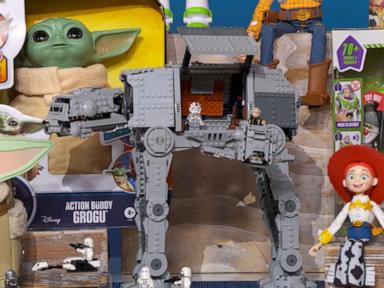
Hollywood is trapped in a multi-billion-dollar hallucination. Every summer, studio executives look at their theatrical release schedules, look at the upcoming toy catalog, and confidently predict a massive wave of consumer synergy. This year is no different. The corporate PR machine is already spinning tales about how the latest wave of plastic figurines, remote-control vehicles, and branded foam blasters will magically convert movie ticket sales into retail gold.
The industry consensus is comforting. It tells us that children watch a film, fall in love with the characters, and immediately demand the physical merchandise. It suggests that a high-grossing film automatically guarantees a high-grossing toy line.
It is a beautiful story. It is also entirely wrong.
The physical movie toy is facing a terminal decline, and the current slate of entertainment-backed merchandise is less a goldmine and more a high-risk gamble that most retailers are destined to lose. The traditional cycle of movie-to-toy conversion is broken. The faster the industry admits it, the sooner it can stop burning capital on plastic that nobody wants.
The Mirage of Cinematic Synergy
For decades, the standard playbook was simple. A studio spent hundreds of millions of dollars producing and marketing a blockbuster film. Toy companies paid massive licensing fees for the rights to manufacture action figures and playsets based on that intellectual property. The film acted as a massive, two-hour commercial for the product line.
I have watched consumer product divisions sink tens of millions of dollars into these licensing agreements, operating on the assumption that box office momentum guarantees retail velocity. This assumption ignores a fundamental shift in how the primary demographic interacts with entertainment.
When Star Wars exploded onto the scene in 1977, physical toys were the primary medium through which a child could re-create and extend the cinematic experience. There were no streaming services, no smartphones, and no immersive digital worlds. The plastic action figure was the only interactive gateway available.
Today, that gateway is digital. When a child leaves a theater after watching a massive superhero film or an animated sequel, they do not want to hold a static plastic figurine and simulate a battle using their imagination. They want to log onto their console or mobile device and control that character in a high-fidelity digital space.
Physical toys are an analogue solution to a digital demand. The real monetization of modern film properties happens via virtual skins, digital battle passes, and interactive expansion packs. Expecting a traditional action figure line to carry the financial weight of a modern film franchise is like expecting vinyl records to drive the modern music industry. It is a niche collectors' market masquerading as mass-market retail.
The Devastating Retail Reality of Shelf Warmers
Look closely at the retail environment. For every licensed product that flies off the shelves, dozens of others end up on the clearance rack, heavily discounted just to free up valuable inventory space.
The lifecycle of a modern movie is incredibly compressed. A film dominates the cultural conversation for two to three weeks before being swallowed by the next streaming release or viral trend. Yet, the supply chain required to manufacture and distribute physical toys requires months of lead time.
This creates an inherent systemic mismatch:
- Lagging Supply Chains: Production schedules require toy manufacturers to commit to volume estimates long before a film's quality or reception is known.
- Hyper-Compressed Lifecycles: If a movie underperforms or fails to capture the cultural zeitgeist during its opening weekend, retailers are stuck with massive amounts of unmovable inventory.
- Inventory Stagnation: These items become "shelf warmers"—products that take up retail space, tie up capital, and force heavy losses via liquidations.
Consider the recent history of major spin-offs and animated features. Studios assumed that historical brand equity would automatically translate to toy sales. Instead, retailers were left with aisles of untouched action figures and plush dolls that eventually had to be sold to discount outlets for pennies on the dollar. The brand name on the box did absolutely nothing to save the product from consumer indifference.
The Misunderstood Rise of Kidults
Defenders of the traditional model point to the recent growth figures in the toy sector, specifically citing the surge in collectible sales. They argue that if toy sales are up, the movie tie-in model must still be viable.
This argument conflates two completely different consumer segments. The growth observed in the toy industry is not being driven by children playing with movie merchandise. It is being driven by adult collectors—frequently referred to as "kidults"—who buy high-end, expensive items to display on shelves rather than to play with.
+-------------------------+-------------------------+
| Children's Play Market  | Adult Collector Market  |
+-------------------------+-------------------------+
| - Driven by playability | - Driven by nostalgia   |
| - Low price tolerance   | - High price tolerance  |
| - High digital churn    | - Prefers physical items|
| - Short interest cycle  | - Long-term retention   |
+-------------------------+-------------------------+
This distinction changes the economics of production. Adult collectors demand premium materials, intricate articulation, and highly detailed packaging. They are willing to pay a premium, but they buy in significantly lower volumes than a mass children's market would support.
When a toy company manufactures millions of low-cost, low-detail plastic figurines intended for children, they cannot pivot those products to the adult collector market when the children show no interest. The adult consumer will not buy a cheap plastic toy designed for an eight-year-old. By attempting to serve both markets with a single strategy, manufacturers end up satisfying neither.
The High Cost of Licensed Intellectual Property
The financial structure of licensed toy manufacturing is fundamentally punitive to the manufacturer. Securing the rights to a major Hollywood franchise requires a massive upfront guarantee against future royalties. This means the toy company is taking on nearly all the financial risk.
If the film succeeds, the studio takes a massive cut of every toy sold. If the film bombs, the toy company is still on the hook for the guaranteed licensing fee, in addition to the manufacturing, logistics, and storage costs of the unsold merchandise.
This structure leaves zero margin for error. In an economic climate marked by fluctuating material costs and unpredictable shipping rates, the added burden of an expensive entertainment license makes physical movie merchandise one of the least profitable sectors in retail.
The companies that are actually thriving in the modern toy market are often those relying on original, non-licensed properties or brands that built their reputation on structural play value rather than cinematic hype. A modular building set or an innovative creative toy does not rely on a $200 million marketing campaign from a movie studio to justify its existence on a retail shelf. It sells because the intrinsic play value is clear.
Dismantling the Synergy Premise
The core question driving the industry needs to be completely rephrased. Executives keep asking: How do we design toys that match the biggest movies of the summer?
The correct question is: Why are we still assuming that a movie is the best vehicle to sell a physical toy?
The premise that cinematic narrative drives physical play is an outdated relic of twentieth-century marketing. Today, the reverse is far more likely to be true. Video games, digital content creators, and native toy brands are driving narrative entertainment, not the other way around.
When a film franchise attempts to force a physical merchandise line onto an audience that has already migrated to digital alternatives, it isn't generating synergy. It is simply generating plastic waste. The industry needs to abandon the lazy consensus that blockbusters automatically create retail magic. Until it does, the clearance aisles of the world will continue to be filled with the expensive, unwanted remnants of Hollywood's favorite illusion.