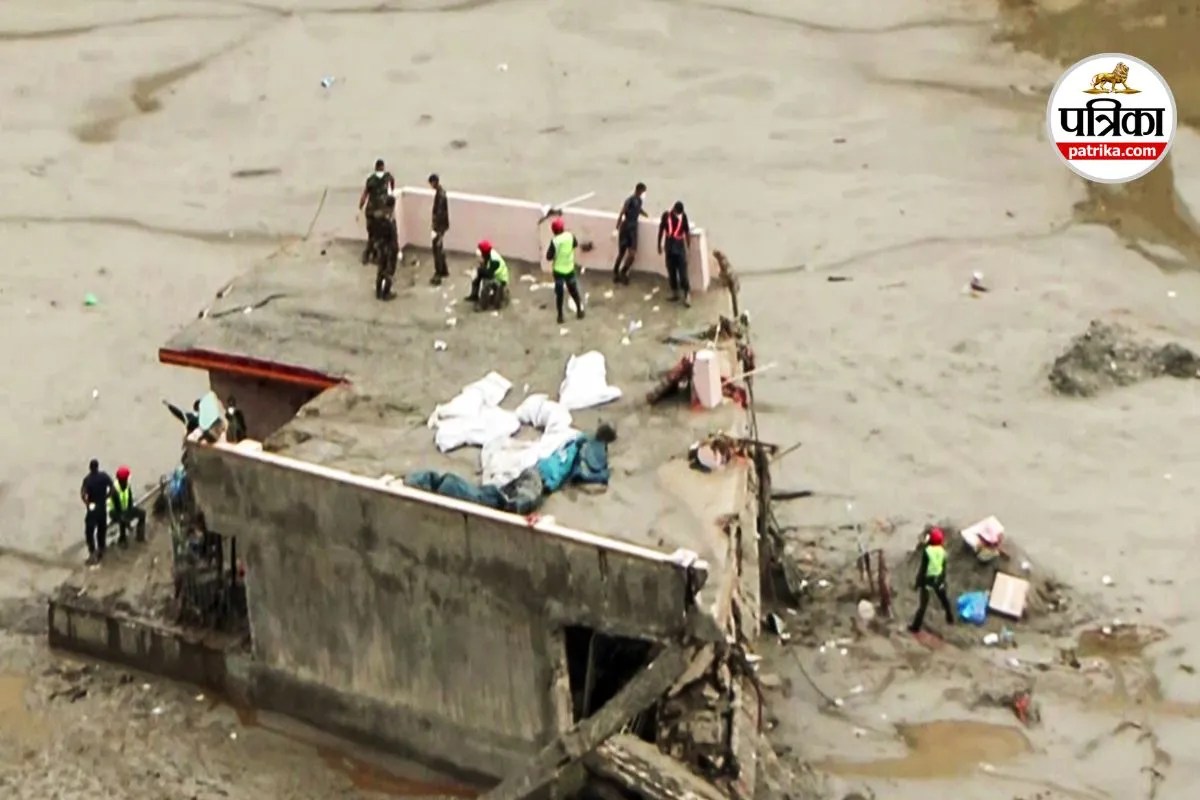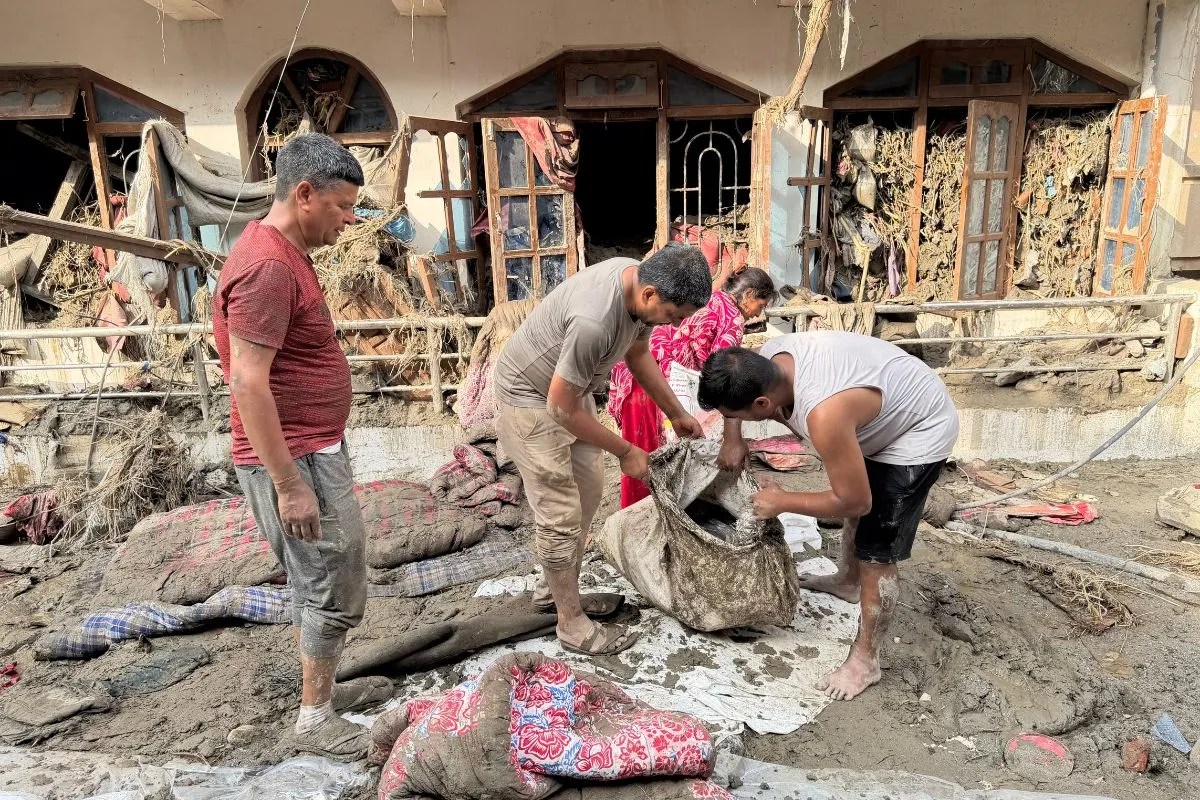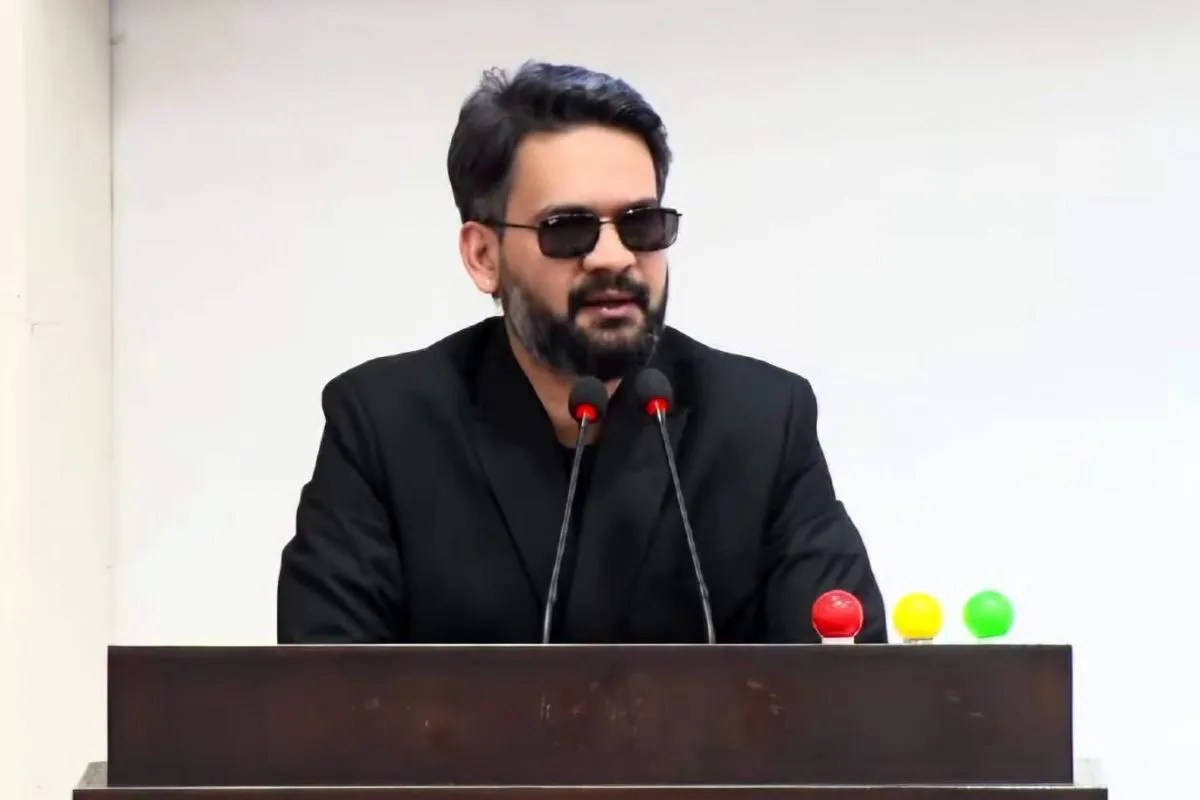
Every monsoon season, the headlines write themselves. Rivers swell, houses wash away, the death toll climbs into the thousands, and the international community scrambles to ship bags of rice and plastic tarps. The media screams for tears. Politicians pose for cameras in muddy boots, demanding national solidarity and endless reserves of human courage.
Stop crying. Stop praising the resilience of people wading through waist-deep sewage.
Resilience has become a polite euphemism for government failure. When a state relies on the spiritual fortitude of its citizens to survive annual weather patterns that have been mapped for centuries, the system is not just broken. It is predatory. The standard narrative surrounding disasters like the recent floods in Nepal—focusing exclusively on the tragedy of lost lives, missing thousands, and the emotional appeals of leaders—misses the root mechanical failure entirely. We treat structural incompetence like an act of God.
The Lazy Consensus of Tragedy
Open any mainstream report on South Asian monsoons, and you get the exact same script.
First, the numbers. Thousands dead, thousands missing, infrastructure crippled. Then, the emotional hook. Heartbreaking photos of children on rooftops, elders clutching surviving belongings. Finally, the political soundbite. Leaders calling for unity, prayer, and international donations.
This script is a narcotic. It drugs the public into accepting a cycle of destruction as inevitable.
The lazy consensus claims that climate change alone is the villain, making these weather events an unavoidable lottery of geography. It suggests that disaster management is purely a logistical race against time: drop more food packets, build bigger temporary shelters, and clap for the volunteers who pull bodies from the mud.
This perspective is dangerously wrong. It treats a failure of urban planning, zoning enforcement, and bureaucratic inertia as a meteorological inevitability.
Imagine a scenario where a contractor builds a skyscraper on a known fault line using cardboard, and when it collapses in a minor tremor, the authorities praise the survivors for their grit while asking for donations to buy more cardboard. That is precisely how disaster relief operates in developing mountain economies.
The Economics of Incompetence
Let us talk about the mechanics of how money and aid actually move during a crisis. I have watched capital flow into disaster zones across developing regions for years. I have seen millions evaporate into administrative bloat, opaque procurement chains, and short-term band-aids that wash away with the very next downpour.
Emergency aid is a multi-million-dollar PR machine. It rewards crisis, not prevention.
When a river overflows because local authorities sold permits to developers who paved over natural floodplains, that is not nature striking back. That is municipal corruption meeting engineering illiteracy. When roads collapse because the bitumen was watered down to pad a political campaign fund, that is a crime scene, not a natural disaster.
Yet, when the floods hit, the entire apparatus swings into gear to manage the symptoms while ignoring the pathogen.
[Traditional Cycle]
Monsoon Hits -> Panic -> Emotional Appeals -> Band-Aid Aid -> Repeat

[Required Reality]
Monsoon Expected -> Zoning Laws Enforced -> Structural Mitigation -> Zero Crisis -> Progress
If you keep subsidizing the cleanup without penalizing the architects of the vulnerability, you are underwriting the next disaster. Every bag of foreign rice dropped into a flood zone without a concurrent audit of upstream deforestation and illegal riverbed mining is an investment in future burials.
Dismantling the Courage Myth
Politicians love courage because courage is free. When a mayor or a prime minister stands before a devastated district and declares that the country needs grit and tears, they are shifting the burden of accountability from the office to the street.
Courage is what you ask for when you have run out of competence.
A functioning state does not require its citizens to demonstrate Herculean endurance against predictable seasonal hazards. A functioning state builds reinforced river embankments, enforces strict geological zoning, maintains early warning systems that actually reach remote valleys, and jails the corrupt officials who sign off on shoddy infrastructure.
When we applaud the mother who holds her child above the muddy torrent for twelve hours, we are romanticizing systemic collapse. We are turning a municipal indictment into a Hallmark card.
The brutal truth is that many lives lost in these floods were stolen long before the first raindrop fell. They were stolen by zoning boards that approved settlements in high-risk alluvial fans. They were stolen by politicians who diverted disaster mitigation funds into electoral pork-barrel projects. They were stolen by an entire administrative culture that views human life as an acceptable loss item on a seasonal balance sheet.
The Unconventional Prescription
If you actually want to save lives in regions prone to catastrophic monsoons, you have to abandon the humanitarian playbook and adopt a cold, unyielding operational framework.
First, criminalize administrative negligence during natural disasters. If a bridge collapses that was certified safe three months prior, the engineer and the oversight official should face mandatory prison sentences, not internal inquiries. Accountability must have teeth sharp enough to draw blood.
Second, freeze unconditional emergency relief that does not require structural reform. Donors must tie every dollar of flood assistance to strict land-use policy enforcement. If a local government refuses to clear illegal settlements out of river channels, cut off their funding. Compassion without condition is just complicity.
Third, decentralize early warning systems down to the village level using localized mesh networks, rather than relying on top-down state broadcasts that arrive after the bridges are gone. Give local populations actionable data, not inspirational speeches.
Stop crying over the river. Stop praising the people who swim in it. Fix the laws upstream, or buy more body bags.