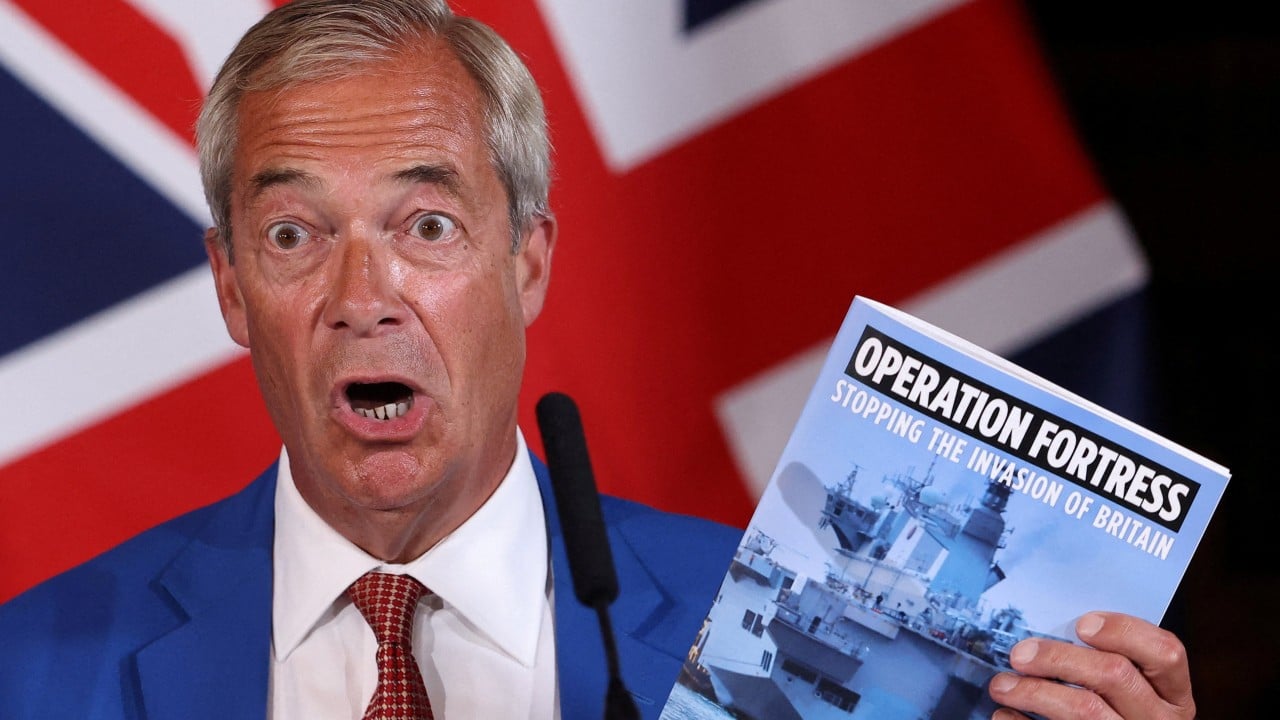
Nigel Farage and the hard-right Reform UK party just dropped a policy proposal that promises to completely upend British border policy. Under a banner they call "Operation Fortress," the party vows to launch what they describe as the largest military operation in the English Channel since the Second World War.
If they win power, Royal Navy vessels would intercept unauthorized small boats carrying migrants and escort them back to France or Belgium. It is a bold, aggressive stance designed to capture headlines and appeal directly to voters frustrated by ongoing border issues. But can it actually work? Or is it political theater built on empty promises?
What Operation Fortress Entails
The details laid out in Reform UK's 28-page policy document outline a major shift in how maritime security operates. Instead of relying solely on Border Force cutters, the plan calls for a joint military command. This command would pull units from the Royal Navy, Royal Marines, Army, and Royal Air Force together into a single surveillance and interception network.
Reform specifies that the Navy's River-class offshore patrol vessels would handle the intercept work. These ships would track dinghies, pull occupants aboard, provide food, water, and medical assessments, and then return them under armed escort to the European continent.
Zia Yusuf, the party's home affairs spokesperson, didn't mince words during the press conference launching the plan. He argued that traditional governance has treated the crisis like a ferry service and that only military might can secure the border.
Why Defence Experts Are Sceptical
Military analysts and former commanders are already pushing back hard against the feasibility of this blueprint. Former Royal Navy commander Tom Sharpe pointed out a glaring logistical hurdle: using specialized warships for migrant ferry duties is an extreme waste of military assets.
Furthermore, the Royal Navy currently relies on its River-class ships for crucial national defense tasks, such as monitoring Russian naval activity in British waters. Pulling these vessels away for continuous Channel patrols would leave massive gaps elsewhere.
Another massive obstacle involves international cooperation. France has repeatedly stated that French sovereignty prevents UK vessels or officers from conducting law enforcement operations on French beaches or territorial waters.
When asked how Reform plans to handle a flat refusal from Paris, Yusuf suggested that Royal Marines would simply disembark migrants on the exact shores they left that morning. Critics note that forcing foreign landings without consent violates international law and risks an unprecedented diplomatic meltdown with European neighbors.
Political Context and Public Reaction
This policy launch comes at a critical time for Reform UK. After holding a strong lead in opinion polls for months, the party has recently slipped behind Labour. They are also facing internal scrutiny over political donations and financial transparency.
Rival parties wasted no time tearing the proposal apart. Conservative critics labeled the strategy a hollow gimmick lacking serious funding or logistical backing. Meanwhile, government officials pointed out that the Royal Navy previously held operational primacy for small boats back in 2022 under Operation Isotrope, and crossings did not drop during that period.
Prime Minister Andy Burnham's administration maintains that targeted cooperation and specialized border patrol officers remain the most effective tools for driving down crossings. Current numbers show that arrivals have dropped compared to previous years, though high-profile spikes continue to draw intense public focus.
Whether Operation Fortress ever moves from political rhetoric to reality depends entirely on future election results and shifting political landscapes. For now, it serves as a stark reminder of how deeply immigration policy divides the nation.
Watch Nigel Farage unveil the plan on YouTube
This video captures the live press conference where Reform UK leaders detailed their controversial maritime strategy and took questions from the press.