The rain in Vancouver does not fall so much as it settles, a heavy, gray mist that gets into the wool of your coat and stays there until you smell of wet pavement. On a damp Tuesday evening outside a municipal staging area, the air smelled of exhaust and damp concrete. A crowd of reporters stood shivering behind a metal barricade, their breath pluming in the headlights of idling SUVs.
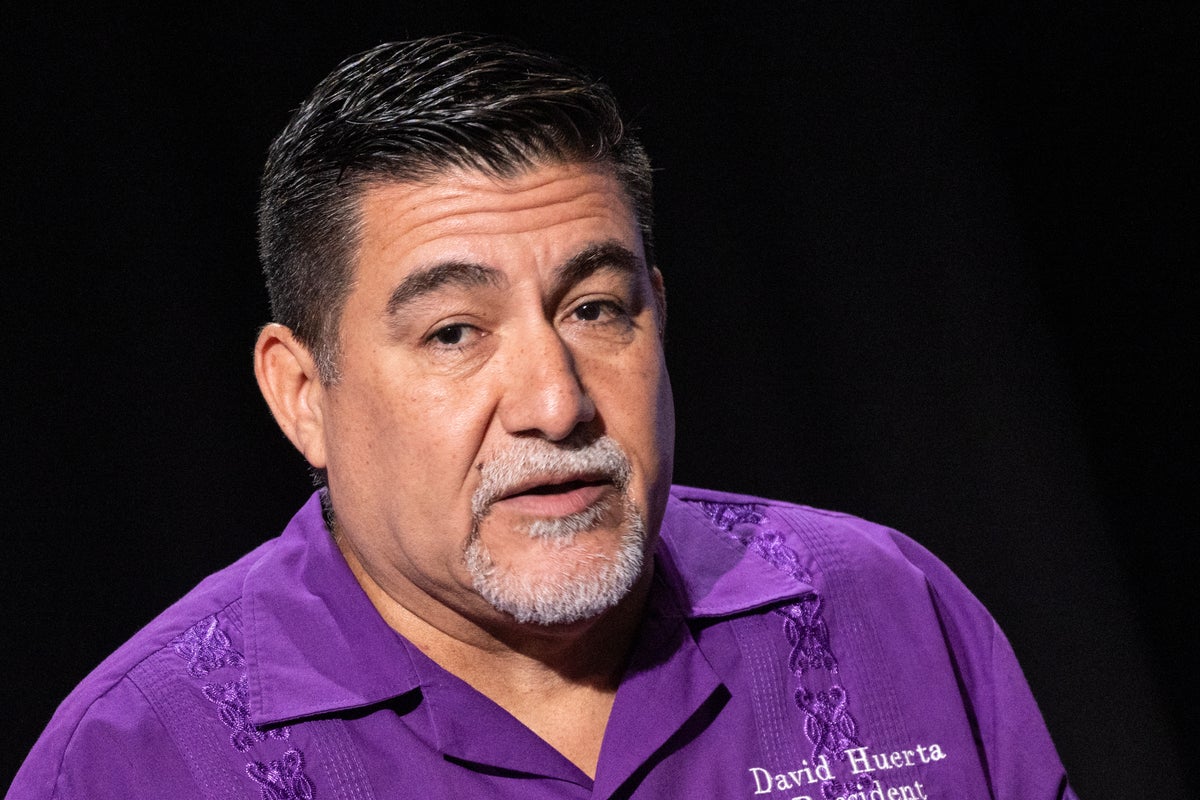
They were waiting for a man who had built his career on speaking loudly for others.
When the union president emerged from the side doors, his stride was brisk, purposeful, and entirely deafening to the shouted questions bouncing off the brick walls. He did not slow down. He did not meet the gaze of the camera lenses tracking his every step. A quick pivot, the heavy thud of a car door sealing shut, and the taillights dissolved into the slick grid of downtown traffic.
Silence.
That silence was not merely an awkward exit. It was a structural failure. When labor leadership intersects with municipal politics, the lines between representation and influence blur into something opaque. And opacity breeds a very specific kind of civic vertigo.
Let us step back for a moment and look at the machinery beneath the surface.
In municipal elections, money moves like water—quietly, finding the lowest points, pooling where the weight is heaviest. When a high-profile union president becomes entangled in the financial and strategic apparatus of a contentious city council campaign, the stakes transcend standard labor advocacy. This is not about the price of a transit pass or the hourly rate of a sanitation worker. This is about governance. This is about who holds the pen when zoning laws are drafted and municipal budgets are carved up.
I remember standing in a drafty union hall back in 2018, watching delegates vote on political action funds. The room smelled of stale coffee and damp linoleum. A veteran carpenter leaned over to me and muttered a truth that has stuck in my teeth ever since: "When the leadership buys a seat at the table, make sure you check the menu. Because if you are not eating, you are probably on it."
That carpenter was not cynical; he was realistic. Labor unions are vital counterweights in a market-driven economy. They give collective teeth to individual vulnerability. But when those teeth are deployed behind closed doors to shape city council outcomes without public transparency, the friction between collective bargaining and public accountability turns toxic.
Consider what happens next when the questions are dodged.
When a leader refuses to answer inquiries regarding campaign contributions, strategy alignment, or internal resource allocation, suspicion fills the vacuum. It is a psychological law of nature. If you will not tell the public how your influence was spent, the public will invent a narrative for you—and it is rarely charitable.
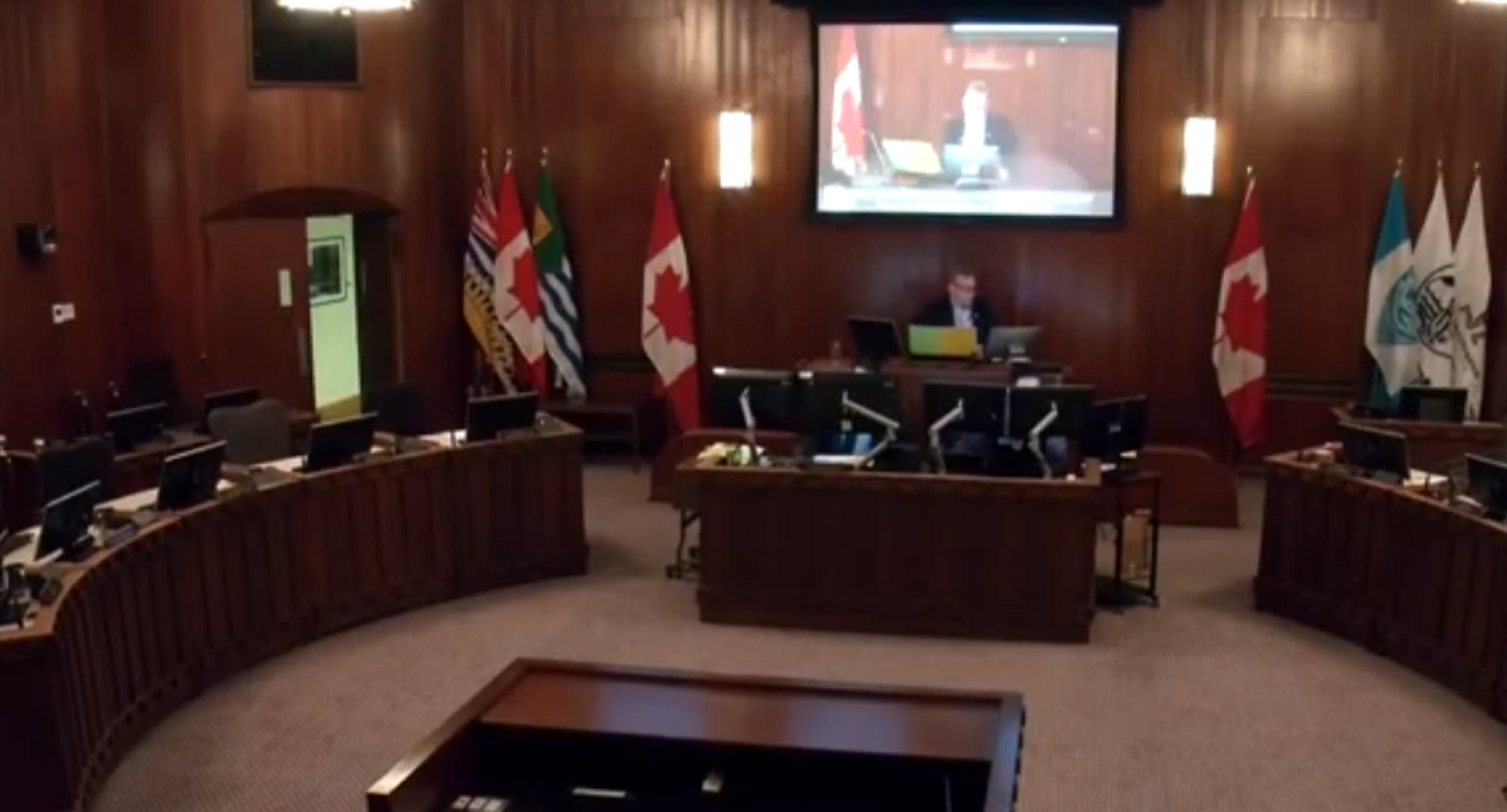
Municipal councils in cities like Vancouver sit at the bleeding edge of housing crises, cost-of-living spirals, and infrastructure strain. Every dollar spent on an election campaign, every endorsement traded in a smoke-filled backroom, has a downstream effect on the citizens trying to scrape together rent in a fractured market. When the leader of a massive labor organization ducks microphones over political entanglements, they are not just protecting a campaign strategy. They are erecting a wall between the governed and the governors.
Trust is fragile. It is earned in drops and lost in buckets.
For months, local journalists have tried to piece together the financial architecture behind the controversial council push. Was union dues money diverted into political pacs? Were directives issued from executive suites that bypassed the rank-and-file membership? These are not gotcha questions designed for a morning talk show. These are fundamental audit points of a healthy democracy.
Imagine a hypothetical scenario, if you will, to understand the mechanics at play. (Note: This is an analytical model, not an accusation of specific events.) Picture a large municipal union representing thousands of workers—transit operators, librarians, park maintenance staff. Each month, a portion of their hard-earned wages is automatically deducted to support workplace safety and contract negotiations. Now picture a fraction of that capital quietly being funneled into independent expenditure committees backing specific city council candidates. If those candidates win, they hold sway over municipal labor negotiations. The loop closes. The union is essentially bargaining with a council it helped finance into power.
That is not representation. That is an enclosed loop of self-interest.
And that is why the silence stings so deeply.
When the press called, the phone rang into an empty room of voicemails. When reporters cornered him outside the municipal hall, the response was a set jaw and a accelerating stride. This defensive crouch sends a chilling message to the very members paying the freight. It whispers: We know better than you do. We decide where the boundaries of accountability lie.
History tells us that organizations operating in the shadows eventually trip over their own secrets. Power loves a vacuum, but accountability abhors it. Whether the dust settles through formal inquiries, leaked financial disclosures, or internal membership revolts, the truth has a stubborn habit of dragging itself into the light.
The rain continues to fall on Vancouver. The neon signs bleed into the wet asphalt of Cambie Street. Somewhere in an office downtown, strategy memos are being shredded or filed away, and phones are being switched to voicemail.
The microphones will be set up again tomorrow. The reporters will wait in the cold. And the question hanging in the damp air will remain, heavy and unyielding, waiting for a voice brave enough to break the quiet.