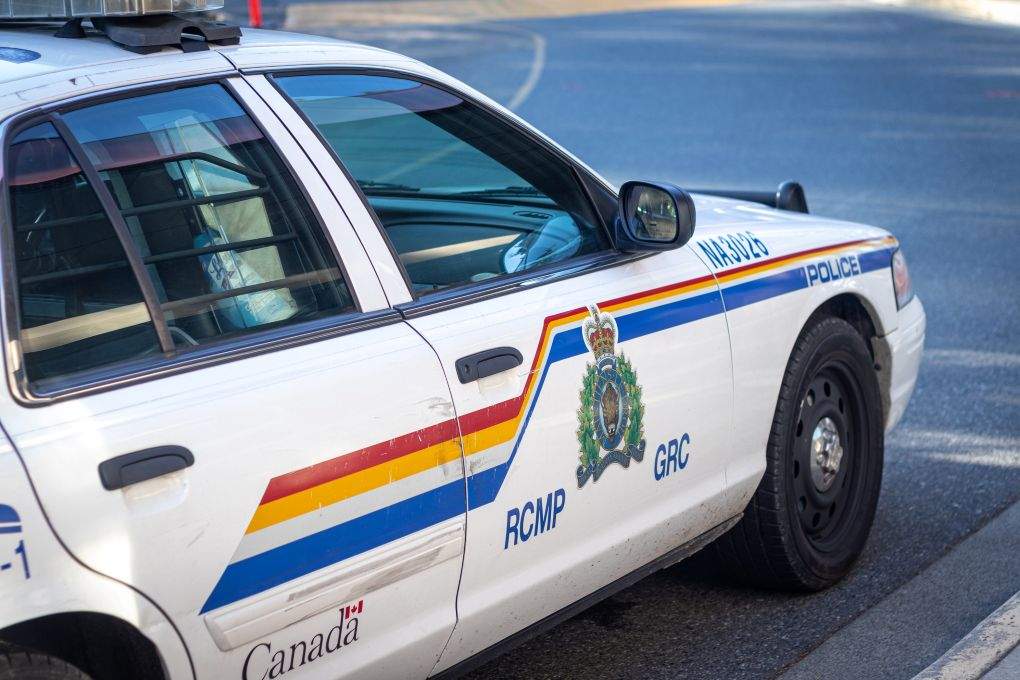
The headlights of the cruiser cut through the damp New Brunswick fog, painting the trunks of old maples in a pale, transient yellow. It was close to ten o'clock at night when the call came in. Routine dispatch language hides a multitude of horrors. Sudden deaths on Knowlesville Road.
In a small rural community like Carleton County, a quiet road is rarely just a stretch of asphalt. It is a living map of shared history, where neighbors know the exact rattle of each other's pickup trucks and the distinct smoke rising from woodstoves through long, bitter winters. But on a quiet August night, that familiarity offered no shield.
When the Royal Canadian Mounted Police stepped inside the residence, they found two men. One was sixty-eight. The other was seventy-four. Both belonged to the local community, bound by decades of living close to the soil and the quiet rhythms of western New Brunswick. They knew each other. They had shared geography, local gossip, and perhaps the slow, grinding isolation that often accompanies aging in rural outposts.
They did not survive the night.
Days later, the official statements arrived with clinical detachment. The major crime unit investigated. Autopsies were ordered. Police confirmed what local whispers already feared: an apparent murder-suicide. One man's life was taken by homicide; the other's ended by a self-inflicted wound, a firearm recovered from the silent floorboards. No charges would be laid. Case closed, legally speaking.
Public safety officials offered immediate reassurance that there was no broader threat to the community. That phrase, meant to soothe collective anxiety, often achieves the opposite. It draws a hard, artificial boundary around a tragedy, turning a human catastrophe into an isolated anomaly.
Yet tragedies like the one in Knowlesville do not happen in a vacuum. They accumulate.
Consider what happens to a person living deep in the rural expanse as the years pile up. Mobility slows. Social circles shrink to the dimensions of a kitchen table. The modern world accelerates, leaving behind rural seniors who built their identities on self-reliance. Asking for help feels like an admission of failure. In these forgotten corners, mental health resources are scarce, hidden behind miles of highway and a deep-seated cultural resistance to vulnerability.
Men of that generation were taught to absorb pressure like dry timber. They do not talk about despair. They endure it until the grain splits.
When the police tape came down and the flashing cruiser lights vanished from Knowlesville Road, the valley returned to its usual green silence. But the questions remained, hanging heavy in the humid summer air. How many quiet struggles go unnoticed behind freshly painted screen doors? How many neighbors drift toward the edge while the rest of us assume that no news is good news?
The official report closes the file with a firearm and two quiet names reduced to ages: sixty-eight and seventy-four. Behind those cold digits are lives that deserved a softer ending than the dark geometry of a summer night. The road outside remains empty, winding through the hills, carrying the weight of what was left unsaid.