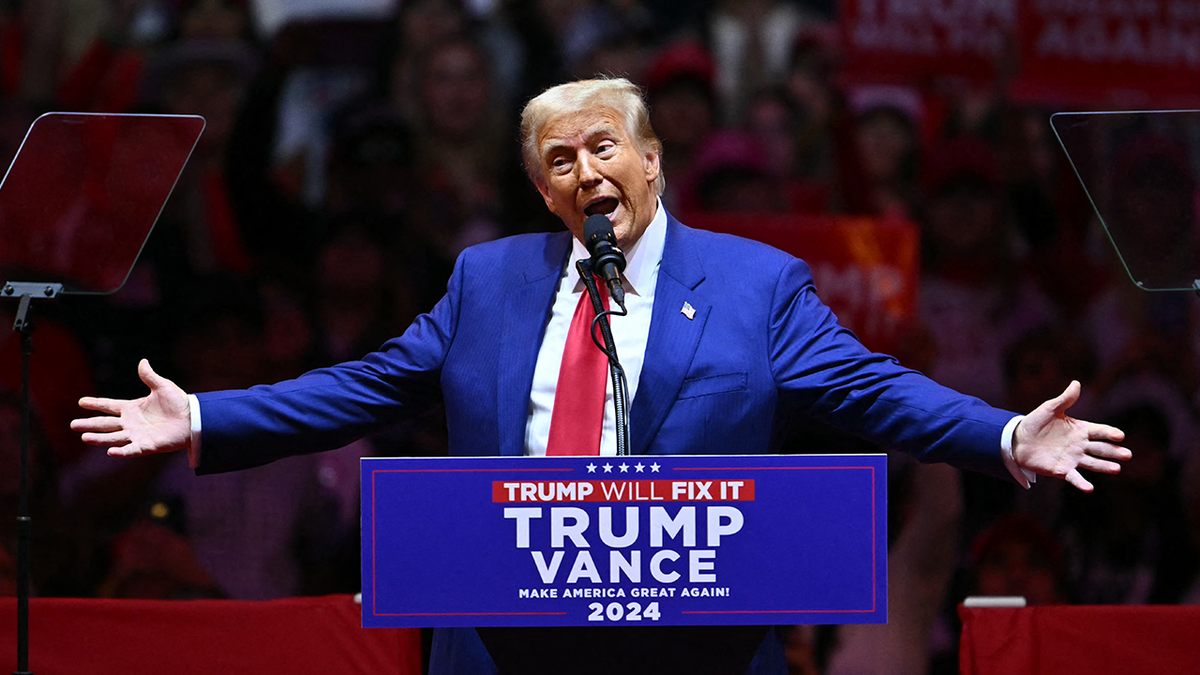
Donald Trump just hit the pause button on the Middle East. He’s suspending the bombing campaign against Iranian-linked targets for exactly fourteen days. This isn't just a breather. It’s a high-stakes gamble on a ten-point proposal coming straight out of Tehran. Critics are already screaming about weakness, while supporters call it a masterstroke of "America First" diplomacy.
You’ve seen this movie before, but the script changed. Usually, we get more sanctions or louder threats. This time, the White House says the Iranian framework is "workable." That’s a massive shift in tone. It means the administration sees enough meat on the bone to stop the jets from flying, at least until the two-week timer runs out.
Why the two week pause changes everything
Stopping a kinetic operation mid-stream is a logistical nightmare and a political minefield. Trump’s decision to halt the strikes sends a clear signal to the Iranian leadership. He’s telling them the door is open, but the clock is ticking. This isn't a permanent ceasefire. It’s a "show me what you’ve got" window.
Military leaders usually hate these gaps. They argue it lets the enemy regroup, move assets, and harden defenses. But the White House is betting that the diplomatic upside outweighs the tactical risk. If the ten-point plan actually addresses regional security and nuclear enrichment, the savings in American lives and tax dollars could be huge.
Don't think for a second the surveillance has stopped. Intelligence assets are likely working overtime right now to see if Iran uses this break to move missiles or if they’re actually sitting down to talk. It's a test of sincerity.
The ten point proposal under the microscope
What’s actually in this document? While the full text hasn't been leaked to the public yet, insiders suggest it covers more than just nuclear centrifuges. It’s about regional influence. Tehran is reportedly offering concessions on proxy funding in exchange for specific sanction relief.
Security guarantees and regional stability
One of the biggest hurdles has always been what Iran does outside its own borders. The proposal allegedly includes a framework for reducing friction in shipping lanes. We’re talking about the Strait of Hormuz. If Trump can secure a deal that keeps oil flowing without a constant carrier strike group presence, he wins a major economic point at home.
Nuclear limits vs economic breathing room
Iran wants its money back. They’re suffocating under current restrictions. The ten-point plan likely trades a cap on uranium enrichment for the release of frozen assets. This is the part that makes hawks in Washington nervous. They remember the 2015 deal and think this is just a sequel. But the Trump team insists their version has "teeth" that the previous administration lacked.
Reactions from the global stage
Israel and Saudi Arabia aren't exactly cheering yet. Their security depends on Iranian containment. If they feel this two-week pause gives Tehran a chance to breathe, expect some very loud phone calls to the Oval Office.
European allies are cautiously optimistic. They’ve wanted a diplomatic off-ramp for years. For them, any day without a new explosion in the Middle East is a good day. They’re looking to see if this "workable" plan can be turned into a treaty that actually lasts longer than a news cycle.
The risk of the two week deadline
Fourteen days isn't much time. In diplomacy, that’s a blink of an eye. Setting such a short deadline is a classic pressure tactic. It prevents the "endless talk" scenario that usually plagues these negotiations.
If Iran doesn't produce a concrete move within this window, the bombs start falling again. Trump has made that very clear. He’s not interested in a year-long summit in Geneva. He wants results he can tweet about by next Tuesday.
What happens if it fails
If the fourteen days pass and nothing changes, the escalation will be twice as hard. The administration will feel the need to prove the pause wasn't a sign of hesitation. We could see an expansion of the target list. This makes the stakes for the Iranian negotiators incredibly high. They’re looking at a "carrot" that turns back into a very large "stick" on day fifteen.
How this affects the average American
You might wonder why this matters if you’re sitting in Ohio or Florida. It’s about the price of gas and the risk of another "forever war." Stability in the Middle East usually means lower volatility in energy markets.
More importantly, it’s a test of the "dealmaker" brand. If Trump pulls this off, he proves that his brand of direct, unconventional diplomacy can do what the State Department's career staff couldn't. If it blows up, he’ll have to own the fallout.
What you should watch for next
Keep your eyes on the movement of naval assets in the region. If the U.S. starts pulling ships back, the talks are going well. If they move more assets into striking range during the "pause," the White House doesn't trust the Iranians at all.
Also, look for statements from the Iranian Supreme Leader. The ten-point plan is one thing, but if the hardliners in Tehran start trashing it, the deal is dead before it starts. The internal politics of Iran are just as messy as ours.
Don't wait for a formal press release to know where this is going. Watch the oil prices and the rhetoric from regional players like Benjamin Netanyahu. They’ll be the first to signal if this "workable" plan is a breakthrough or just a well-timed stall tactic. If you’re tracking your portfolio, pay close attention to defense stocks and energy futures over these next two weeks. The volatility is going to be intense. Stay sharp and don't take any "official" statement at face value until the fourteen-day clock hits zero.