A Quiet Room in Tehran
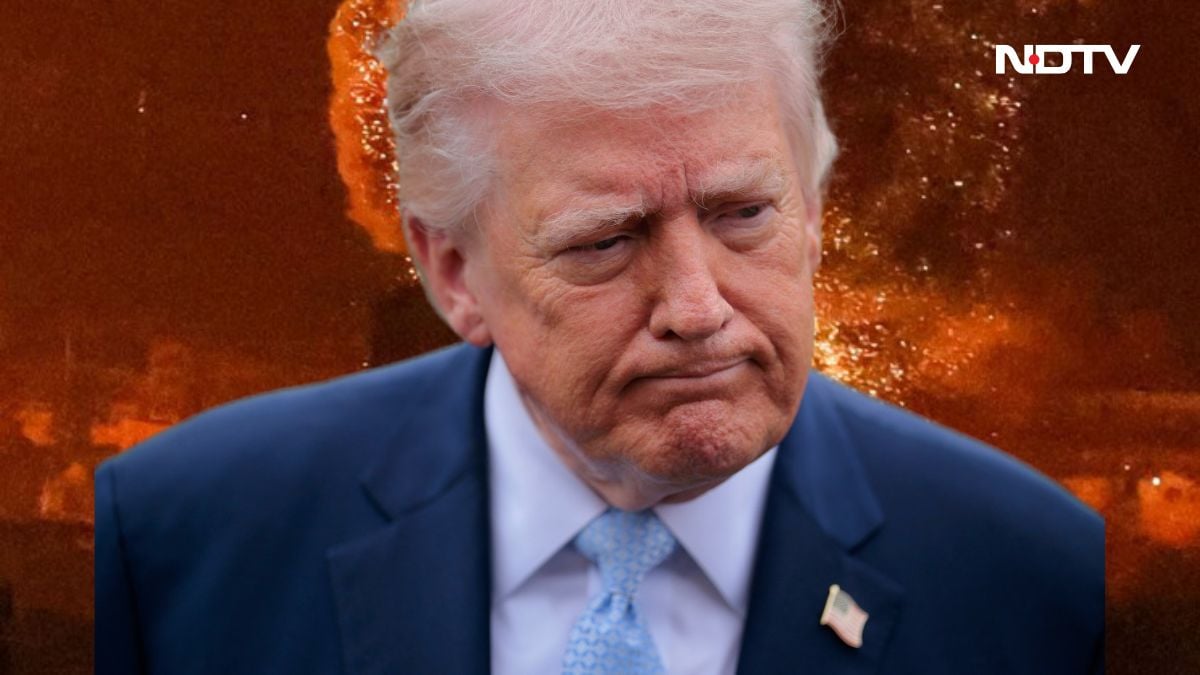
Farish sat in a dimly lit living room in the northern hills of Tehran, his phone glowing like a tiny beacon in the dark. Outside, the summer night hummed with the usual dull roar of traffic, but inside, the atmosphere felt brittle. On his screen, translated headlines flashed in stark white text: President Donald Trump had declared the nuclear agreement effectively dead, warning of severe retaliation with the words, "Going to hit them hard tonight."
To diplomats in Washington or Geneva, these words were strategic rhetoric—a high-stakes game of geopolitical chess played out in twenty-four-hour news cycles. But to Farish, a thirty-two-year-old software developer with a young family, those six words meant something far more tangible. They meant the price of milk rising by morning. They meant the sudden, crushing anxiety of wondering whether his savings would vanish into hyperinflation before the weekend.
Politics at the highest level rarely feels human to those reading about it in distant capitals. The news reports focus on sanctions, enrichment percentages, centrifuges, and carrier strike groups. They treat nations as monoliths and leaders as sole actors. Yet, behind every doctrine, decree, and warning lies a millions-strong reality of ordinary people waiting to see how the geopolitical weather will break.
The Mirage of Certainty
Consider how international agreements actually function. We like to think of treaties as heavy iron locks forged to hold peace in place. In truth, they are more like gentled handshakes over an open flame.
When the Joint Comprehensive Plan of Action was struck years prior, it was hailed by its architects as a triumph of diplomacy over conflict. The logic was straight: limit nuclear capabilities in exchange for lifting economic isolation. For a brief moment, young Iranians saw a bridge forming toward the rest of the world. Foreign businesses scouted locations in Tehran, local tech startups flourished, and international travel suddenly felt accessible.
Then the political winds shifted.
When the United States unilaterally withdrew from the deal and reinstated maximum pressure sanctions, the bridge didn't just close—it collapsed overnight. The shift proved that international policy is rarely static; it is a living, unpredictable organism driven by the changing priorities of leadership.
When a head of state declares a deal finished and threatens immediate action, the reverberations do not remain confined to military war rooms. They ripple out into global energy markets, alter foreign policy alliances across Europe and Asia, and instantly reshuffle national defense priorities.
The Invisible Stakes
Why does a threat issued on a podium reverberate so instantly across the globe?
It comes down to predictability. Markets hate uncertainty even more than bad news. The moment the threat of military action enters the room, the global economic engine stutters.
- Oil Prices: Crude oil futures jump instantly as traders price in the potential risk of supply disruptions in the Strait of Hormuz, a narrow waterway through which a significant portion of the world's petroleum passes.
- Currency Volatility: Local currencies in volatile regions plummet against the US dollar as citizens rush to secure assets that hold value.
- Shipping Routes: Commercial maritime companies reevaluate shipping lanes, driving up freight costs and insurance rates worldwide.
For the average consumer living thousands of miles away from the Middle East, this geopolitical tension manifests at the gas pump, on shipping invoices, and in the rising cost of imported goods. For those living directly under the shadow of the rhetoric, the stakes are exponentially higher. It is the difference between stability and complete upheaval.
Imagine waking up every morning to check the news, not to see the sports scores or the local weather, but to determine whether the fragile economy keeping your family afloat is about to dissolve.
The Mechanics of Escalate and Recede
Geopolitical posturing often follows a distinct, repeating pattern—a rhythm of escalation followed by strategic pauses.
First comes the declaration: a public signal designed to project unyielding strength and set a firm boundary. This serves two audiences simultaneously. Internally, it rallies a political base and projects decisive leadership. Externally, it creates immediate pressure on the opposing side, forcing them to calculate the cost of non-compliance.
Next comes the reaction phase: regional allies release carefully calibrated statements, regional rivals issue counter-warnings, and international bodies call for restraint.
Finally comes the silent recalculation. Behind closed doors, intelligence agencies and military advisors evaluate real-time data to determine whether the threat achieved its desired leverage or if it backed both parties into a corner where conflict becomes unavoidable.
This cycle is dangerous precisely because miscalculation is so easy. A misunderstood message, a rogue action by a proxy group, or an overly aggressive counter-response can transform posturing into real-world conflict in a matter of hours.
Beyond the Headlines
The rhetoric of conflict is designed to sound definitive. Phrases like "hitting hard" or "declaring it over" leave little room for nuance. They reduce complex multi-decade regional dynamics into binary outcomes: victory or defeat, total peace or total war.
The reality on the ground is never binary. It is a slow, complex grind where diplomacy operates in the shadows long after public declarations suggest it has failed. Even when official deals are declared dead, back-channel communications often remain open out of sheer necessity. Nations cannot simply ignore each other's existence, no matter how hostile the official stance becomes.
Back in Tehran, Farish turned off his phone and walked over to the window. The city below was dark, quiet, and completely indifferent to the storm of headlines swirling across the globe. He looked at his sleeping daughter in the adjacent room, wondering what kind of world she would wake up to in the morning.
The rhetoric of powerful men will always dominate the airwaves, commanding the attention of millions. But the true story of geopolitical conflict is never written in press conferences or social media posts. It is written in the quiet living rooms of ordinary citizens who must adapt, endure, and rebuild every time the world above them decides to shift.