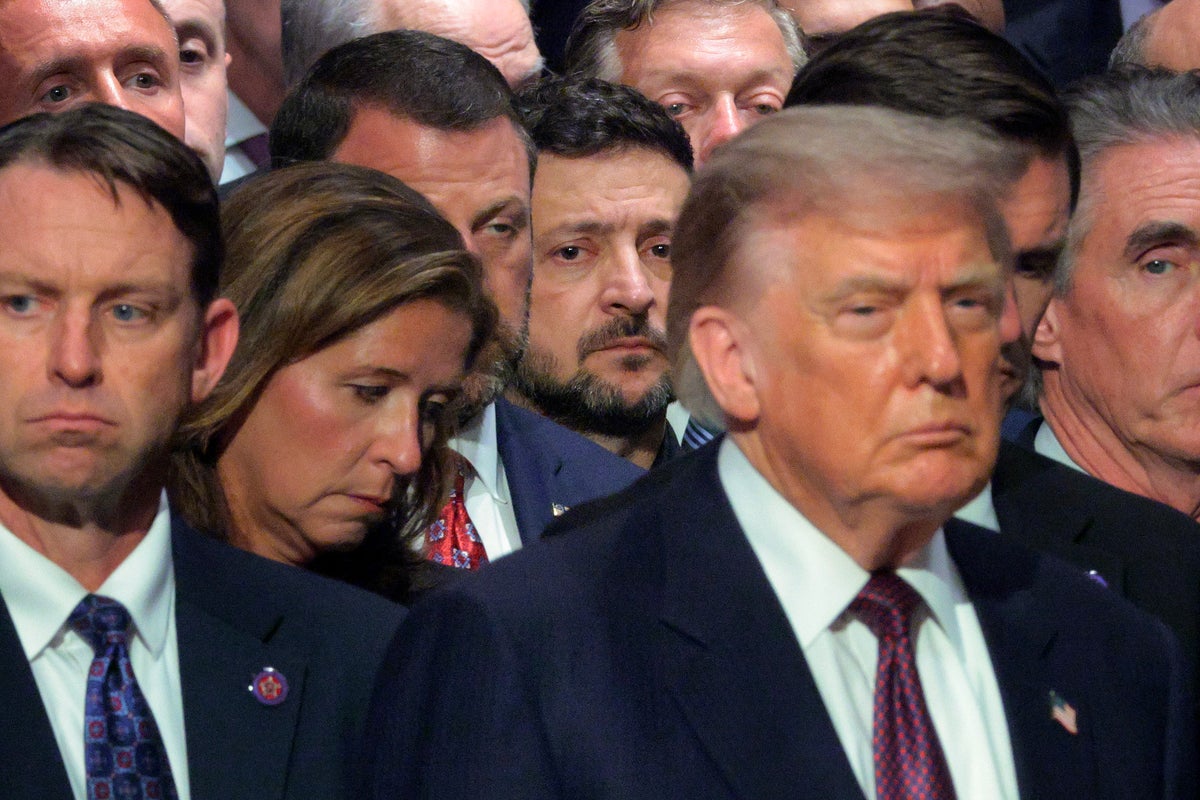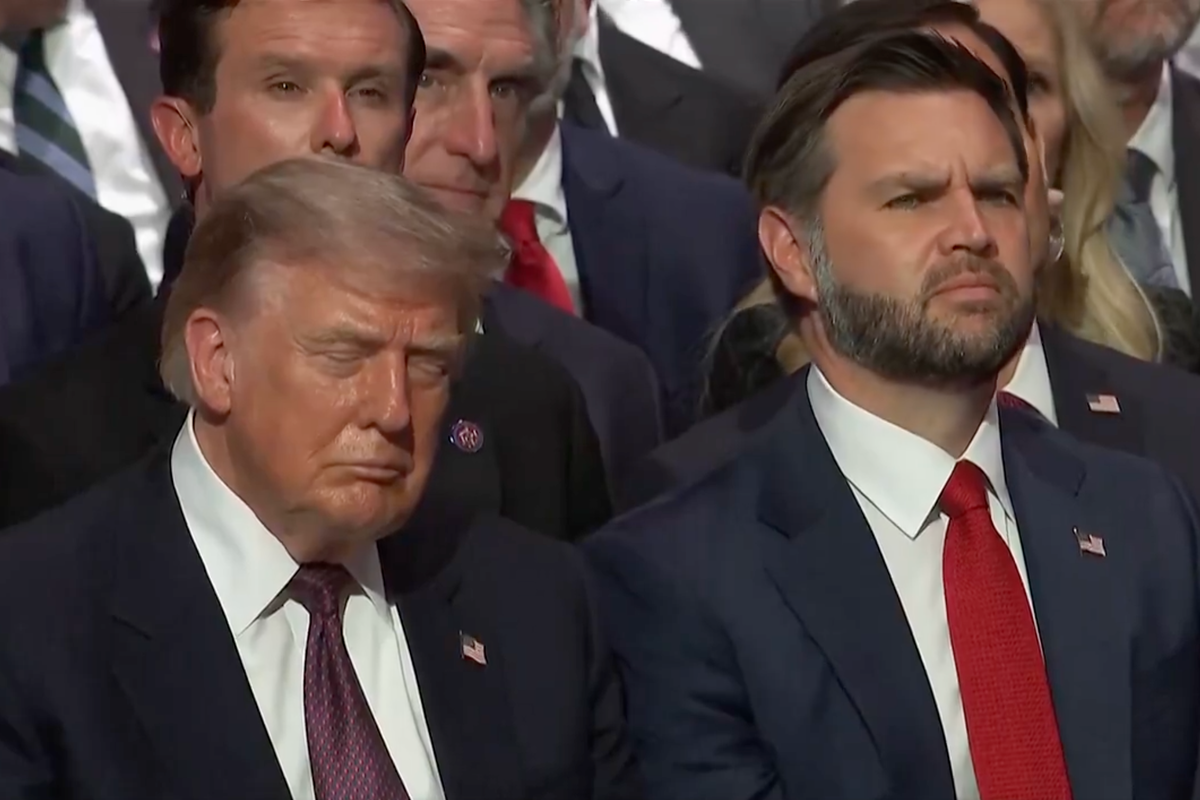
The standard narrative surrounding high-stakes diplomatic summits reads like a bad script from a political drama. Leaders fly into foreign capitals, handshakes flash across television screens, and pundits breathlessly analyze whether a breakthrough is near. When figures like Volodymyr Zelensky or Benjamin Netanyahu sit across from Donald Trump while conflicts grind on in Ukraine and the Middle East, the lazy consensus assumes these meetings are about brokering an immediate end to bloodshed.
That perspective is dangerously naive. Meanwhile, you can find other events here: Why The Ex CIA Protest Against Trump Is Complete Hypocrisy.
Diplomatic theater does not stop wars. Frequently, it extends them.
Every time cameras capture international leaders huddled in negotiation rooms, millions of people assume peace is just a compromise away. History proves the exact opposite. Wars do not end because opposing sides sit down and realize they share common ground. They end because one side runs out of resources, political will, or military capability to continue, or because the cost of fighting drastically outweighs any potential gain. When outside actors or domestic politicians push premature diplomatic interventions into active, high-intensity conflicts, they offer a lifeline to entities that would otherwise be forced to capitulate or fundamentally alter their strategies. To see the complete picture, we recommend the detailed analysis by USA Today.
Let us dismantle the core falsehood driving mainstream coverage of these summits: the belief that dialogue is inherently virtuous during an active military campaign.
Talks without absolute leverage are nothing more than tactical pauses. In modern warfare, a tactical pause translates directly to rearmament, logistical reorganization, and strategic repositioning. When the media frames every diplomatic handshake as a step toward stability, they obscure the brutal mechanics of how conflicts actually conclude.
The Illusion of Leverage in Contemporary Geopolitics
Consider the structural reality of the wars in Eastern Europe and West Asia. The conventional wisdom treats these conflicts as diplomatic puzzles waiting for the right mediator to fit the pieces together. This is a fundamental misunderstanding of statecraft.
In Ukraine, the confrontation is an industrial-scale war of attrition. Victory requires mass, logistics, and sustained economic endurance. In the broader Middle East, involving actors connected to Iran, the conflict is a multi-layered campaign of asymmetric deterrence and regional proxy management. In neither scenario does a photo-op change the underlying calculus of survival for the belligerents.
When political leaders seek out high-profile meetings during active hostilities, they are rarely chasing immediate peace. They are managing domestic optics, securing future funding streams, or trying to lock in advantageous territorial baselines before the next brutal phase of combat begins.
The media loves to treat these summits as turning points. They are almost never turning points. They are advertisements.
I have watched state-level strategists and defense contractors manipulate public desire for peace to manufacture political consensus for prolonged military postures. When you understand that modern statecraft relies on perpetual crisis management rather than absolute resolution, the behavior of every major player suddenly makes sense.
Why Premature Diplomacy Backfires
Imagine a scenario where two heavily armed adversaries are locked in a zero-sum struggle. One side is slowly wearing down under economic and military pressure. If external powers step in prematurely to force a diplomatic framework without altering the underlying military balance, what happens?
The struggling side catches its breath. Supply lines stabilize. New defensive fortifications go up.
Premature peace talks act as an institutionalized cooling period that favors the side that was losing momentum. By signaling an eagerness for a negotiated settlement, democratic nations advertise their fatigue. Autocrats and hardline actors watch this fatigue closely. They interpret a desperate push for talks not as a gesture of goodwill, but as a confession of weakness.
Weakness invites escalation. It never deters it.
The public wants to believe that talking is always better than fighting. In interpersonal relationships, that rule usually holds true. In geopolitical strategy, applying domestic conflict-resolution norms to totalitarian regimes or existential military campaigns is a catastrophic category error.
Dismantling the People Also Ask Fallacy
If you search for coverage on these diplomatic summits, you inevitably run into predictable queries designed to reassure the anxious reader.
Can international mediation stop modern wars?
The short answer is no, not while both sides still believe they can achieve their core objectives through force.
Mediation only works when a stalemate is so absolute and painful that both combatants face domestic collapse if they continue. Until that threshold is crossed, any mediator acting as a peace broker is essentially running an errand boy service for actors who are simply using the table to buy time for the battlefield.
Why do leaders keep meeting if negotiations fail?
Because political survival demands motion. A leader cannot look domestic constituencies in the eye and admit that the only path forward is a long, grinding war of attrition requiring immense sacrifice with no neat diplomatic off-ramp. Optics demand optimism. Reality demands ammunition.
The Uncomfortable Truth About Conflict Resolution
We must abandon the fairy tale that wars conclude because people talk sensibly to one another. Conflicts conclude when the math of violence changes.
When critics point out that high-level summits often yield zero tangible results, they usually blame the specific personalities involved. They argue that if only a different leader sat in the chair, or if a more clever compromise were drafted, the gates of peace would swing open. This is a comforting delusion. It protects people from confronting the grim mechanics of power politics.
The wars involving Ukraine and Iran do not persist because of a lack of creative diplomacy. They persist because the core security dilemmas of the participants remain fundamentally incompatible. No speech, no communique, and no joint press conference can bridge a gap where one side's survival requires the defeat of the other.
Stop looking to photo-ops for salvation. Watch the supply chains, watch the domestic economic data, and watch the casualty metrics. That is where the real war is being fought, and that is where its outcome will be decided, long after the cameras have been turned off and the diplomats have flown home.